
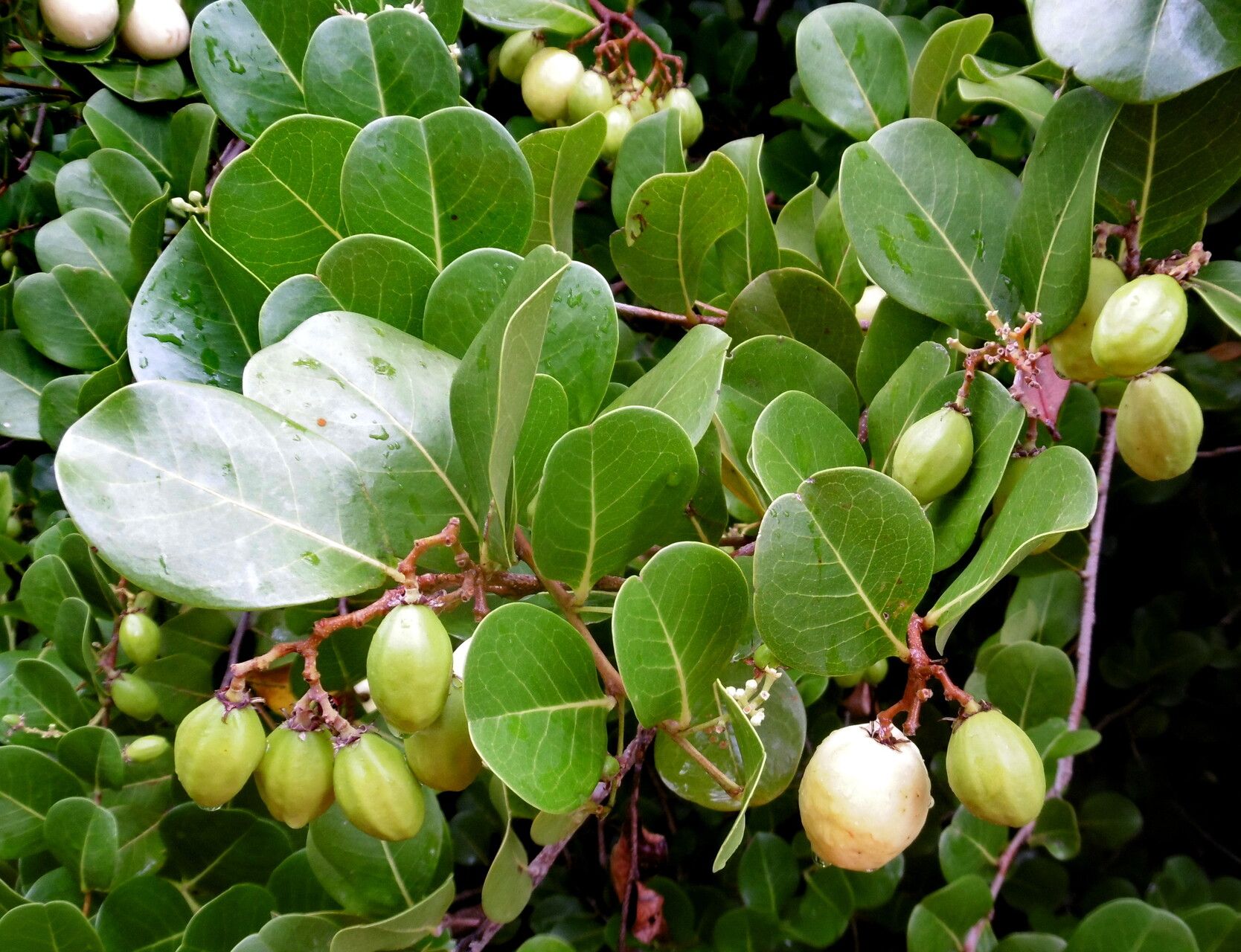
Cocoplum Propagation: Unlock the Secrets of This Tropical Delight
The cocoplum (Chrysobalanus icaco), with its glossy evergreen foliage and sweet, tropical fruits, is a captivating addition to any warm-climate garden. This resilient shrub, native to coastal regions worldwide, offers not only visual appeal but also attracts wildlife and provides a delicious, unique harvest.
While easily obtainable from nurseries, propagating your own cocoplum can be a rewarding experience. Let’s delve into the secrets of successfully propagating this tropical delight.
Two Paths to Success: Seeds vs. Cuttings
Cocoplum offers two primary methods of propagation:
1. Seed Propagation: A Journey of Patience
- Harvesting the Seeds: The journey begins with ripe cocoplum fruits. Extract the seeds, clean off any remaining fruit pulp, and allow them to air dry for a day or two.
- Breaking Dormancy (Optional): Cocoplum seeds have a hard outer shell and can benefit from scarification to speed up germination. Gently nick the seed coat with a file or sandpaper.
- Sowing the Seeds: Plant the seeds about an inch deep in a well-draining seed starting mix. Keep the soil consistently moist but not waterlogged.
- Embrace the Wait: Germination can take anywhere from a few weeks to several months. Be patient and continue providing warmth and moisture.
2. Cutting Propagation: A Faster Route to Success
- Timing is Key: Take cuttings in spring or early summer from healthy, actively growing branches.
- Choosing the Right Cuttings: Select semi-hardwood cuttings, about 4-6 inches long, with several leaf nodes.
- Preparing the Cuttings: Remove the lower leaves, leaving 2-3 at the top. Dip the cut end in rooting hormone to encourage root development (optional but recommended).
- Planting the Cuttings: Plant them in a well-draining potting mix, burying at least two leaf nodes.
- Creating a Humid Environment: Cover the cuttings with a plastic bag or humidity dome to retain moisture and promote rooting.
- Rooting Time: Cuttings should root within 6-8 weeks. You’ll know they’re ready when you feel resistance when tugging gently on the cutting.
Tips for Success and Beyond
- Well-Draining Soil: Cocoplums thrive in well-drained soil. Amend heavy clay soils with compost or other organic matter.
- Sunlight Requirements: Choose a sunny location for your cocoplum. While it tolerates some shade, full sun promotes optimal growth and fruit production.
- Watering Needs: Water regularly, especially during the first year after planting. Allow the soil to dry slightly between waterings.
- Fertilization: Fertilize your cocoplum in spring with a balanced fertilizer to encourage healthy growth.
- Pruning: Prune lightly after fruiting to maintain shape and encourage bushier growth.
Reaping the Rewards:
Whether you choose the patience of seeds or the efficiency of cuttings, successfully propagating your own cocoplum is truly rewarding. Soon, you’ll be enjoying the beauty of this tropical gem in your own garden, complete with the satisfaction of knowing you helped it thrive.