
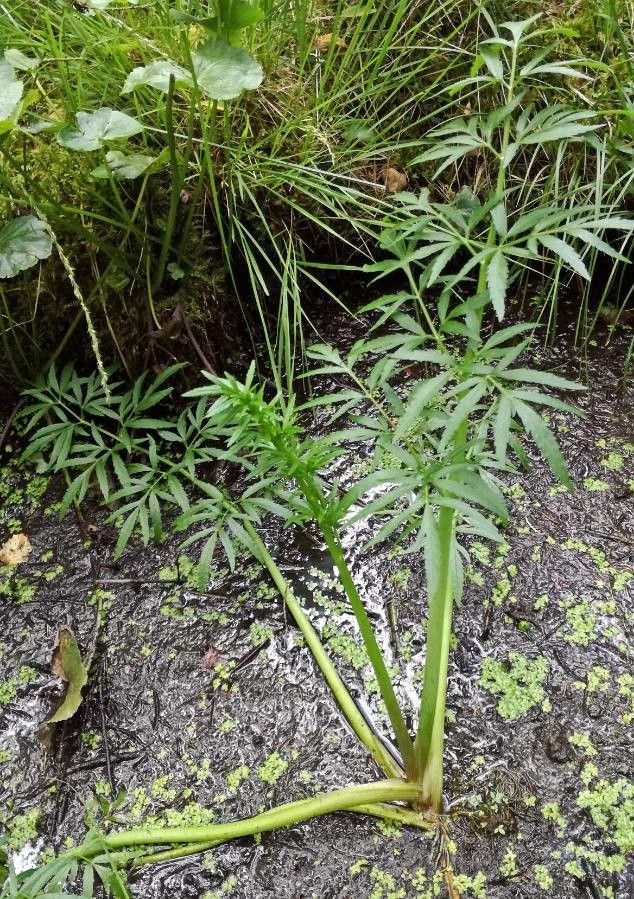
Don’t Try This at Home: The Deadly Truth About Propagating Water Hemlock
The world of gardening is full of fascinating plants, but some are best admired from a safe distance. One such plant is Cicuta virosa, more commonly known as water hemlock. While its delicate white flower clusters might seem innocent, this plant harbors a dark secret – it’s one of the most poisonous plants found in North America.
Why the Danger?
Water hemlock contains a potent toxin called cicutoxin, which works by disrupting the central nervous system. Even the smallest ingestion can be fatal, causing seizures, paralysis, and respiratory failure. There’s no known antidote, and sadly, many cases of accidental poisoning occur each year.
So, What Does Propagation Have to Do With It?
You might be wondering why we’re talking about propagation in the context of such a dangerous plant. The answer is simple: we’re not.
Propagation is the act of growing new plants from existing ones, typically through methods like cuttings, seeds, or division.
And when it comes to water hemlock, propagation is not something any responsible gardener would ever consider.
It’s important to understand that even handling water hemlock can be dangerous. The toxin is present in all parts of the plant, including its roots, leaves, and stems. Direct contact can cause skin irritation, and even the smell of the plant can trigger nausea in some people.
Identification is Key
The best way to avoid encountering this deadly plant is to know how to identify it. Water hemlock can easily be mistaken for other, harmless plants, especially in its early stages. Here are some key features to look out for:
- Stems: Hollow, with purple spots or streaks.
- Leaves: Finely divided, resembling those of a carrot or parsnip.
- Flowers: Small, white, and arranged in clusters like an umbrella.
- Roots: Thick, fleshy, and often have a parsley-like aroma (be cautious, as this is a potential indicator of toxicity).
If you suspect you’ve encountered water hemlock:
- Do not touch it!
- Keep children and pets away!
- Contact a medical professional or your local poison control center immediately.
Conclusion:
This blog post serves as a cautionary tale. While gardening and plant propagation are wonderful hobbies, it’s essential to approach them with knowledge and caution. Never attempt to propagate water hemlock. Instead, educate yourself, be aware of its potential dangers, and spread the word. Remember, safety should always come first, especially when dealing with potentially deadly plants.