
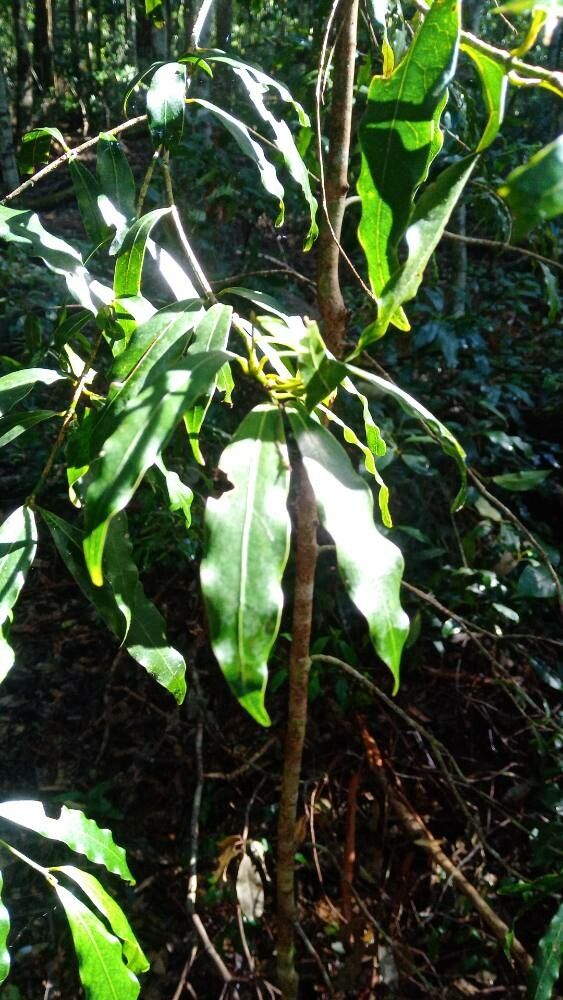
Unveiling the Secrets of Propagating Oliver’s Sassafras (Cinnamomum oliveri)
Cinnamomum oliveri, more commonly known as Oliver’s Sassafras, is a majestic Australian native boasting glossy green leaves, delicate cream flowers, and a delightful cinnamon-like aroma. While admiring this tree in its natural habitat is a treat, wouldn’t it be wonderful to welcome its captivating presence into your own backyard?
Propagating Oliver’s Sassafras can feel like unlocking a botanical secret, but fear not – it’s an achievable feat. This comprehensive guide will equip you with the knowledge and confidence to cultivate this magnificent tree from scratch.
Two Paths to Propagation:
Oliver’s Sassafras can be propagated through two primary methods: seed propagation and cutting propagation. Each technique has its nuances and success rates, so let’s delve deeper into each.
1. Seed Propagation – A Test of Patience:
Propagating from seed is like embarking on a botanical adventure. It requires patience, as germination can be a slow and somewhat unpredictable process with Oliver’s Sassafras.
Here’s a step-by-step guide:
- Seed Collection: Source ripe fruit from a mature tree during late autumn or early winter. Look for fleshy, dark purple to black berries. Extract the seeds and clean off any remaining fruit pulp.
- Stratification (Optional but Recommended): Mimic nature’s cycle by placing the seeds in moist vermiculite or sand inside a sealed bag in the refrigerator for 4-6 weeks. This cold treatment can help break dormancy and improve germination rates.
- Sowing: In spring, sow the seeds in a well-draining seed-raising mix, covering them lightly with a thin layer of soil. Maintain consistent moisture and a warm environment (around 20-25°C).
- Patience is Key: Germination can take anywhere from a few weeks to several months. Don’t lose hope if you don’t see sprouts immediately!
2. Cutting Propagation – A Faster Route to Success:
For a quicker and often more successful approach, consider propagating Oliver’s Sassafras from cuttings. This method involves encouraging a section of stem to develop roots.
Follow these steps:
- Timing is Crucial: Take semi-hardwood cuttings in late spring or early summer when the new growth has begun to harden slightly.
- Cutting Selection: Select healthy, vigorous stems from the current year’s growth. Each cutting should be about 10-15cm long with several leaf nodes.
- Prepare the Cuttings: Remove leaves from the lower half of the cutting and make a clean cut below a node. Dip the cut end in rooting hormone (optional but recommended) to enhance root development.
- Potting Up: Plant the cuttings in a well-draining potting mix, ensuring the leaf nodes below the soil are buried.
- Creating the Ideal Environment: Maintain a humid environment by covering the pot with a clear plastic bag or placing it in a propagator. Provide indirect sunlight and keep the soil consistently moist but not waterlogged.
Nurturing Your New Saplings:
Regardless of your chosen propagation method, once roots develop and new growth emerges, it’s time to gradually acclimatize your seedlings or cuttings to outdoor conditions. Slowly introduce them to increasing amounts of sunlight and wind over a week or two. Once they are hardened off, you can transplant them into larger pots or directly into the ground in a well-prepared location with dappled shade and good drainage.
Reap the Rewards of Your Labor:
While propagating Oliver’s Sassafras might require some patience and dedication, the rewards are truly magnificent. Witnessing a sapling flourish under your care, eventually gracing your landscape with its beauty and fragrance, is an immensely rewarding experience.
So why wait? Embark on this botanical journey, and let the majestic Oliver’s Sassafras become a cherished part of your green haven.