
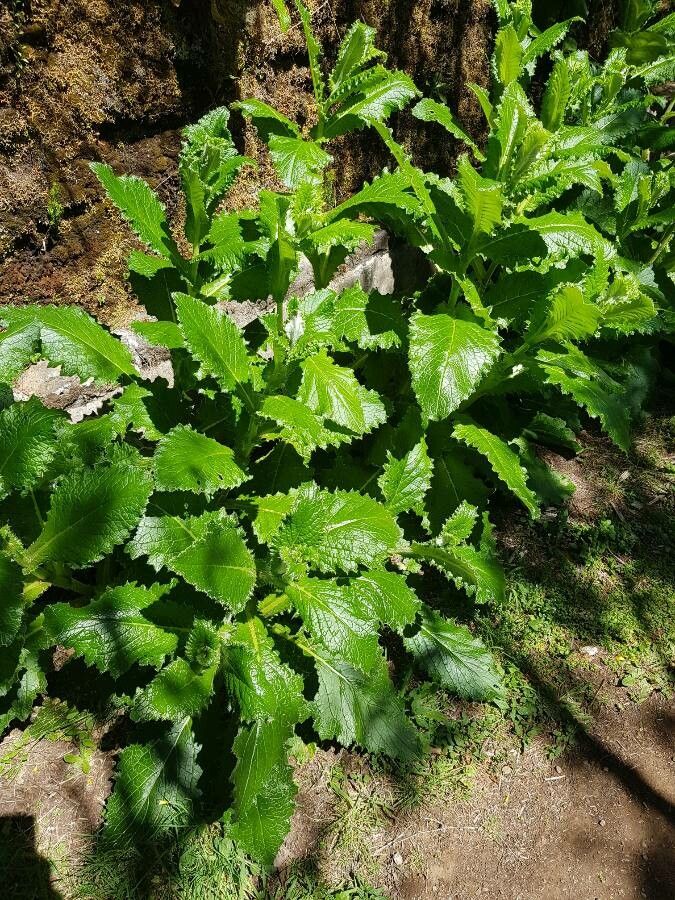
Spreading the Love (and Seeds): How to Propagate Broad-Leaved Thistle
The name might make you cringe, but the Broad-Leaved Thistle (Cirsium latifolium) is a stunning plant with a unique charm. This prickly beauty boasts vibrant purple flowers and striking foliage, attracting pollinators and adding visual interest to any garden. And the best part? It’s surprisingly easy to propagate, allowing you to share this wonder with friends and fill your own garden with more of its captivating presence.
From Seed to Flower: The Journey of a Thistle
For those eager to start from scratch, propagation from seed is the way to go. Here’s a step-by-step guide:
- Collecting Seeds: Patience is key! Wait until the thistle flowers have fully dried and the seed heads turn a pale brown. Carefully cut off the heads and let them dry completely in a paper bag.
- Sowing Time: The best time to sow Broad-Leaved Thistle seeds is in the spring, either directly outdoors or in seed trays. If starting indoors, use a well-draining seed mix, lightly cover the seeds with soil, and keep the tray moist.
- Germination: Expect germination in 1-3 weeks. Once seedlings have a few true leaves, they’re ready to be transplanted outdoors. Space them about 1-2 feet apart.
Sharing the Bounty: Vegetative Propagation
For those who prefer a quicker path to more thistles, vegetative propagation is a great option. This method uses plant parts, like stem cuttings, to create new plants:
- Stem Cuttings: Take cuttings in late spring or early summer from the tips of healthy stems. Cut just below a leaf node and remove any lower leaves. Dip the cut end in rooting hormone (optional) and place the cutting in a pot with well-draining soil, keeping the soil moist.
Caring for Your New Thistles
Whether from seed or cutting, your new Broad-Leaved Thistles require some basic care:
- Sunlight: Provide full sun or partial shade.
- Soil: Ensure your soil is well-drained and rich in organic matter.
- Watering: Water regularly, especially when young, allowing the soil to dry slightly between waterings.
Tips for Success
- Pest and Disease Control: Keep an eye out for pests and diseases that can affect thistles. Aphids are a common problem, and you can use a strong spray of water to dislodge them.
- Space Them Out: Thistles need a good amount of space to grow. Give them plenty of room to prevent overcrowding and promote healthy growth.
- Deadheading: Remove spent flower heads to encourage continued blooming and prevent self-seeding if you don’t want more thistles popping up.
A Thistle’s True Beauty
While the name might suggest a nuisance, the Broad-Leaved Thistle is a beautiful and beneficial plant. Its nectar-rich flowers attract pollinators like bees and butterflies, adding vibrant color and life to your garden. Its leaves also provide food and shelter for various wildlife.
So, embrace the spiky charm of this magnificent plant and enjoy the joy of propagating your very own little patch of Broad-Leaved Thistles. You’ll be amazed at how easily these plants multiply, sharing beauty and wonder wherever they take root.