
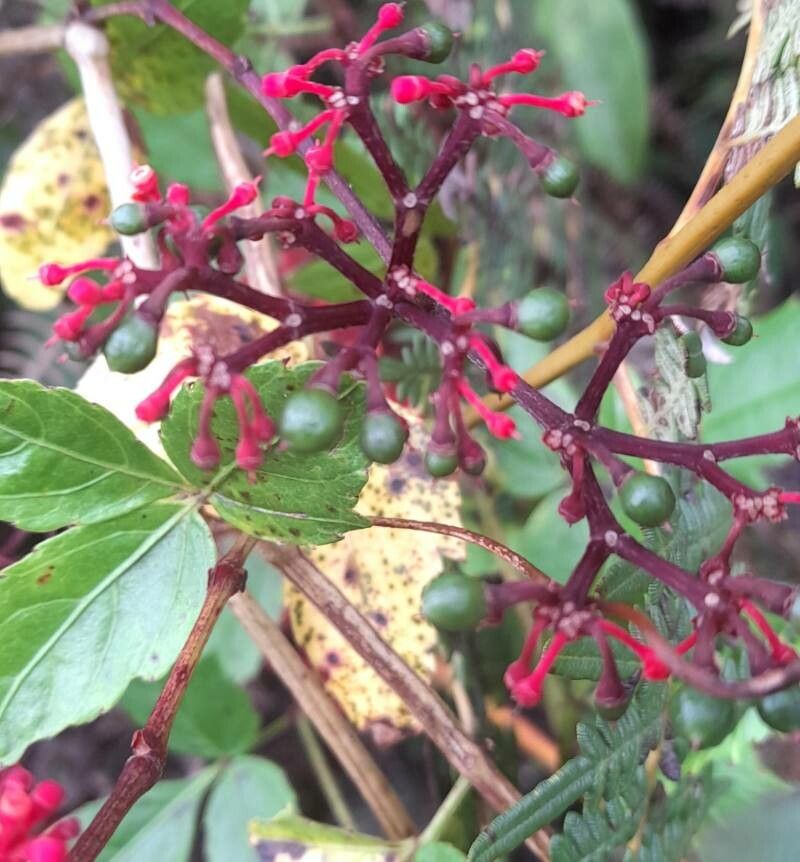
Unleashing the Vine: Easy Propagation Methods for Your Cissus Erosa
The Cissus erosa, also known as the Ivy grape or the Marine ivy, is a vigorous and versatile climber that can add a touch of the wild to your indoor jungle. With its glossy, textured leaves and cascading growth habit, it’s no wonder that plant parents are eager to multiply their collection. Luckily, propagating Cissus erosa is surprisingly straightforward, even for beginners. Let’s explore the two most effective methods:
1. Stem Cuttings: The Classic Approach
Stem cuttings are the most popular and reliable way to propagate Cissus erosa. This method involves taking a section of healthy stem and encouraging it to develop roots. Here’s how:
What you’ll need:
- Sharp, clean pruning shears or scissors: Cleanliness is crucial to prevent the spread of diseases.
- A healthy Cissus erosa plant: Choose a stem that’s firm, not too old or young, and ideally has new growth.
- Rooting hormone (optional, but recommended): This helps speed up the rooting process.
- A small pot or container: Choose one with drainage holes.
- Well-draining potting mix: A mix suitable for succulents or cacti works well.
- Water: Use filtered or rainwater if possible.
Steps:
- Take your cutting: Cut a 4-6 inch section of stem just below a leaf node (the bump where a leaf emerges). Remove the leaves from the bottom inch or two of the cutting.
- Apply rooting hormone (optional): Dip the cut end of the stem in rooting hormone powder or gel.
- Plant the cutting: Make a small hole in the potting mix and gently insert the cutting, burying the nodes you cleared. Gently firm the soil around it.
- Water thoroughly: Water the cutting well, ensuring the soil is moist but not soggy.
- Provide indirect light: Place the cutting in a brightly lit spot, but avoid direct sunlight.
- Maintain humidity: Cover the pot with a plastic bag or use a humidity dome to create a warm, humid environment.
- Patience is key: It may take 4-6 weeks for roots to develop. You’ll know your cutting has rooted when you see new growth.
2. Layering: Encouraging Roots While Still Attached
Layering is a less common but equally effective method, particularly useful if you want to propagate a long stem or have limited space.
What you’ll need:
- All the items listed for stem cuttings.
- A healthy, long stem on your Cissus erosa.
Steps:
- Choose a stem: Select a long, flexible stem that can reach the potting mix.
- Prepare the stem: Make a small wound or scrape on the underside of the stem where it will touch the soil. This encourages root development.
- Anchor the stem: Bury the wounded section of the stem in the pot filled with your chosen potting mix. Use a small stone or a landscape pin to keep it secure.
- Water regularly: Keep the soil consistently moist but not waterlogged.
- Wait for roots: It will take several weeks for roots to form at the layered section.
- Separate the new plant: Once roots have developed and you see new growth, carefully cut the layered stem from the mother plant.
Tips for Success:
- Choose healthy, vigorous stems for propagation.
- Provide bright, indirect light and maintain a warm temperature.
- Use a well-draining potting mix to prevent root rot.
- Be patient! Propagation takes time, so don’t be discouraged if you don’t see roots immediately.
Propagating your Cissus erosa is a rewarding experience that allows you to expand your plant collection while gaining a deeper appreciation for the wonders of plant reproduction. By following these simple steps, you’ll be well on your way to creating a lush and thriving indoor jungle!