
Unleash Your Inner Plant Parent: Mastering Cissus Quadrangularis Propagation
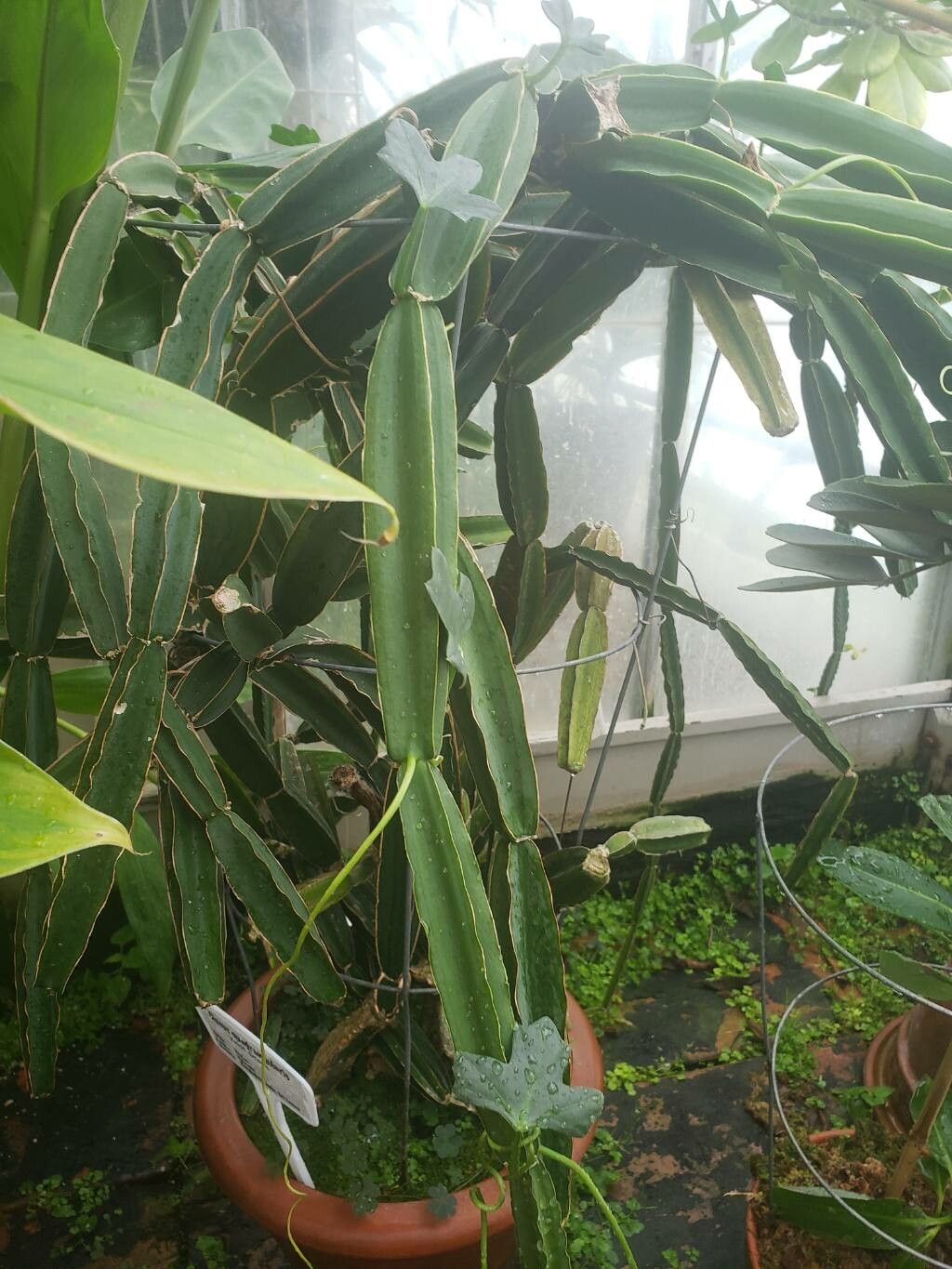
The Cissus quadrangularis, also known as Veld Grape or Devil’s Backbone, isn’t just a mouthful to say—it’s a fascinating succulent vine with cascading stems and unique, angular foliage. While its drought tolerance and low-maintenance needs already make it a winner, the real magic begins when you realize how ridiculously easy it is to propagate. That’s right, this plant practically begs to be multiplied!
So, whether you’re looking to expand your plant family, share the joy with friends, or simply want to flex your green thumb, read on for a step-by-step guide to Cissus quadrangularis propagation:
Two Roads to Root: Stem Cuttings vs. Seeds
While both stem cuttings and seeds can be used for propagation, stem cuttings are the undisputed champion when it comes to ease and speed.
1. The Champion: Propagating Cissus Quadrangularis from Stem Cuttings
Timing is Everything: While you can technically propagate from cuttings any time of year, you’ll have the highest success rate during the plant’s active growing season—spring and summer.
Tools of the Trade: You won’t need a fancy arsenal. Simply gather:
- Sharp, clean pruning shears or scissors
- Small pots (2-4 inches in diameter)
- Well-draining potting mix (cactus or succulent mix works great!)
- Optional: Rooting hormone (powder or gel form)
Making the Cut:
- Choose a healthy stem and make a cut just below a node (the bump where leaves emerge), ensuring your cutting is at least 3-4 inches long. Remove any leaves from the bottom inch or two of the stem.
Let the Healing Begin: Allow the cut end of your stem to callous over for a day or two. This reduces the chance of rot.
Planting Time:
- Fill your pots with the well-draining mix and moisten it slightly.
- Dip the calloused end of your cuttings in rooting hormone (optional, but helpful).
- Make a small hole in the potting mix and gently insert the cutting, burying the nodes. Firm the soil around the base.
Patience, Young Padawan: Place your potted cuttings in a warm, bright location, but out of direct sunlight. Keep the soil consistently moist but not soggy.
- Rooty Tooty Fresh and Fruity: In a few weeks, you should start to see new growth, a sign that roots have developed. Congratulations, you’ve officially propagated your Cissus quadrangularis!
2. The Underdog: Propagating Cissus Quadrangularis from Seeds
While less common, propagating from seed can be a fun challenge. However, keep in mind that it requires patience, as germination can be slow and inconsistent.
Seeds of Success: Source your seeds from a reputable supplier.
Sowing the Seeds: Sow seeds in a well-draining seed starting mix and lightly cover them. Keep the mix consistently moist and in a warm, bright location.
- The Waiting Game: Germination can take several weeks to months. Be patient and don’t give up!
A Few Parting Tips:
Cissus quadrangularis prefers bright, indirect light but can tolerate some shade.
Allow the soil to dry out slightly between waterings. Avoid overwatering, which can lead to root rot.
- Fertilize your plants during the growing season with a balanced, diluted fertilizer.
There you have it! With these tips, you’re well on your way to becoming a Cissus quadrangularis propagation pro. So, grab some cuttings, channel your inner plant whisperer, and enjoy the rewards of growing your own verdant oasis!