
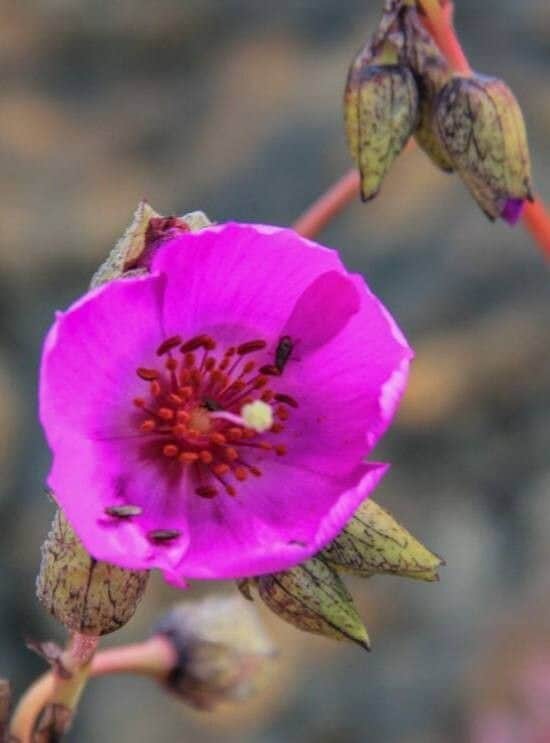
Blooming Marvels: Multiply Your Cistanthe Grandiflora with These Easy Propagation Techniques!
Cistanthe grandiflora, also known as the rock purslane, is a sight to behold. This eye-catching succulent boasts vibrant, papery flowers that erupt in a profusion of color, instantly brightening any landscape. If you’re lucky enough to have one gracing your garden, you’ve probably wondered how to get more of these beauties. The answer lies in propagation!
Luckily, Cistanthe grandiflora is relatively easy to propagate, meaning you can expand your flower power without breaking the bank (or your back). Here’s a closer look at the two most successful methods for bringing more of these blooming marvels to life:
1. Seed Starting: From Tiny Specks to Vibrant Blooms:
- Timing is Everything: Begin seed starting in late winter or early spring. This gives your seedlings a head start and allows them to establish themselves before the summer heat hits.
- Sowing the Seeds: Use a seed starting mix that drains well. Sprinkle the fine seeds over the surface, pressing them in gently. Don’t bury them deep, as they need light to germinate.
- Warmth and Moisture: Maintain a consistently warm temperature (around 70-75°F) and keep the soil lightly moist using a spray bottle to avoid disturbing the tiny seeds.
- First Signs of Life: You’ll see germination within 1-3 weeks. Once the seedlings have a few sets of true leaves, thin them out to give the strongest ones space to grow.
- Transplant Time: When the danger of frost has passed, harden off your seedlings gradually by introducing them to outdoor conditions for a week or two. Afterward, they are ready for their permanent spot in the garden!
2. Stem Cuttings: Cloning Your Favorite Blooms:
- Choose the Right Cuttings: In late spring or early summer, select healthy, non-flowering stems about 3-4 inches long. Make a clean cut just below a leaf node (the bump where a leaf grows from).
- Let Them Heal: Allow the cut end of the stem to callus over for a day or two. This helps prevent rot when planted.
- Prepare the Planting Medium: Use a well-draining potting mix. You can dip the cut end in rooting hormone powder to encourage faster root development, though it’s not mandatory.
- Plant and Protect: Make a small hole in the potting mix and gently insert the cutting. Firm the soil around it and water lightly. To maintain humidity, consider covering the pot with a plastic bag or using a humidity dome.
- Rooting Success: Within a few weeks, the cuttings should develop roots. You can gently tug on the cutting – resistance means roots have formed!
- Transplanting Time: Once the cuttings are established, gradually acclimate them to outdoor conditions before planting them in their permanent location.
Tips for Propagation Success:
- Light is Key: Both seedlings and cuttings thrive in bright, indirect light. Avoid placing them in direct sunlight, which can scorch the delicate foliage.
- Watering Wisely: Cistanthe grandiflora is drought-tolerant and susceptible to root rot. Water only when the soil is completely dry.
- Patience is a Virtue: Propagation takes time. Don’t be discouraged if you don’t see results immediately. Keep providing the proper care and your patience will be rewarded with an abundance of stunning Cistanthe grandiflora!
By following these simple techniques, you can propagate your very own Cistanthe grandiflora and transform your garden into a vibrant tapestry of color. Happy propagating!