
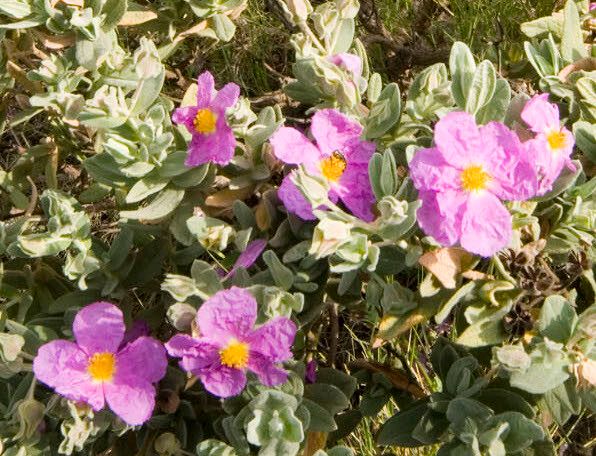
Unlocking the Secrets of Cistus Albidus Propagation: From Seed to Bloom
Cistus albidus, also known as the grey-leaved cistus or rock rose, is a Mediterranean gem that brings an explosion of delicate, papery blooms to the garden. But did you know that this sun-loving shrub is surprisingly easy to propagate? Whether you’re a seasoned gardener or just starting, this guide will equip you with the knowledge to multiply your Cistus albidus and paint your garden with its captivating charm.
Method 1: Seed Propagation – A Journey of Patience and Reward
Propagating Cistus albidus from seed is a rewarding experience, allowing you to witness the entire life cycle of this resilient plant. Here’s how:
- Seed Collection: Collect mature seed capsules from your existing Cistus albidus in late summer or early fall. These capsules are small, round, and turn brown when ready.
- Seed Preparation: Gently crush the capsules to release the tiny, dark seeds. It’s best to sow these seeds fresh, as their viability decreases with time.
- Sowing: Use a well-draining seed starting mix and sprinkle the seeds on the surface. Don’t bury them, as they need light to germinate.
- Creating the Right Environment: Place the seed tray in a bright location, but out of direct sunlight. Keep the soil consistently moist but not waterlogged.
- Germination Time: Germination can be erratic, taking anywhere from a few weeks to a couple of months. Be patient and don’t give up!
- Transplanting: Once the seedlings develop a few sets of true leaves and are large enough to handle, transplant them into individual pots filled with a well-draining potting mix.
Method 2: Semi-Hardwood Cuttings – For Faster Results
Semi-hardwood cuttings offer a quicker route to new Cistus albidus plants if you’re looking for faster results.
- Timing is Key: The ideal time for taking semi-hardwood cuttings is in late summer or early fall when the plant’s growth is partially mature.
- Selecting Cuttings: Choose healthy, non-flowering stems that have started to harden but are still flexible. Each cutting should be around 4-6 inches long.
- Preparing the Cuttings: Remove the lower leaves from the cutting, leaving only a few at the top. Dip the cut end in rooting hormone powder to encourage root development.
- Potting Up: Plant the cuttings in a pot filled with a mix of peat moss and perlite or a seed starting mix. Make sure the cutting is inserted deep enough for stability.
- Encouraging Root Growth: Cover the pot with a clear plastic bag to create a humid environment. Place the pot in a bright location, out of direct sunlight.
- Rooting Success: It takes about 4-8 weeks for the cuttings to develop roots. You’ll know they’re successful when you see new growth on the cuttings.
General Tips for Cistus Albidus Propagation Success
- Well-Draining Soil: Cistus albidus thrives in well-draining soil and is susceptible to root rot in waterlogged conditions.
- Sunshine is Essential: These plants are sun-worshippers! Provide them with at least six hours of direct sunlight daily.
- Drought Tolerance: Once established, Cistus albidus is quite drought-tolerant, but regular watering will ensure optimal growth, especially during its first year.
Propagating Cistus albidus is a fulfilling endeavor that allows you to connect with the remarkable resilience of nature. So why not roll up your sleeves, try one of these methods, and welcome the beauty of this Mediterranean wonder into your garden!