
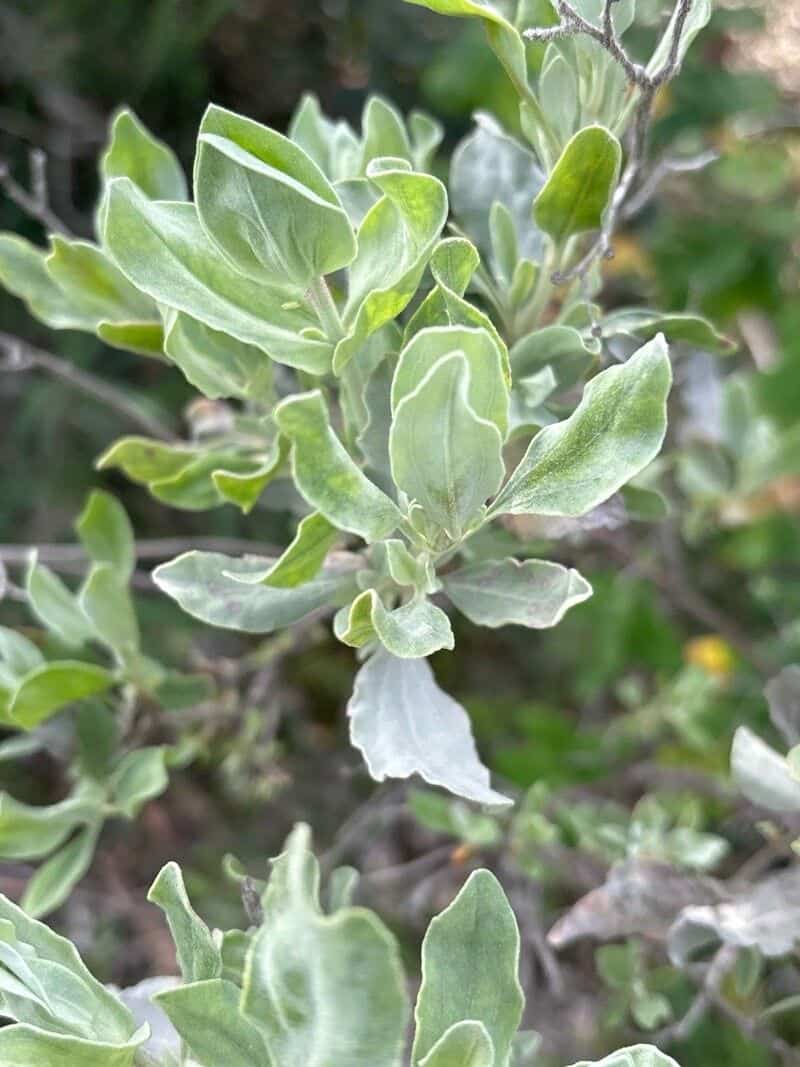
Taming the White Sageleaf Rockrose: Propagating Cistus atriplicifolius
The Cistus atriplicifolius, better known as the White Sageleaf Rockrose, is not your average garden variety shrub. With its stunning white, papery blooms and silvery-green foliage, this Mediterranean native exudes a unique, wild beauty. But don’t let its exotic appeal intimidate you! Propagating this resilient shrub is an achievable feat, even for beginner gardeners.
This guide delves into two primary methods for propagating Cistus atriplicifolius:
1. Seed Propagation:
- Timing is Key: Start your seeds indoors in late winter or early spring. This gives them a head start and allows for a longer growing season.
- Sowing the Seeds: Use a seed starting mix with good drainage. Sprinkle the seeds on the surface and lightly press them in.
- Warmth and Light: Cistus seeds thrive in warmth (around 70-75°F) and need plenty of light to germinate. A heat mat and a sunny windowsill or grow lights can provide the ideal conditions.
- Patience is a Virtue: Germination can take anywhere from a few weeks to a couple of months.
- Transplanting Time: Once your seedlings have developed a couple of sets of true leaves and the danger of frost has passed, harden them off gradually before transplanting them outdoors.
2. Semi-Hardwood Cuttings:
- The Right Time and Branch: Take your cuttings in late summer or early fall from healthy, non-flowering stems. Look for semi-hardwood cuttings – these are slightly firm but still flexible.
- Prepare Your Cuttings: Each cutting should be about 4-6 inches long. Make a clean cut just below a leaf node. Remove the lower leaves, leaving only a few at the top.
- Encourage Rooting: Dip the cut end in rooting hormone to boost your success rate.
- Potting and Care: Plant your cuttings in a well-draining potting mix, burying the bottom node. Water them in well and place them in a bright location, but out of direct sunlight.
- Creating a Humid Environment: Cover the pot with a plastic bag or use a propagator to retain moisture and create a humid environment that encourages rooting.
- The Waiting Game: Rooting can take several weeks. Check for root development by gently tugging on the cuttings. If you feel resistance, your cuttings are likely rooting.
- Transplanting Success: Once rooted, gradually acclimate your cuttings to outdoor conditions before transplanting them to their permanent locations.
Additional Tips for Success:
- Well-Drained Soil is Crucial: Cistus atriplicifolius hates soggy feet. Ensure good drainage in both your seed starting mix and your garden bed.
- Sun Worshipper: This sun-loving shrub needs at least 6 hours of direct sunlight a day.
- Drought Tolerant but Appreciates a Drink: Once established, Cistus atriplicifolius is quite drought tolerant. However, regular watering during its first year will help it establish a strong root system.
- Minimal Pruning Required: Cistus atriplicifolius naturally maintains a pleasing shape. Simply remove dead or diseased branches as needed.
Propagating Cistus atriplicifolius might require a little patience, but the reward of these eye-catching blooms and their delightful resinous scent is well worth the effort. So why not give it a try? You might surprise yourself with your green thumb!