
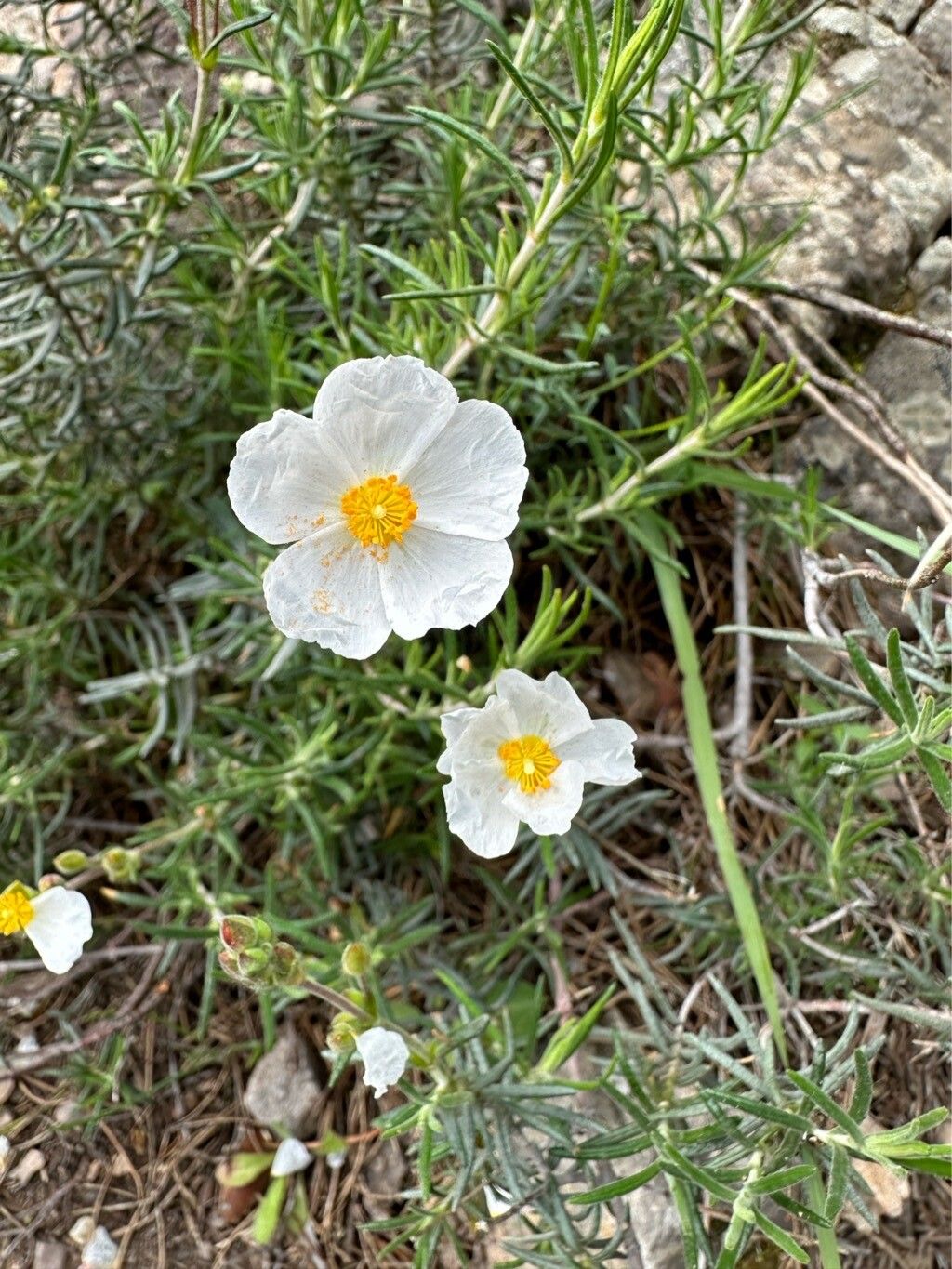
Sun-Kissed Success: How to Propagate Cistus Umbellatus (and Enjoy Its Beauty Forever)
Cistus umbellatus, also known as the Rock Rose or Gum Cistus, is a captivating Mediterranean shrub known for its vibrant pink blooms and aromatic foliage. Its resilience and easygoing nature make it a fantastic choice for gardens in sunny, well-drained conditions. But the best part? Propagating Cistus umbellatus from seed or cuttings is surprisingly simple, allowing you to enjoy these beautiful shrubs for years to come.
Starting with Seeds: A Journey From Humble Beginnings
If you’re patient and enjoy nurturing new life, starting Cistus umbellatus from seed is a rewarding experience. Here’s how to get started:
- Sowing Time: Spring is the ideal time for sowing Cistus seeds. Choose a sunny spot and prepare a seed tray or pot filled with well-draining seed-starting mix.
- Planting: Gently press the seeds onto the surface of the mix, as they need light to germinate. Cover the tray with a clear plastic dome or wrap to retain moisture and warmth.
- Germination: Keep the soil consistently moist (not soggy), and place your tray in a warm, bright location. Germination usually takes 2-3 weeks, but can vary depending on conditions.
- Thinning: Once seedlings emerge, thin them out to provide more space for healthy growth, leaving the strongest seedlings in the tray.
- Transplanting: Once seedlings are established, with a few true leaves, they can be transplanted to individual pots, still in a well-draining potting mix.
- Hardening Off: When the threat of frost has passed, gradually introduce your young Cistus plants to outdoor conditions over a week or two. This helps them adjust to direct sunlight and wind.
- Planting Outdoors: Once acclimated, plant your young Cistus in their permanent location in the garden, spacing them 1-2 feet apart.
Take a Cutting: A Quick and Easy Approach
If you’re looking for a faster way to propagate Cistus umbellatus, taking cuttings is the way to go. This method is particularly efficient for replicating existing plants with desired traits.
- Timing is Key: Take softwood cuttings in late spring or early summer, when new growth is readily available.
- Cutting Technique: Select healthy stems with new growth and use a sharp knife or shears to make a clean cut just below a node (the point where a leaf grows). Remove the lower leaves from the cutting.
- Rooting Hormone (Optional): Dip the cut end of the stem in rooting hormone to promote root development.
- Planting the Cuttings: Fill a pot with a well-draining potting mix, making a small hole in the center. Insert the cutting, ensuring at least one node is buried in the soil.
- Caring for Cuttings: Keep the potting mix consistently moist (not soggy) and cover the cutting pot with a plastic bag or dome to create a humid environment. Place the pot in a shady but bright spot.
- Roots and Transplanting: Within a few weeks, your Cistus cuttings should start to develop roots. Once they’re established, you can gently pull on the cutting to test their firmness. When the cutting offers resistance, it’s ready for transplanting to its permanent location in the garden.
Enjoy the Rewards of Propagation
Whether you opt for seeds or cuttings, propagating Cistus umbellatus is a rewarding experience. You’ll not only enjoy the beauty of these sun-kissed shrubs, but also gain a deeper understanding of their growth and resilience.
With a little patience and care, you can easily multiply your Cistus collection and share its charm with others. It’s a testament to the magic of propagation, transforming a single plant into a vibrant garden full of life and color.