
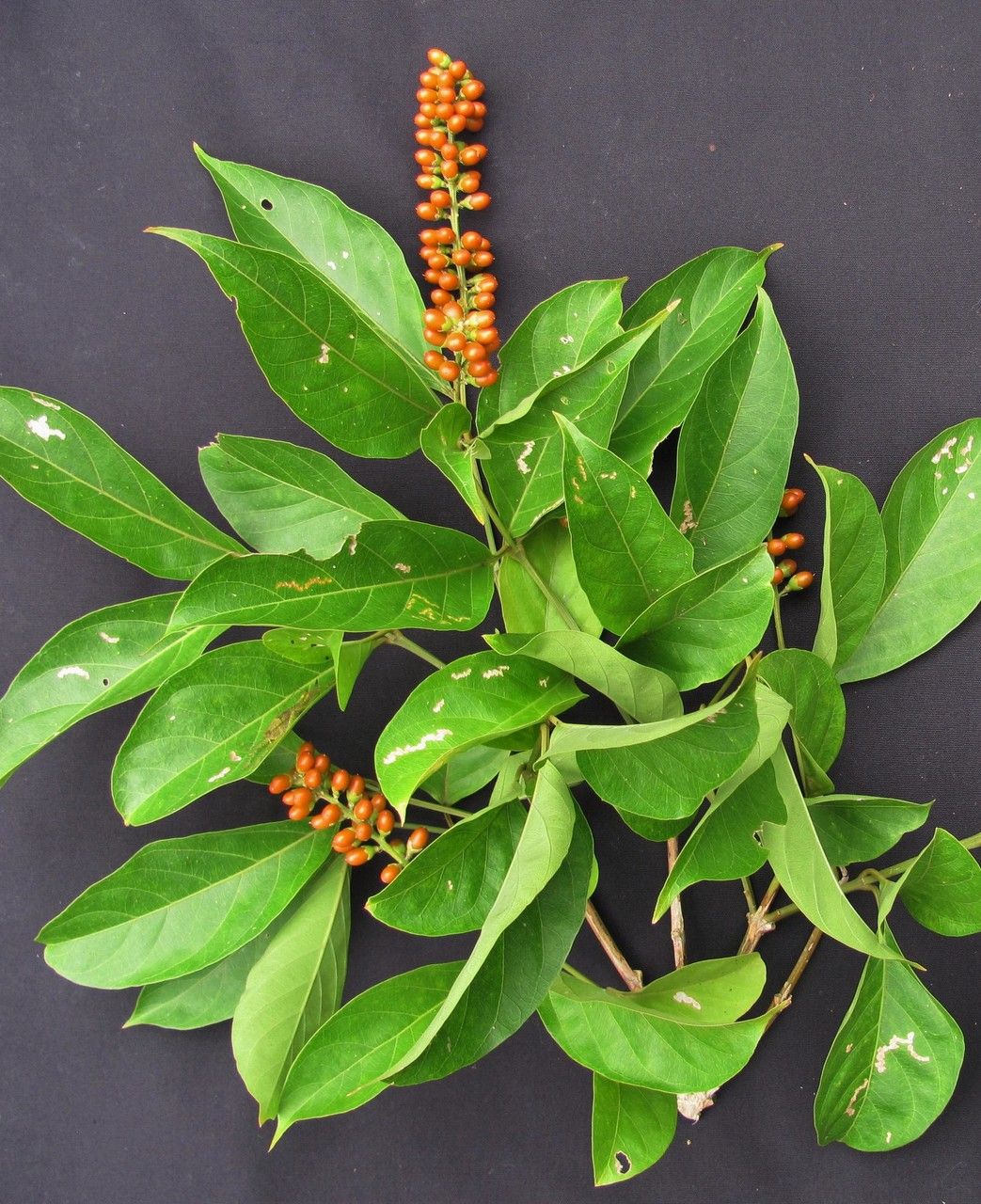
From Cutting to Canopy: Propagating Your Own Fiddlewood Tree
The Fiddlewood tree (Citharexylum cooperi) is a stunning addition to any garden, with its glossy foliage, fragrant flowers, and elegant, cascading branches. But what if you could enjoy this beauty without spending a fortune on a mature specimen? The answer lies in propagation – the art of creating new plants from existing ones.
This article will guide you through the process of propagating Fiddlewood trees, empowering you to grow your own beautiful specimens from the comfort of your own home.
The Power of Cuttings
Fiddlewood trees are easily propagated through semi-hardwood cuttings. This method involves taking cuttings from mature branches that have begun to harden, but are still flexible. Here’s how:
- Timing is Key: The best time to take cuttings is in late summer or early fall when the plant is actively growing.
- Selecting the Right Cuttings: Choose healthy, disease-free branches that have matured but are still flexible. The ideal size for cuttings is about 6-8 inches long.
- Making the Cut: With a sharp, clean knife or pruning shears, make a clean cut just below a leaf node (the point where a leaf grows from the stem).
- Preparing the Cuttings: Remove the leaves from the bottom 2-3 inches of the cutting. This area will be inserted into the rooting medium.
- Rooting Medium: Choose a well-draining rooting medium like a mix of perlite and peat moss, or a commercial rooting mix.
- Planting the Cuttings: Dip the cut end of the cutting in rooting hormone powder, which will encourage root growth. Insert the cutting into the rooting medium, making sure the leaves are above the soil line.
- Providing the Right Environment: Place the cuttings in a bright, indirect light environment. The ideal temperature for rooting is between 65-75 degrees Fahrenheit. Mist the cuttings regularly to maintain humidity.
- Patience is Key: It usually takes around 4-6 weeks for the cuttings to develop roots. You can gently tug on the cuttings after a few weeks to see if there is any resistance.
- Transplanting: Once the cuttings have rooted, gently remove them from the rooting medium and pot them into individual containers filled with well-draining potting soil.
Essential Tips for Success:
- Sterilization: Always sterilize your tools before making cuts to prevent the spread of diseases.
- Proper Watering: Keep the rooting medium consistently moist, but not soggy.
- Light and Airflow: Ensure good airflow around the cuttings to prevent fungal growth.
- Protection: Shield the cuttings from direct sunlight.
Propagation beyond Cuttings
Though cuttings are the most common method for propagating Fiddlewood trees, you can also try air layering. This involves stimulating root growth on a branch while it is still attached to the parent plant. This method is time-consuming but can be successful for larger branches.
Enjoy the Fruits of Your Labor
Once your Fiddlewood tree cuttings have rooted and grown into young plants, you can transplant them outdoors in a location that provides full sun to partial shade and well-draining soil. With proper care, your Fiddlewood tree will thrive and reward you with its beauty and fragrance for years to come.
Propagating your own Fiddlewood tree is not only economical but also incredibly rewarding. It’s an opportunity to connect with the plant world and create your own piece of nature’s beauty. So, gather your tools, choose your cutting, and embark on this exciting journey with us!