
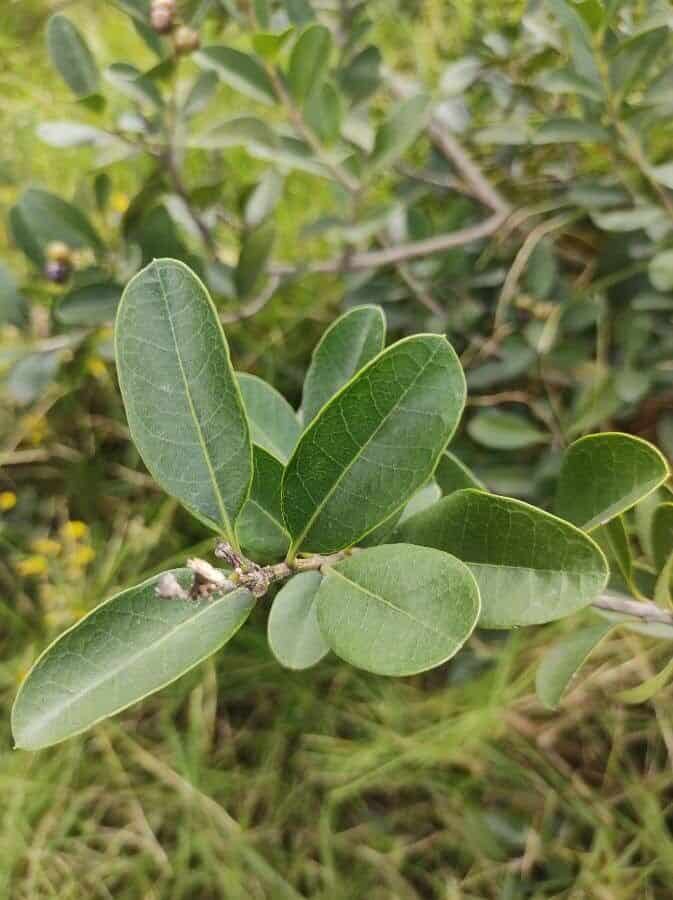
Fiddlewood Frenzy: Mastering the Art of Citharexylum Kunthianum Propagation
Citharexylum kunthianum, more commonly known as Fiddlewood, is a tropical beauty beloved for its glossy foliage, fragrant flowers, and ability to attract butterflies and hummingbirds. If you’re lucky enough to have one gracing your garden or home, you’re likely eager to share its charm. Cue propagation: the art of creating new plants from existing ones.
While Fiddlewood may seem intimidating at first, propagating this resilient plant is achievable even for beginners. Let’s delve into two tried-and-true methods to expand your Fiddlewood family:
1. Propagation from Cuttings:
This method reigns supreme for its simplicity and relatively quick results. Here’s the step-by-step breakdown:
- Timing is Key: Choose healthy, new growth in late spring or early summer when the plant is bursting with life.
- Making the Cut: Select a branch with at least 4-6 nodes (small bumps where leaves emerge). Using a sharp, sterilized pruning shear, cut a 4-6 inch section just below a node.
- Prepping the Cutting: Remove the leaves from the bottom half of the cutting to prevent rotting. If desired, dip the cut end in rooting hormone powder to encourage faster root development.
- Planting Time: Fill small pots with a well-draining potting mix. Make a hole in the center with a pencil and gently insert the cutting, ensuring the bottom nodes are buried. Water thoroughly.
- Creating a Humid Environment: Cover the pot with a clear plastic bag or a humidity dome to maintain moisture. Place the pot in a bright location with indirect sunlight.
- Patience is a Virtue: Rooting can take anywhere from 4 to 8 weeks. You’ll know it’s successful when you see new growth. Gradually acclimate the cutting to normal humidity by opening the bag slightly over a few days before removing it completely.
2. Propagation from Seeds:
While slightly more challenging, propagating Fiddlewood from seed offers a rewarding experience. Follow these steps for success:
- Seed Collection: Fiddlewood produces small berries containing seeds. Collect mature berries that have turned from green to dark purple or black.
- Seed Extraction: Gently crush the berries and separate the seeds from the pulp. Rinse the seeds thoroughly.
- Pre-treatment (Optional): Soaking the seeds in warm water for 24 hours can soften the outer shell and improve germination rates.
- Sowing the Seeds: Fill seed trays or small pots with a well-draining seed starting mix. Sow the seeds about ¼ inch deep and lightly cover them with the mix.
- Water Wisely: Mist the soil with a spray bottle to avoid dislodging the seeds. Maintain consistent moisture but avoid overwatering.
- Light and Warmth: Place the seed trays in a warm location with bright, indirect sunlight. Using a heat mat can accelerate germination.
- Germination Patience: Depending on the freshness of the seeds and environmental conditions, germination can take several weeks to a few months.
- Transplanting Time: Once the seedlings have developed a couple of sets of true leaves, they can be transplanted into individual pots.
Important Tips for Success:
- Sanitation is Crucial: Always sterilize your cutting tools and use fresh potting mix to prevent fungal diseases.
- Ideal Conditions: Fiddlewood thrives in warmth and humidity. Providing these conditions during propagation will greatly increase your chances of success.
- Don’t Give Up!: Even experienced gardeners face setbacks. Don’t lose hope if your first attempts aren’t successful. Keep experimenting and adjusting your approach.
Propagating your own Citharexylum kunthianum is a rewarding experience that allows you to multiply your collection and share the joy of this tropical marvel with others. Remember, patience and perseverance are key to unlocking the secrets of fiddlewood propagation. Happy growing!