
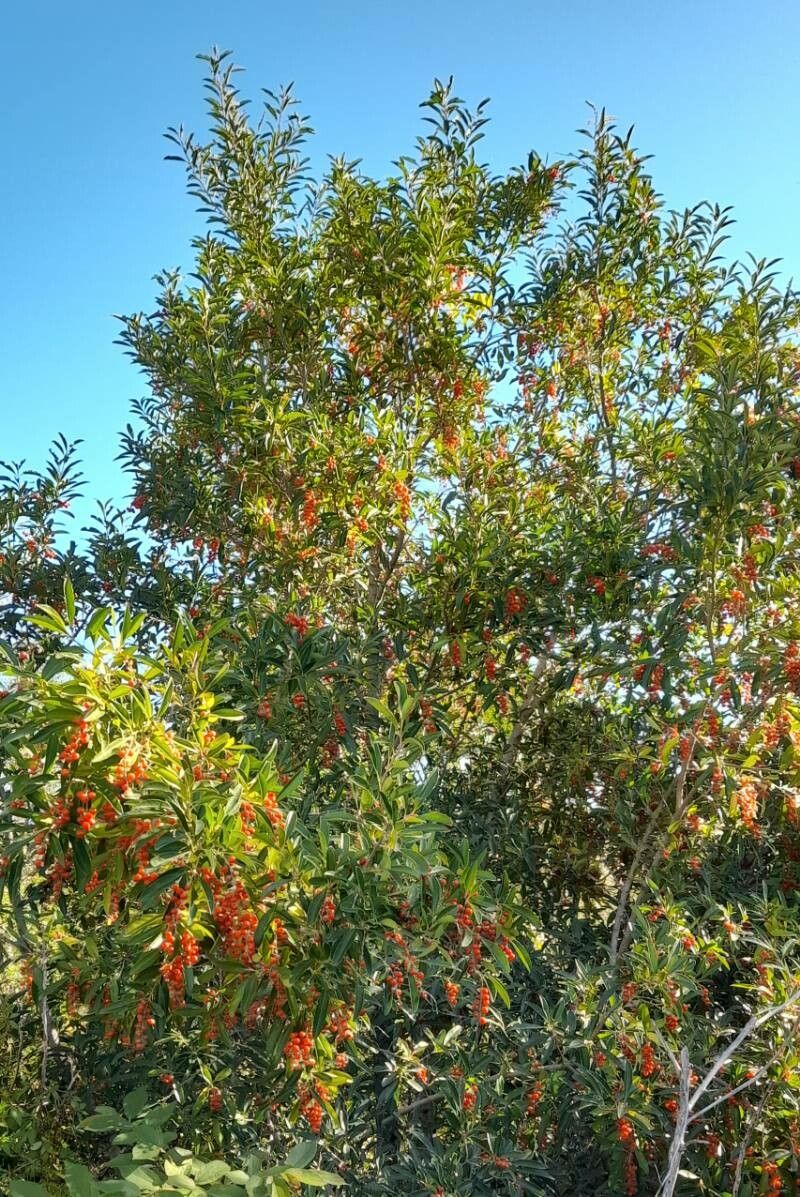
From Cutting to Crown: Propagating Your Very Own Citharexylum montevidense
The Citharexylum montevidense, also known as the “Fiddlewood,” is a captivating plant with its lush, dark green leaves and fragrant, lilac blooms. It’s a popular choice for gardeners seeking a touch of tropical elegance, but getting your hands on one can be a little tricky. Fear not, green thumbs! This article will guide you through the exciting world of propagating your own Fiddlewood from the comfort of your own home.
The Magic of Cuttings:
One of the most common and effective methods for propagating Citharexylum montevidense is through stem cuttings. With a sharp, clean knife or pruning shears, take a 4-6 inch cutting from a healthy, non-flowering branch. Remove the leaves from the bottom inch or two of the cutting, leaving a smooth stem. This section will be inserted into the rooting medium.
Rooting Mediums and Techniques:
Before you plant your cuttings, choose a suitable rooting medium. A combination of equal parts peat moss and perlite works well, but you can also use vermiculite or sand. The medium should be airy and well-draining, allowing for proper aeration around the cutting.
Next, dip the cut end of the stem in rooting hormone. This will encourage root development, giving your cutting a head-start. Plant the cutting in a pot filled with your chosen rooting medium, ensuring the leaves are above the medium level. Keep the medium consistently moist but not soggy.
Once planted, cover the pot with a clear plastic bag or a humidity dome to create a mini-greenhouse environment. This will help maintain high humidity and warmth, ideal conditions for root growth. Place the pot in a bright, indirect light location, avoiding direct sunlight which can scorch the leaves.
Checking for Success:
After a few weeks, you can test for success. Carefully gently tug on the cutting. If it shows resistance, it’s likely that roots are forming. Once roots are established, you can remove the plastic bag or humidity dome and acclimate the young plant to normal ambient conditions.
From Seed to Sapling:
The journey to a thriving Fiddlewood can also begin with seeds. Harvest the seeds from mature fruit pods, making sure they are dry and plump. You can then sprinkle these directly into a seed starting tray filled with a seed-starting mix, covering them lightly with a thin layer of soil.
Keep the tray in a warm, sunny location and maintain a consistently moist soil. The seeds should germinate within a few weeks. Once the seedlings have produced a few sets of true leaves, they can be transplanted into individual pots.
Patience and Persistence:
Propagation is a journey, not a sprint. Be patient and persistent! It can sometimes take weeks or even months for cuttings or seedlings to develop into mature plants. Ensure that the chosen location provides adequate warmth, humidity, and indirect light, crucial elements for successful propagation.
A Fiddlewood of Your Own:
By understanding the basics of propagation, you can create your own thriving Fiddlewood, adding a touch of tropical charm to your garden or home. Regardless of whether you choose to work with cuttings or seeds, each step will offer a rewarding experience, providing you with a unique and beautiful plant that you’ve nurtured from the very beginning.