
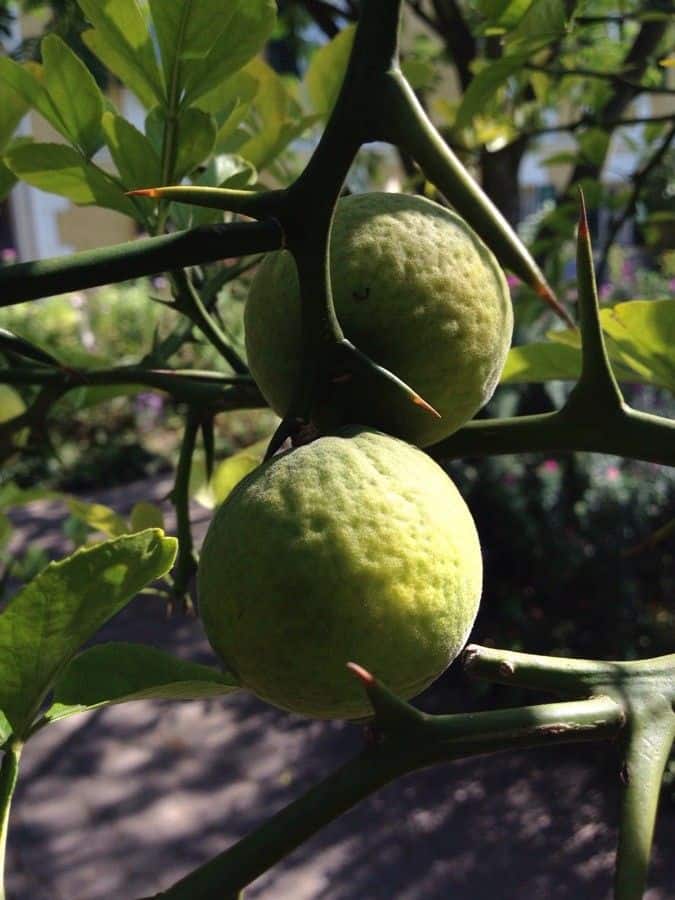
Taming the Hardy Citrus: A Guide to Propagating Trifoliate Orange
The trifoliate orange (Citrus trifoliata, also known as Poncirus trifoliata), with its intriguing thorns and hardy nature, might not be the first citrus that comes to mind for your garden. But for those looking for a unique ornamental tree, a robust rootstock for other citrus varieties, or simply a citrus that can brave colder climates, the trifoliate orange deserves a second glance. And the best part? Propagating it yourself is an achievable feat, even for gardening enthusiasts with a less-than-green thumb.
Why Propagate?
While you can purchase trifoliate orange saplings, propagating your own offers a satisfying and often more affordable route. It allows you to:
- Multiply your stock: Have an existing trifoliate orange and want more? Propagation is the way!
- Control the quality: Be confident in the health and vigor of your new plants.
- Experiment and learn: Dive deeper into the fascinating world of plant propagation and expand your gardening skills.
The Two Main Methods:
1. Seed Propagation:
While trifoliate orange seeds are viable, this method comes with a caveat. Trees grown from seed can take years to fruit and may not inherit the characteristics of the parent plant. However, if you’re up for the challenge:
- Seed Collection: Extract seeds from ripe fruit, clean off the pulp, and let them dry for a few days.
- Stratification (Optional): Mimicking winter conditions by storing seeds in a moist paper towel in the refrigerator for a few weeks can improve germination rates.
- Sowing: Plant seeds about an inch deep in well-draining soil and keep them consistently moist. Germination can take several weeks.
2. Cuttings:
The most reliable method for replicating the parent plant’s traits, cuttings involve rooting a section of a healthy branch:
- Timing: Late spring or early summer, when the plant is actively growing, is ideal.
- Taking the Cutting: Select a healthy branch segment about 6-8 inches long. Make a clean cut just below a leaf node.
- Preparing the Cutting: Remove leaves from the lower half of the cutting and wound the base slightly to encourage root development. Dip the cut end in rooting hormone (optional but beneficial).
- Planting: Plant the cutting in a well-draining potting mix, ensuring the bottom leaf node is buried.
- Creating Humidity: Cover the pot with a clear plastic bag or humidity dome to maintain moisture. Place it in a warm, bright location out of direct sunlight.
- Rooting: Cuttings should root in 4-6 weeks, indicated by new growth. Once rooted, gradually acclimate the plant to normal humidity before transplanting.
Caring for your New Propagations:
- Well-Draining Soil: Trifoliate oranges despise soggy roots. Plant them in well-drained soil or a potting mix formulated for citrus.
- Sunlight: Provide at least 6 hours of sunlight daily for optimal growth and fruit production.
- Watering: Water deeply when the soil is dry to the touch, but avoid overwatering.
- Fertilizing: Feed young plants regularly with a balanced fertilizer during the growing season.
Propagating trifoliate orange is a rewarding endeavor, allowing you to cultivate this hardy citrus from seed or multiply your existing stock with ease. With a bit of patience and care, you’ll be well on your way to enjoying the unique beauty and potential of this fascinating tree in your own garden.