
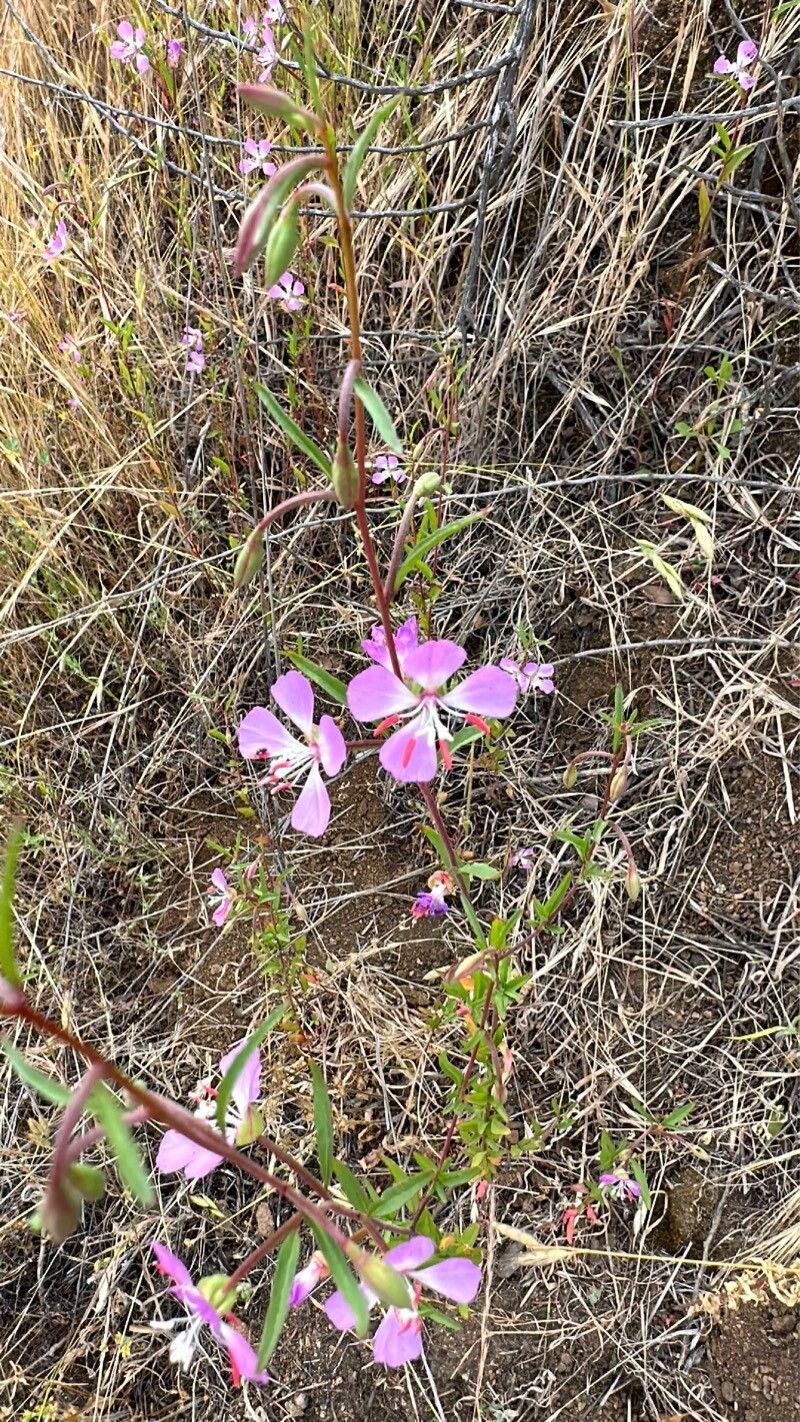
Bringing Home the Bloom: A Guide to Propagating the Rare and Beautiful Clarkia tembloriensis
The world of wildflowers is full of hidden gems, and few shine as brightly as Clarkia tembloriensis, also known as the “Jewelflower of the Temblor Ranges.” This annual wildflower, native to California, boasts exquisite, satiny blooms in vibrant shades of pink and lavender, making it a coveted addition to any wildflower enthusiast’s garden. While considered rare in the wild, cultivating Clarkia tembloriensis at home is achievable with the right knowledge. Let’s delve into the secrets of propagating this botanical beauty.
Understanding the Plant:
Before embarking on your propagation journey, understanding the plant’s lifecycle is crucial. Clarkia tembloriensis is an annual, meaning it completes its life cycle within one growing season. This characteristic makes seed propagation the most effective method for cultivation.
Seed Collection:
The journey starts with obtaining seeds. You can purchase seeds from reputable suppliers specializing in native plants or, if you’re lucky enough to live near a population, collect seeds responsibly from the wild (always ensuring permission and following ethical guidelines). Seeds develop within capsules after the flowers fade. Look for dried, brown capsules and gently crack them open to collect the tiny, brown seeds within.
Sowing the Seeds:
Timing is Everything: The optimal time for sowing Clarkia tembloriensis seeds is in the fall. This coincides with the natural cycle of the plant, allowing seeds to experience winter’s chill, which is essential for germination.
Preparing the Seedbed: Choose a location with full sun to partial shade and well-draining soil. These plants thrive in disturbed areas, so don’t be afraid to incorporate some gravel or sand into the mix to improve drainage.
Sowing Depth: Scatter your seeds on the soil surface, as light aids in germination. Lightly press them onto the soil, but do not bury them.
- Watering: Keep the soil consistently moist but avoid overwatering. A light misting can prevent the tiny seeds from being dislodged.
Germination and Growth:
Patience is key! You can expect to see germination within a few weeks to a couple of months, depending on environmental conditions. Once seedlings emerge, thin them out to provide adequate spacing (around 6-8 inches apart). This allows for better air circulation and reduces competition for resources.
Caring for Your Jewel Flowers:
Clarkia tembloriensis are relatively low-maintenance plants. Water them regularly during dry spells, but be mindful of overwatering, which can lead to root rot.
- Deadheading spent blooms can encourage additional flowering and prolong the blooming period.
Enjoying the Rewards:
By spring, your patience will be rewarded with a spectacular display of vibrant blooms. The delicate petals, ranging from pale pink to deep magenta, add an element of ethereal beauty to gardens and attract a variety of pollinators, including bees and butterflies.
Preserving for the Future:
As the flowering season concludes, allow some flowers to go to seed. This not only helps with natural reseeding for the following year but also provides you with a fresh batch of seeds to share or expand your own Clarkia tembloriensis haven.
By following these steps and embracing the simple joys of plant propagation, you can play a role in preserving the delicate beauty of Clarkia tembloriensis, ensuring its legacy continues to bloom for generations to come.