
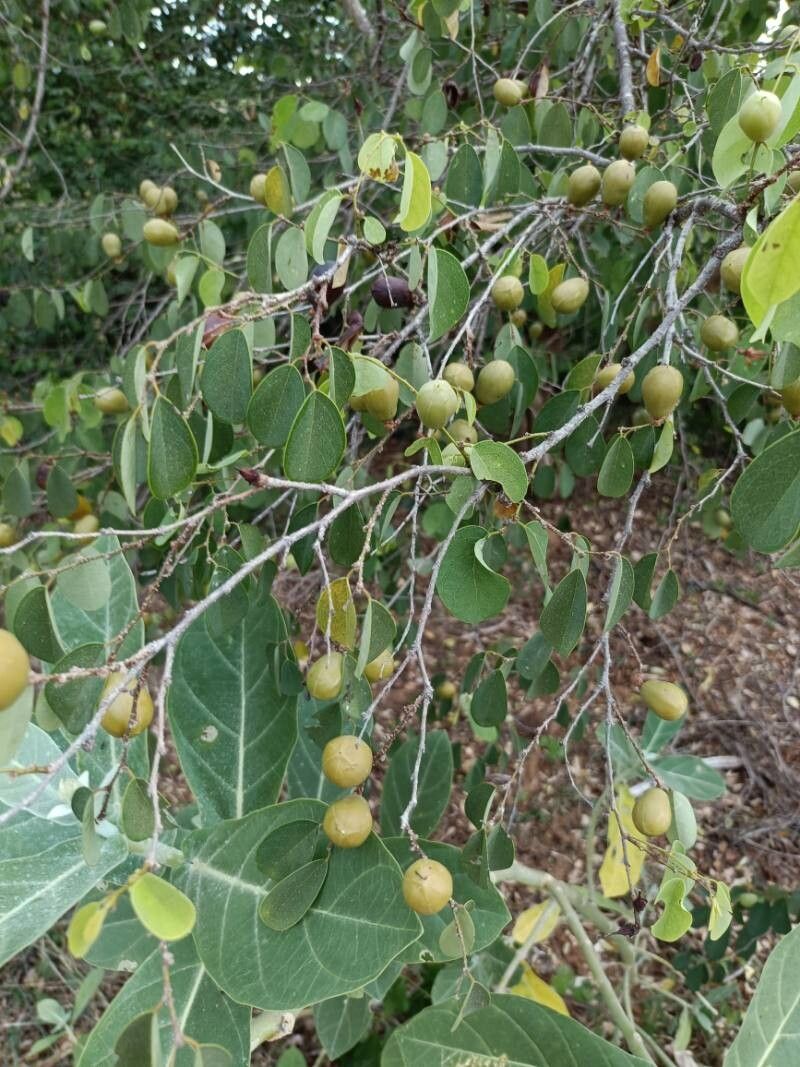
Unlocking the Secrets: Propagating the Resilient Cleistanthus collinus
The Cleistanthus collinus, also known as the Garari, is a remarkable plant with a strong presence in traditional medicine. While its use in landscaping is less common, its resilience and unique appearance make it an intriguing choice for adventurous gardeners. If you’re looking to cultivate this fascinating species, understanding its propagation methods is key.
Cleistanthus collinus can be propagated through two primary methods: seed propagation and cutting propagation. Let’s delve into the details of each:
1. Seed Propagation:
- Seed Collection: Garari trees produce fruits that contain small, hard seeds. Collect ripe fruits directly from the tree, preferably during the dry season. Remove the fleshy outer layer and allow the seeds to dry thoroughly in a shaded area.
- Seed Treatment: Garari seeds often exhibit dormancy, which can be overcome with proper treatment. Soaking the seeds in warm water for 24 hours can enhance germination rates. Some gardeners also scarify the seed coat, creating a small nick with a file or sandpaper, to further encourage water absorption.
- Sowing: Plant the treated seeds in a well-draining seed-starting mix, keeping them about 1-2 cm deep. Maintain a warm and humid environment by misting regularly and covering the container with a plastic dome or wrap. Germination typically takes several weeks to a few months.
- Transplanting: Once the seedlings develop a few true leaves and a strong root system, they can be transplanted to larger individual pots or directly into the ground. Choose a location with full sun to partial shade and well-drained soil.
2. Cutting Propagation:
- Cutting Selection: Select healthy, semi-hardwood cuttings from the current year’s growth. The ideal time for taking cuttings is during the early morning hours when the plant’s water content is highest. Each cutting should be about 10-15 cm long and have at least two nodes.
- Cutting Preparation: Remove the leaves from the lower third of the cutting to prevent rot. Dip the cut end in a rooting hormone powder to stimulate root development (optional but recommended).
- Planting: Insert the prepared cuttings into a well-draining potting mix, ensuring at least one node is buried. Water thoroughly and cover the pot with a plastic bag or humidity dome to maintain a moist environment.
- Root Development: Cuttings usually take several weeks to develop roots. You can test for rooting by gently tugging on the cutting; resistance indicates successful root formation.
- Transplanting: Once the cuttings have established a good root system, they can be transplanted to larger containers or their permanent location in the garden.
Challenges and Considerations:
While propagating Cleistanthus collinus is achievable, it can be a slow process, especially with seeds. Maintaining patience and providing optimal growing conditions are crucial for success. Additionally, remember that all parts of the Cleistanthus collinus plant are poisonous if ingested, so wear gloves and handle with care.
Rewarding Endeavor:
Successfully propagating your own Garari plant is a rewarding experience. It allows you to cultivate a species with medicinal properties and contribute to the conservation of this intriguing plant. Whether you choose the seed or cutting route, following these guidelines will give you the best chance of success. Happy propagating!