
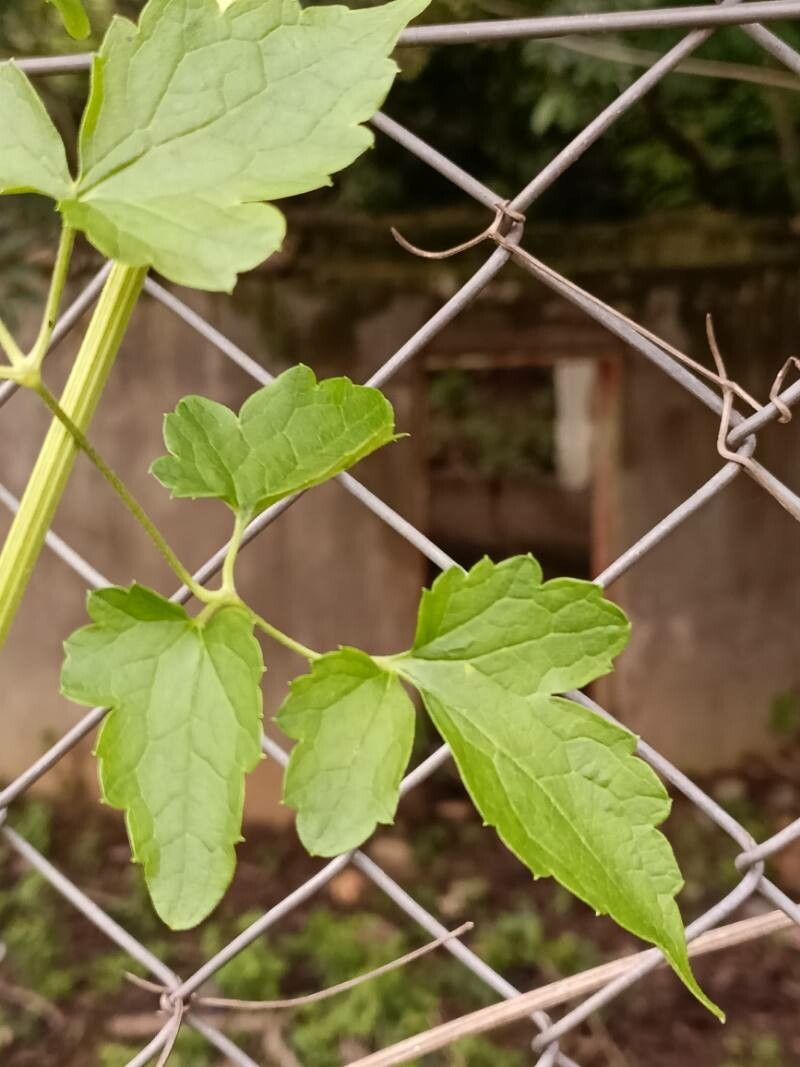
Bringing Home the Beauty: Propagating Clematis Brachiata
The Clematis brachiata, with its delicate, star-shaped white flowers and graceful, sprawling habit, is a botanical treasure that any gardener would be lucky to have. But what if you could share this beauty with friends, family, or even just expand your own collection? Propagation is the answer, offering a rewarding and surprisingly simple way to create more of these charming climbers.
Understanding the Basics:
Clematis brachiata is a species known for its adaptability and ease of propagation. You have two primary options: seeds and cuttings.
From Seed to Sprout:
- Harvesting: Collect seed pods when they turn brown and papery, usually in late summer or early autumn. The seeds inside are tiny and require special attention.
- Stratification: Clematis brachiata seeds benefit from a period of cold stratification, mimicking winter conditions. Mix the seeds with slightly moistened vermiculite or peat moss and place them in a sealed container in the refrigerator for 6-8 weeks.
- Sowing: Once stratified, sow the seeds in a well-draining seed starting mix. Use a shallow container, barely covering the seeds with soil. Water gently and place in a bright, indirect light location. Germination can take several weeks.
The Art of Cutting:
- Timing is Key: Take softwood cuttings in spring, using new growth from the current season. For hardwood cuttings, take them in late autumn or winter, using mature stems from the previous year.
- Preparation: Use a sharp knife or pruning shears to take cuttings 4-6 inches long. Remove the leaves from the bottom 1-2 inches and make a diagonal cut at the base.
- Rooting: Dip the cut end in rooting hormone for optimal results. Plant the cuttings in a well-draining potting mix, ensuring the bottom node (where the leaves were removed) is below soil level. Keep the cuttings moist in a bright, indirect light location.
Tips for Success:
- Misting and Humidity: Maintain consistent moisture around the cuttings by misting regularly or placing them within a humidity dome.
- Patience is a Virtue: Propagation takes time. Don’t be discouraged if you don’t see immediate results. Be patient, provide consistent care, and you’ll be rewarded with beautiful new Clematis brachiata plants.
- Don’t Forget the Soil: Clematis brachiata thrives in well-drained soil that is slightly acidic to neutral.
- Sunlight and Support: Choose a location with plenty of sun (at least 6 hours per day) and provide a sturdy trellis or support for the plant to climb.
Beyond the Basics:
Beyond the methods mentioned above, you can also try air layering, a technique involving inducing root growth on a stem while it’s still attached to the parent plant.
A Garden Full of Joy:
Propagation isn’t just about creating more plants; it’s about deepening your connection with the natural world. It’s about sharing the beauty of Clematis brachiata with others and watching its enchanting blooms grace your own garden, knowing you helped them grow. So, dive into the exciting world of propagation and experience the joy of creating something new and beautiful.