
Propagating Clematis cirrhosa: The Evergreen Beauty
Introduction:
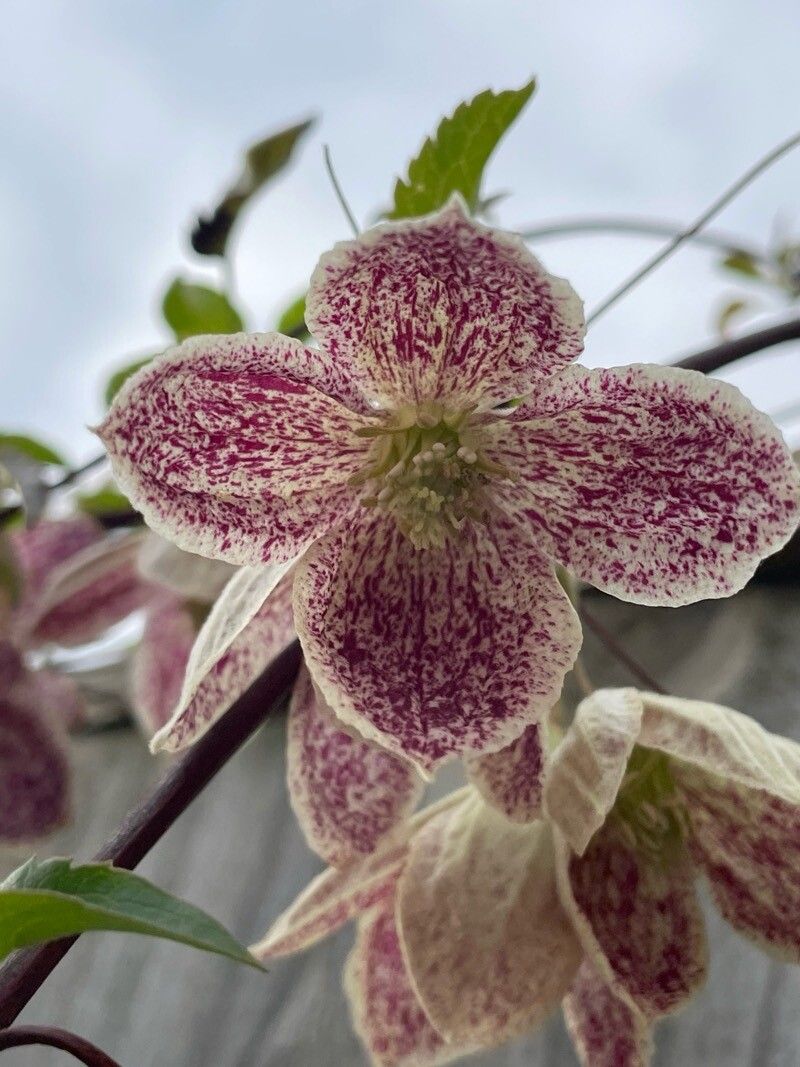
Clematis cirrhosa, also known as the winter clematis or sweet autumn clematis, is a captivating evergreen climber prized for its delicate, bell-shaped flowers that bloom in late winter and early spring, often before many other plants. Its profusion of blooms in muted creamy-white to pale yellow hues, often tinged with green or purple, contrasts beautifully against winter’s muted landscape. Its popularity among gardeners stems from its relatively compact size compared to other clematis species, its ability to thrive in partial shade, and its enchanting early flowering habit. However, propagation can present some unique challenges, making successful cultivation all the more rewarding.
Seed Germination:
Currently, there are no known reliable methods for seed germination propagation of Clematis cirrhosa. While seeds are produced, their germination rate is notoriously low and unpredictable, making this method impractical for most gardeners. Further research into specific seed treatment techniques might be necessary to improve germination success but currently it’s not a recommended approach.
Cuttings:
Cuttings offer a more reliable method for propagating Clematis cirrhosa.
Challenges: Success rates can vary depending on the timing and technique used. Using semi-hardwood cuttings taken in late summer or early autumn generally yields the best results. Maintaining consistently high humidity and avoiding fungal diseases are crucial.
Practical Tips: Take 4-6 inch cuttings from non-flowering stems, removing lower leaves. Dip the cut ends in rooting hormone before planting them in a well-draining, moist propagation mix, such as a peat and perlite blend. Cover with a clear plastic dome or bag to maintain humidity. Place in a warm, shaded location with indirect light. Regular misting may be beneficial. Rooting usually takes several weeks, and patience is key.
Rewards: This method preserves the genetic characteristics of the parent plant, producing clones that will flower identically. It’s relatively easy compared to other methods once the right conditions have been established. It is suitable for smaller-scale propagation.
Division:
Division of established plants is also feasible for Clematis cirrhosa.
Challenges: This method is only suitable for larger, well-established plants. Care must be taken to avoid damaging the root system, which can hinder the plant’s recovery. The success of the division depends heavily on the health of the parent plant and the care taken during the process.
Practical Tips: Divide the plant in early spring or autumn when the plant is dormant. Carefully lift the entire plant from the ground and gently separate it into sections, ensuring each division has a healthy root system and several stems. Replant each division immediately, ensuring the roots are well-covered and watered thoroughly.
Rewards: Division allows you to quickly increase the number of plants and is a relatively low-tech propagation method. Similar to cuttings, it preserves the parent plant’s characteristics.
Tissue Culture:
Tissue culture offers a potential, albeit specialized, method of propagation.
Challenges: This method requires specialized equipment, sterile conditions, and a significant understanding of plant tissue culture techniques. It’s generally not a feasible option for the home gardener.
Practical Tips: This method involves growing plantlets from small sections of tissue in a nutrient-rich medium under sterile conditions. This intricate process involves stages of sterilization, media preparation, and careful monitoring for contamination.
Rewards: Tissue culture can produce a large number of genetically identical plants quickly, and it is useful for propagating plants that are difficult to propagate using other methods. It can also be used to eliminate diseases.
Conclusion:
Propagating Clematis cirrhosa presents varying challenges depending on the method chosen. While seed germination is unreliable, cuttings offer a practical and rewarding approach for the home gardener. Division is a viable option for larger plants, and tissue culture remains a sophisticated technique best suited for professionals. The unique satisfaction of successfully propagating this beautiful climber, overcoming the hurdles presented, is a testament to perseverance and a deep appreciation for the botanical world. Don’t be discouraged by initial setbacks – with patience and attention to detail, the rewards of cultivating your own Clematis cirrhosa will be immeasurable. Start with cuttings, practice good horticultural techniques, and enjoy the blossoming reward of your efforts.