
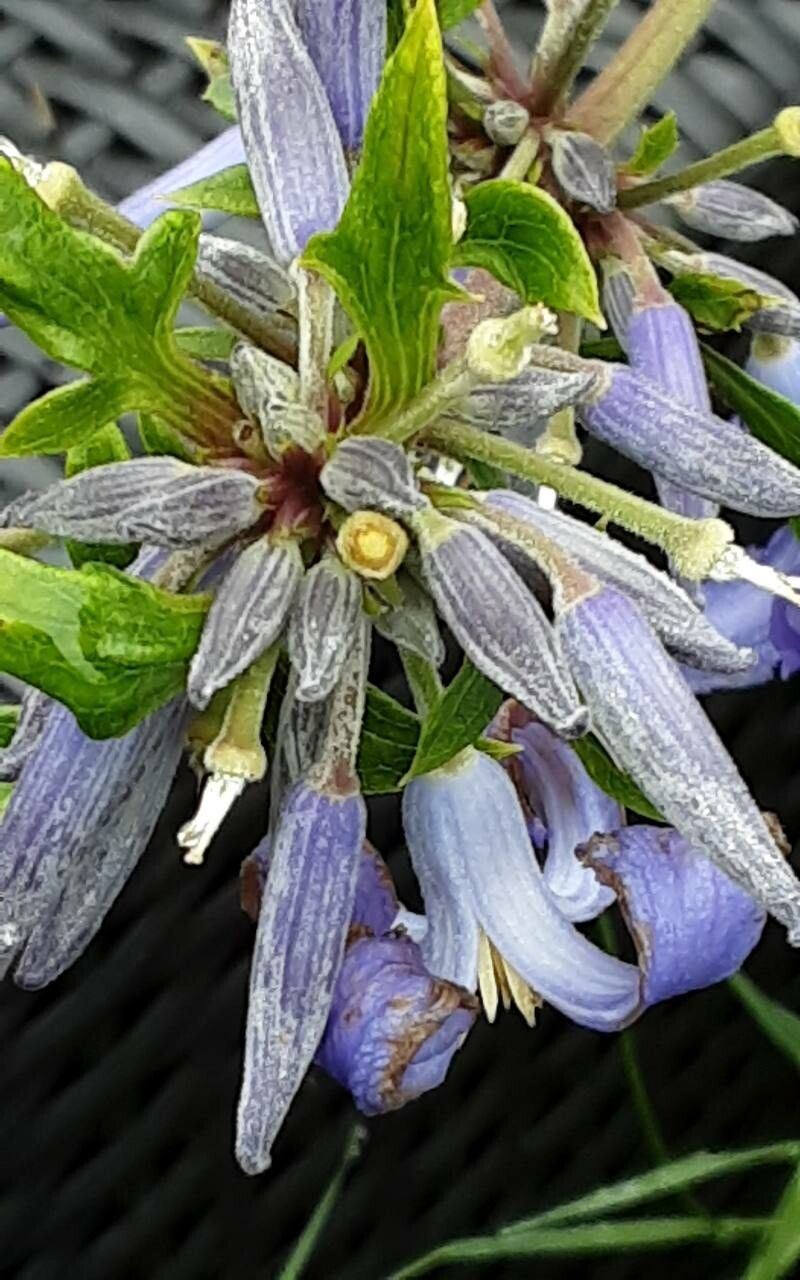
Taming the Wild Beauty: Propagating Clematis heracleifolia
Clematis heracleifolia, also known as the tube clematis or the hyacinth-flowered clematis, captivates with its unique charm. Unlike its vining cousins, this species boasts an upright, bushy habit and delights with clusters of fragrant, hyacinth-like blooms in late summer. If you’re yearning to multiply your stock of this easy-care beauty, you’re in luck! Propagating Clematis heracleifolia is achievable for gardeners of all levels. Let’s explore the most effective methods:
1. Division: The Simplicity of Splitting
For established plants, division reigns supreme as the easiest and quickest propagation method. Here’s how it’s done:
- Timing is key: Early spring, just before new growth emerges, is the ideal time for dividing Clematis heracleifolia.
- Gentle hands: Carefully dig up the entire plant, ensuring you get a good root ball.
- Divide and conquer: Using a sharp, clean knife or spade, divide the root ball into sections. Each section should have a healthy amount of roots and at least one strong shoot.
- Replant and rejoice: Replant the divisions at the same depth they were originally growing, water thoroughly, and watch them flourish!
2. Cuttings: Nurturing New Life from Stems
Propagating Clematis heracleifolia from cuttings offers a rewarding challenge with a high success rate.
- Prime Time: Late spring or early summer, when the plant is actively growing, is the best time to take cuttings.
- Selecting your candidates: Look for healthy, non-flowering stems. Cuttings should be around 4-6 inches long, taken just below a leaf node.
- Prepare for success: Remove the lower leaves to prevent rotting. Dip the cut end in rooting hormone (optional, but recommended).
- Creating a nurturing environment: Plant the cuttings in a well-draining potting mix. A humidity dome or covering the pot with a plastic bag helps retain moisture.
- Patience is a virtue: It takes about 6-8 weeks for the cuttings to develop roots. Once rooted, they can be transplanted into individual pots.
3. Seed: A Test of Time and Patience
While possible, propagating Clematis heracleifolia by seed is the most challenging and time-consuming method.
- Collecting treasures: Harvest seeds from mature seedheads in the fall.
- Winter’s Embrace: Cold stratification is often necessary to break seed dormancy. Store seeds in a moist paper towel in the refrigerator for 4-6 weeks.
- Sowing the seeds: In spring, sow seeds in a seed-starting mix, barely covering them with soil.
- Light and warmth: Provide bright, indirect light and a warm environment for germination. This can take several weeks or even months.
Additional Tips for Propagation Success:
- Well-draining soil: Clematis heracleifolia thrives in well-drained soil. A mix of peat moss, perlite, and vermiculite is ideal for both divisions and cuttings.
- Light is right: Choose a location with partial shade to full sun, ideally with morning sun and afternoon shade.
- Water wisely: Keep the soil consistently moist but not waterlogged.
- Pest patrol: Be vigilant for common garden pests and treat accordingly.
With a bit of patience and care, you can easily propagate your Clematis heracleifolia, expanding your garden with more of this beautiful and unique flowering plant. So, go ahead and try your hand at propagation – your garden will surely thank you!