
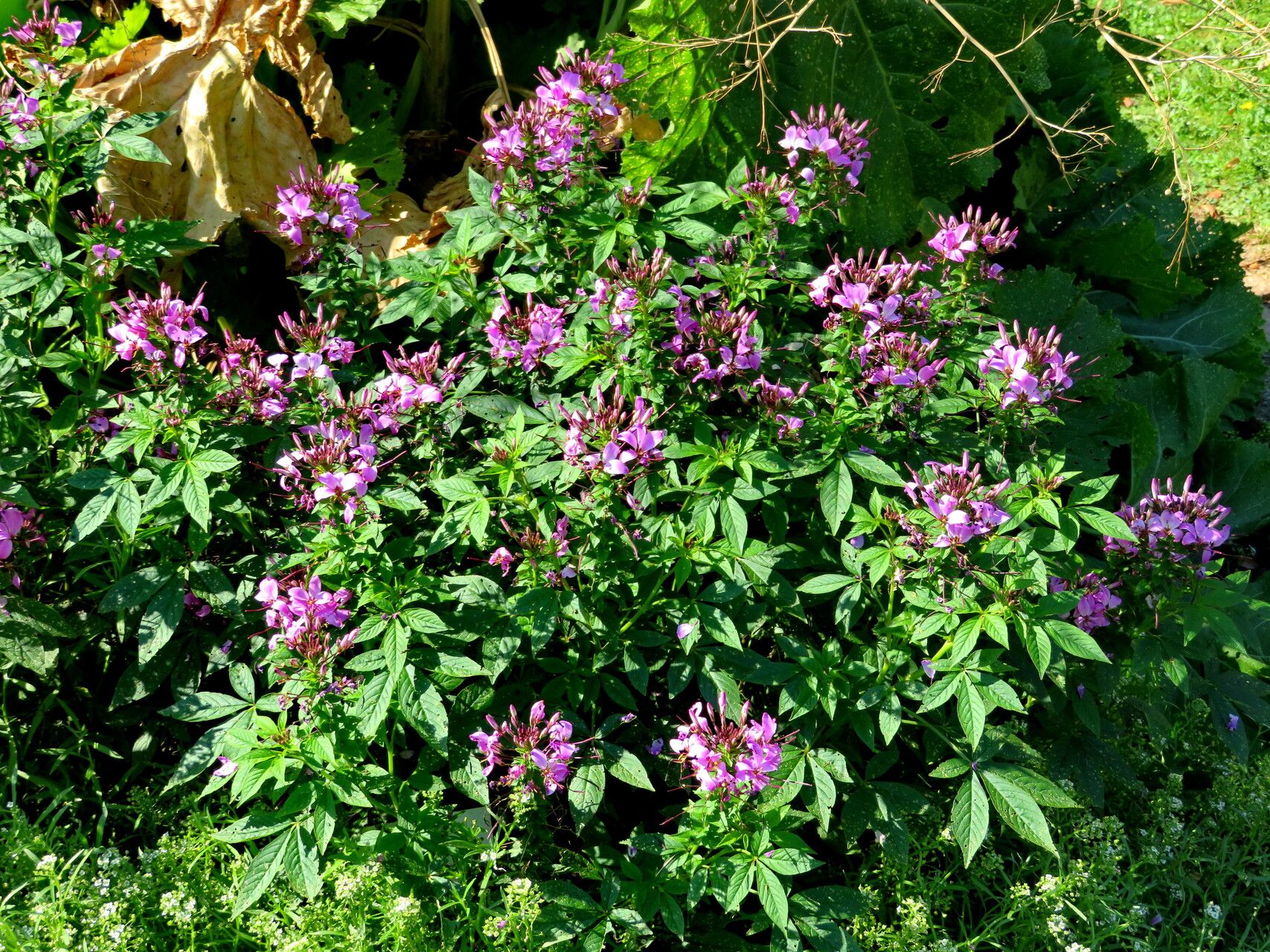
From Tiny Seeds to Towering Beauty: Growing Cleome violacea from Seed
Cleome violacea, also known as spider flower, is a stunning annual with delicate, wispy blooms that attract butterflies and hummingbirds like magnets. Its long, branching stems reach impressive heights, adding a touch of whimsy and color to any garden. But don’t let its elegance fool you – this plant is remarkably easy to grow from seed!
In this post, we’ll delve into the simple steps of propagating Cleome violacea from seed, empowering you to enjoy these captivating flowers year after year.
A Beginner’s Guide to Cleome Propagation
Timing is Key: Cleome seeds are best sown directly outdoors after the last frost has passed. In cooler climates, you can start them indoors 6 to 8 weeks before the last frost date.
Direct Sowing: Choose a sunny spot in your garden with well-drained soil. Scatter the seeds thinly on the surface, lightly covering them with soil. Water gently. The seeds will germinate in about 10 to 14 days.
Indoor Starting: Fill seed trays with a seed-starting mix and moisten it thoroughly. Sprinkle the seeds evenly and cover them with a thin layer of soil. Keep the trays in a warm, bright location (around 70°F) and maintain consistent moisture.
Thinning and Transplanting: Once the seedlings have developed 2-3 true leaves, thin them out to give each plant enough space. You can also transplant seedlings into larger pots or directly into your garden bed when the weather is warm.
- Sunlight and Water: Cleome thrives in full sun and prefers well-drained soil. Water regularly, especially during dry spells, to maintain consistent soil moisture.
Tips for Success:
- Choose the Right Variety: Cleome violacea comes in various shades of pink, purple, white, and even yellow. Explore different varieties to find the perfect fit for your garden.
- Avoid Overcrowding: Give your Cleome plants ample space to grow and flourish. Aim for about 12 inches between each plant.
- Deadheading: Regularly removing spent flower heads encourages the production of new blooms, extending the flowering season.
- Consider Companion Planting: Cleome pairs well with other nectar-rich flowers like zinnias, cosmos, and sunflowers, creating a vibrant butterfly haven.
Beyond the Garden:
Cleome violacea has more to offer than just its beauty. Its seeds are a source of food for birds, and the plant itself repels harmful insects like aphids and whiteflies.
A Final Thought:
Growing Cleome violacea from seed is a rewarding and simple process that will fill your garden with vibrant color and bring in a flurry of pollinators. So why not give it a try this season, and let these charming flowers bring joy to your outdoor space?