
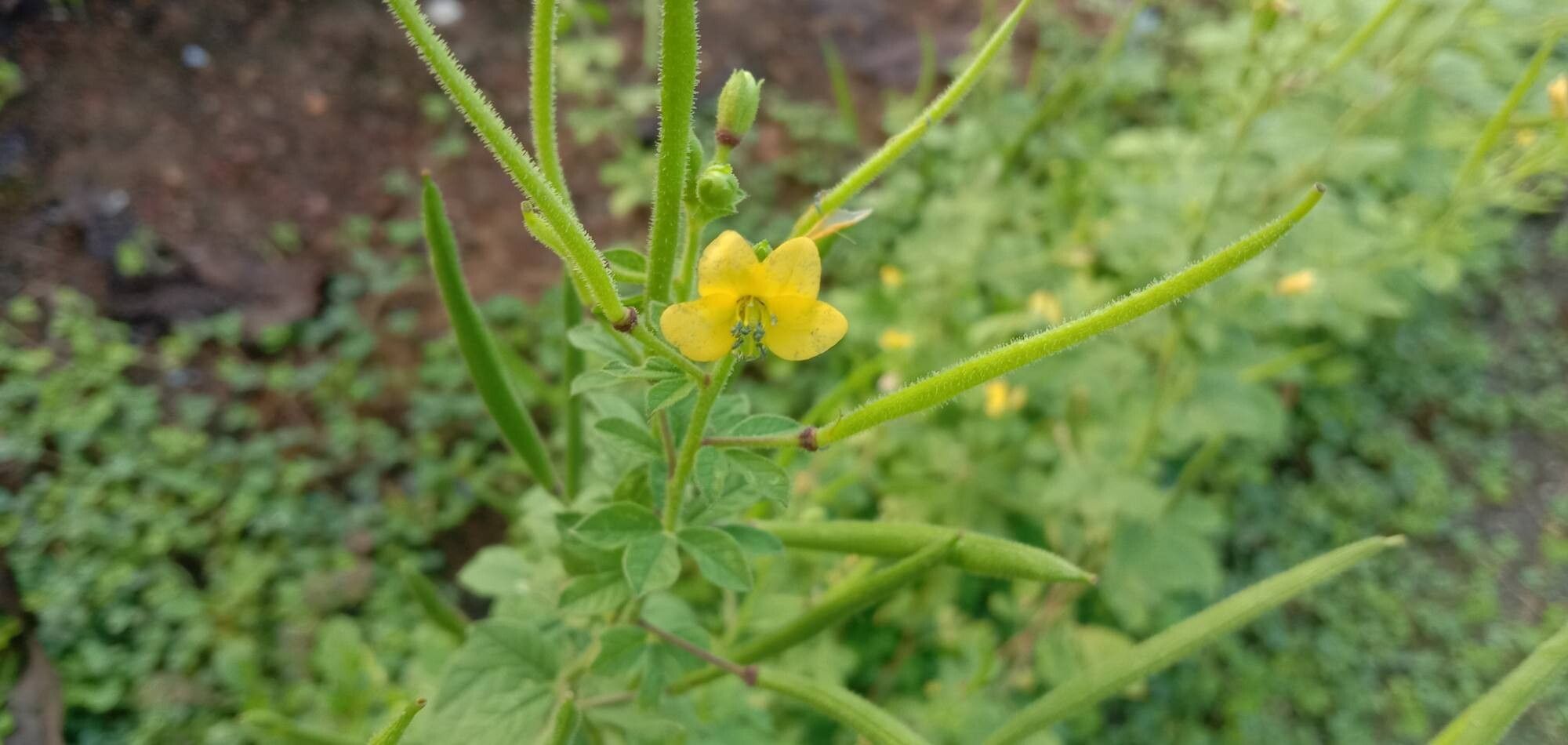
Propagating Cleome viscosa: Taming the Spider Flower
Cleome viscosa, commonly known as spider flower or sticky weed, is a fascinating annual herb belonging to the Cleomaceae family. Its characteristic spidery flowers, ranging from white to pink and purple, attract pollinators and lend a whimsical charm to gardens. While considered a weed in some regions due to its prolific self-seeding, its ease of cultivation and attractive blooms make it a popular choice among gardeners, particularly those interested in attracting beneficial insects. Its rapid growth and relatively low maintenance requirements contribute to its appeal, however, propagation can present some unique challenges.
Seed Germination:
Seed germination is a viable and highly successful method for propagating Cleome viscosa. The primary challenge lies in ensuring optimal conditions for germination. The small seeds require light for germination, so sowing should be done on the surface of a well-draining seed-starting mix. Avoid burying the seeds deeply. A warm temperature (around 20-25°C) and consistently moist (but not waterlogged) soil are crucial. Stratification is not necessary.
Practical Tips: Sow seeds directly into the garden after the last frost or start them indoors 6-8 weeks before the last expected frost. Use a well-draining seed-starting mix and maintain consistently moist conditions. Thin seedlings once they have developed a few true leaves to avoid overcrowding.
Rewards: Seed propagation offers the greatest genetic diversity, allowing for a wider range of plant variations. It’s also an economical and efficient method, particularly suitable for large-scale propagation for commercial or conservation purposes.
Cuttings:
Currently, there are no known reliable methods for propagating Cleome viscosa from cuttings. The plant’s stem structure and physiology appear to hinder successful rooting.
Division:
Division is not a feasible propagation method for Cleome viscosa. As an annual, it does not develop the extensive root systems necessary for successful division.
Tissue Culture:
While potentially feasible, tissue culture propagation of Cleome viscosa is not commonly practiced. This method would require specialized laboratory equipment and expertise, making it less accessible to the average gardener. The challenges would likely involve finding suitable growth media and sterilization techniques to control contamination. It offers the potential for mass production of genetically uniform plants but is an expensive and complex process generally reserved for large-scale commercial operations.
Conclusion:
Propagating Cleome viscosa presents a fascinating contrast between ease and challenge. While seed germination offers a highly rewarding and straightforward method, accessible to even novice gardeners, other techniques prove less successful. The success of seed germination underscores the plant’s resilience and adaptability, while the failure of other methods highlights the unique physiological characteristics of this species. The feeling of accomplishment derived from nurturing tiny seeds into vibrant, flowering plants is a significant reward, transforming the simple act of propagation into a fulfilling horticultural journey. For aspiring propagators, patience and attention to detail when growing from seed are essential keys to success. Don’t be discouraged by the limitations of other propagation methods; the rewards of successfully cultivating this charming plant from seed are undoubtedly worth the effort.