
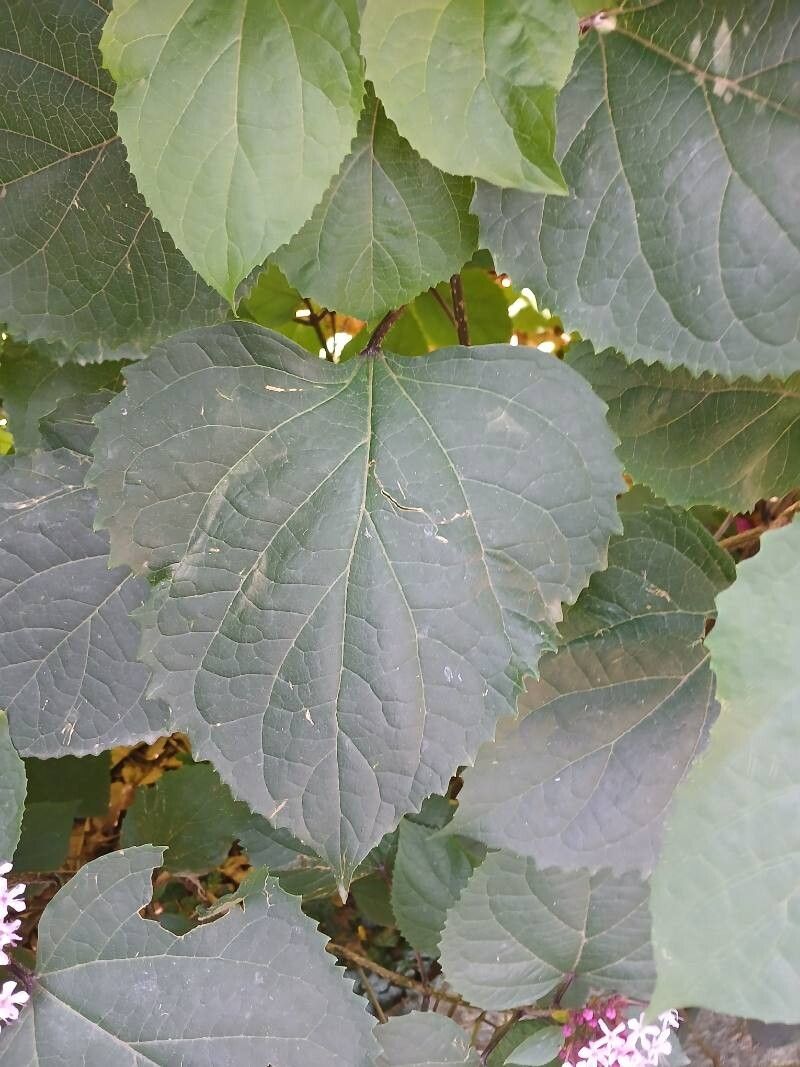
Unlocking the Secrets of Propagation: How to Grow More of the Beautiful Clerodendrum bungei
The Clerodendrum bungei, also known as the “Glory Bower” or “Harlequin Glorybower”, is a stunning plant that adds a touch of tropical elegance to any garden. Its clusters of vibrant red, pink, or white flowers with their distinctive spiky calyxes create a dramatic focal point, drawing the eye with their captivating beauty.
But the beauty of the Clerodendrum bungei goes beyond its appearance; it’s a relatively easy plant to cultivate, and with the right techniques, you can readily expand your collection by propagating new plants from your existing ones. So if you’re looking to share the joy of this stunning plant or simply want to expand your own green haven, let’s delve into the world of Clerodendrum bungei propagation.
Two Main Methods: The Power of Cuttings and the Magic of Seeds
There are two primary methods for multiplying your Clerodendrum bungei:
- Cuttings: This is the most commonly used and often the most successful method. It involves taking stem cuttings from a healthy, thriving plant.
- Seeds: For those keen on a more hands-on approach, starting from seeds is an option.
A Deeper Dive into Cuttings
Timing is Key: The best time to take cuttings is during the spring or summer while the plant is actively growing. This ensures they have the best energy reserves for successful rooting.
Selecting the Perfect Cuttings: Choose healthy, non-flowering stems with sturdy growth. Cuttings around 4-6 inches long, with at least two sets of leaves, provide the optimal balance of energy and rooting potential.
Preparing the Cuttings: Remove the leaves from the bottom inch or two of the stem, creating a smooth, bare section for rooting. A sharp, clean knife or pruners is essential for a precise cut.
Promoting Root Development: To boost the rooting process, dip the cut end of the stem into a rooting hormone powder or solution. This provides a hormonal boost encourages root development.
The Rooting Medium: A well-draining potting mix is ideal for rooting cuttings. You can also opt for a specialized rooting mix that includes perlite or vermiculite to improve drainage.
- Planting and Care: Plant the cuttings in individual pots or in a seed tray, ensuring that the cut end is buried but the leaves remain above the soil line. Keep the rooting medium consistently moist but not waterlogged. Provide indirect light and warm temperatures for optimal rooting.
Embracing the Seed-Sowing Experience
Gathering Seeds: If you’re patient and wish to attempt seed propagation, wait for the flowers to fade and produce seedpods. Collect the seeds from the ripe pods and allow them to dry thoroughly.
Sowing Technique: Use a well-draining seed starting mix, gently press the seeds into the soil surface, and keep them moist. A light covering of vermiculite may aid in maintaining humidity.
- Patience is Virtue: Clerodendrum bungei seeds can take several weeks to germinate, so patience is critical. Keep the seedlings warm and provide plenty of indirect light until they are large enough to transplant.
Common Challenges and Troubleshooting
While Clerodendrum bungei is generally easy to propagate, some common challenges may arise:
- Wilting: This can occur due to dehydration or improper humidity levels.
- Fungal Diseases: Overwatering can lead to root rot. Keep an eye out for signs of fungal growth and adjust watering practices accordingly.
Enjoy the Fruits of Your Labor
Once your new Clerodendrum bungei plants are established, they can be transplanted into larger pots or directly into your garden. With proper care and attention, these propagated plants will thrive and bring their stunning floral display to your outdoor space.
Propagating the Clerodendrum bungei is a rewarding experience. It allows you to expand your collection of this beautiful plant, share its beauty with others, and create a lush, vibrant garden you’ll cherish for years to come.