
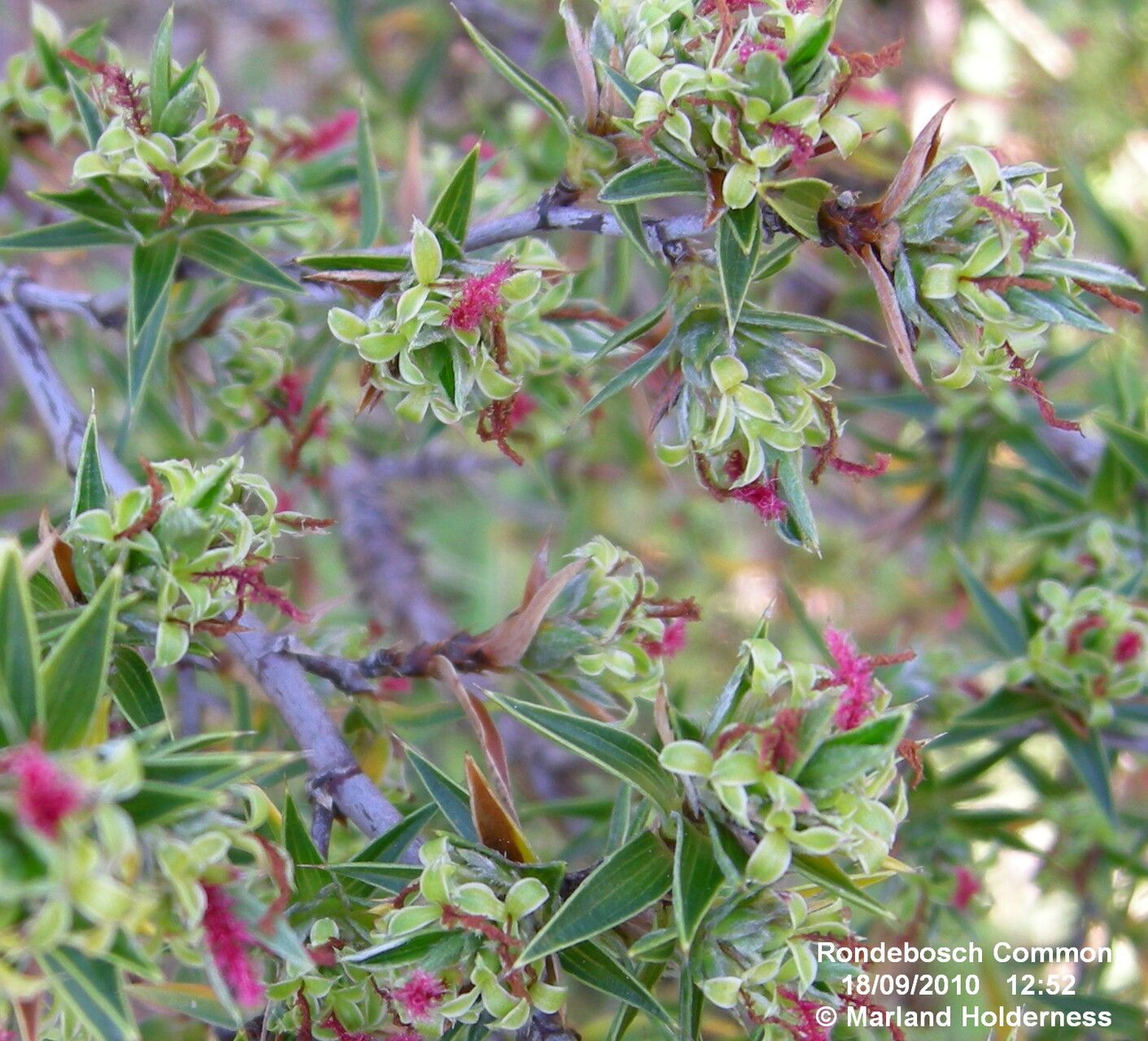
Unleashing the Magic of Cliffortia Ruscifolia: A Guide to Propagation
Cliffortia ruscifolia, with its delicate, evergreen foliage and intricate, delicate flowers, is a captivating addition to any garden. But have you ever thought about expanding your collection of these beauties? With the right approach, you can easily propagate Cliffortia ruscifolia and share its charm with friends or populate your garden with more of these delightful plants!
Why Propagate Cliffortia Ruscifolia?
Propagation isn’t just about increasing your plant count. It allows you to:
- Create more plants for free: Save money and bypass the need to purchase new plants.
- Expand your collection: Experiment with different varieties and enjoy a wider diversity of textures and colors in your garden.
- Share the joy of gardening: Gift propagated plants to friends and family, spreading the joy of gardening and the beauty of Cliffortia ruscifolia.
- Preserve a cherished plant: If you have a particularly beautiful or rare Cliffortia ruscifolia, propagation ensures its legacy continues.
Methods of Propagation: A Journey of Growth
Two primary methods are commonly employed for propagating Cliffortia ruscifolia:
1. Cuttings:
- Timing is Key: Summer is the ideal season for taking cuttings. Choose healthy, non-flowering stems that are about 4-6 inches long.
- Preparation: Make a clean cut at a 45-degree angle below a leaf node (the area where a leaf emerges). Remove lower leaves, leaving a few at the top.
- Rooting: Dip the cut end into rooting hormone for enhanced root development. Plant the cutting in a well-draining potting mix (like a blend of peat moss and perlite) and maintain a humid environment with a plastic dome or bag.
- Patience: Be patient! Rooting can take several weeks or even months. Keep the potting mix consistently moist but not soggy.
- Transplanting: Once roots have established (you’ll notice new growth), carefully transplant the rooted cuttings into individual pots or directly into the garden.
2. Seed Propagation:
- Harvesting Seeds: Gather seeds from mature, dried seedpods in late summer or early fall.
- Preparation: Lightly scarify the seeds by rubbing them with sandpaper or a nail file to aid germination.
- Sowing: Sow the seeds in a seed tray filled with a seed-starting mix. Lightly cover the seeds with soil and water thoroughly.
- Germination: Place the seed tray in a warm, bright location with indirect sunlight. Germination can take several weeks or months, so be patient.
- Transplanting: Once seedlings have developed true leaves, transplant them into individual pots and gradually acclimate them to outdoor conditions.
Tips for Success:
- Choose Healthy Starting Material: Start with strong, vigorous plants for better propagation success.
- Maintain Proper Humidity: Use a plastic dome or bag to create a humid environment for cuttings and ensure optimal root development.
- Provide Adequate Light: Place cuttings and seedlings in a bright location with indirect sunlight for healthy growth.
- Keep the Soil Moist: Regularly water your cuttings and seedlings, keeping the soil consistently moist but not waterlogged.
- Be Patient: Propagation takes time, so don’t be discouraged if you don’t see results immediately.
Cliffortia Ruscifolia: A Legacy of Beauty
By mastering the art of propagation, you can not only create a flourishing garden but also contribute to the propagation of this beautiful and fascinating plant. Share your passion for gardening and enjoy the rewards of witnessing your Cliffortia ruscifolia thrive and spread its charm throughout your garden and beyond.