
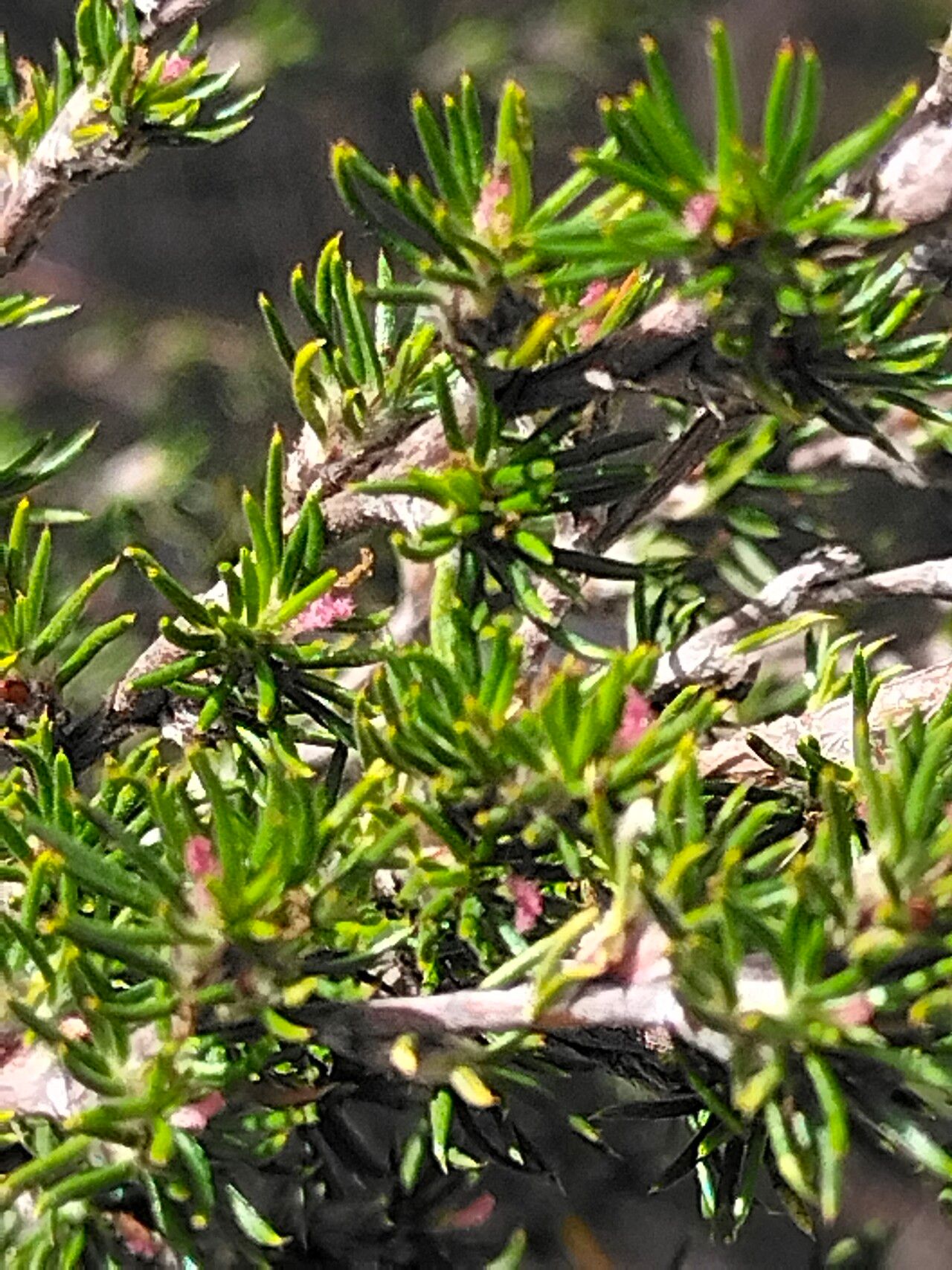
Taming the Wild Beauty: Propagating Cliffortia Stricta
Cliffortia Stricta, also known as the “False Cape Saffron” or “Upright Cliffortia,” captivates with its wild, heath-like charm. This South African native, boasting needle-like foliage and delicate yellow blooms, can add a touch of rugged elegance to any garden. But obtaining this sought-after shrub can be tricky. If you’re up for a rewarding challenge, propagating Cliffortia Stricta at home is achievable with the right know-how.
Two Paths to Propagation:
While Cliffortia Stricta can be a bit temperamental, there are two primary methods you can use to propagate it:
Seed Propagation: This method requires patience, as Cliffortia seeds can be slow to germinate.
- Cutting Propagation: Considered the more reliable method, cuttings offer a faster route to establishing new plants.
Seed Starting – A Test of Patience:
- Seed Collection: Harvest ripe seeds in late summer to early autumn. Look for small, dry capsules on the plant.
- Sowing: In spring, sow seeds in a well-draining seed raising mix. Surface sow, pressing them gently into the medium.
- Patience is Key: Keep the soil consistently moist but not waterlogged. Germination can be erratic, ranging from a few weeks to a few months.
- Transplanting: Once seedlings have developed a strong root system and several sets of true leaves, they can be carefully transplanted into individual pots.
Cutting Edge Success – Propagating from Cuttings:
- Timing is Everything: Take cuttings in late spring or early summer from healthy, non-flowering shoots.
- Cut with Care: Using a sharp, sterilized knife or pruning shears, take cuttings about 3-4 inches long. Make a clean cut just below a leaf node.
- Prep the Cuttings: Remove the lower leaves from the cutting, leaving only a few leaves at the top. Dip the cut end in rooting hormone powder to encourage root development.
- Planting the Cuttings: Plant the cuttings in a well-draining rooting medium, such as a mix of peat moss and perlite.
- Create a Humid Environment: Cover the cuttings with a clear plastic bag or humidity dome to maintain high humidity.
- Monitor and Water: Keep the rooting medium consistently moist but not soggy. Check for root development after 4-6 weeks by gently tugging on the cutting.
- Potting Up: Once roots have developed, carefully transplant the cuttings into individual pots filled with a well-draining potting mix.
Nurturing New Growth:
Regardless of your chosen propagation method, young Cliffortia Stricta require attentive care:
- Sunlight: Provide bright, indirect light, especially during the first year.
- Water: Water regularly, allowing the soil to dry slightly between waterings. Cliffortia Stricta is relatively drought-tolerant once established, but avoid overwatering.
- Fertilizing: Feed with a balanced, diluted fertilizer during the growing season.
Propagating Cliffortia Stricta might require a bit of dedication, but seeing these fascinating plants thrive in your garden makes the effort worthwhile. With a little patience and care, you can enjoy the unique beauty of this South African gem for years to come.