
Unleash Your Inner Green Thumb: Propagating the Healing Clinacanthus Nutans
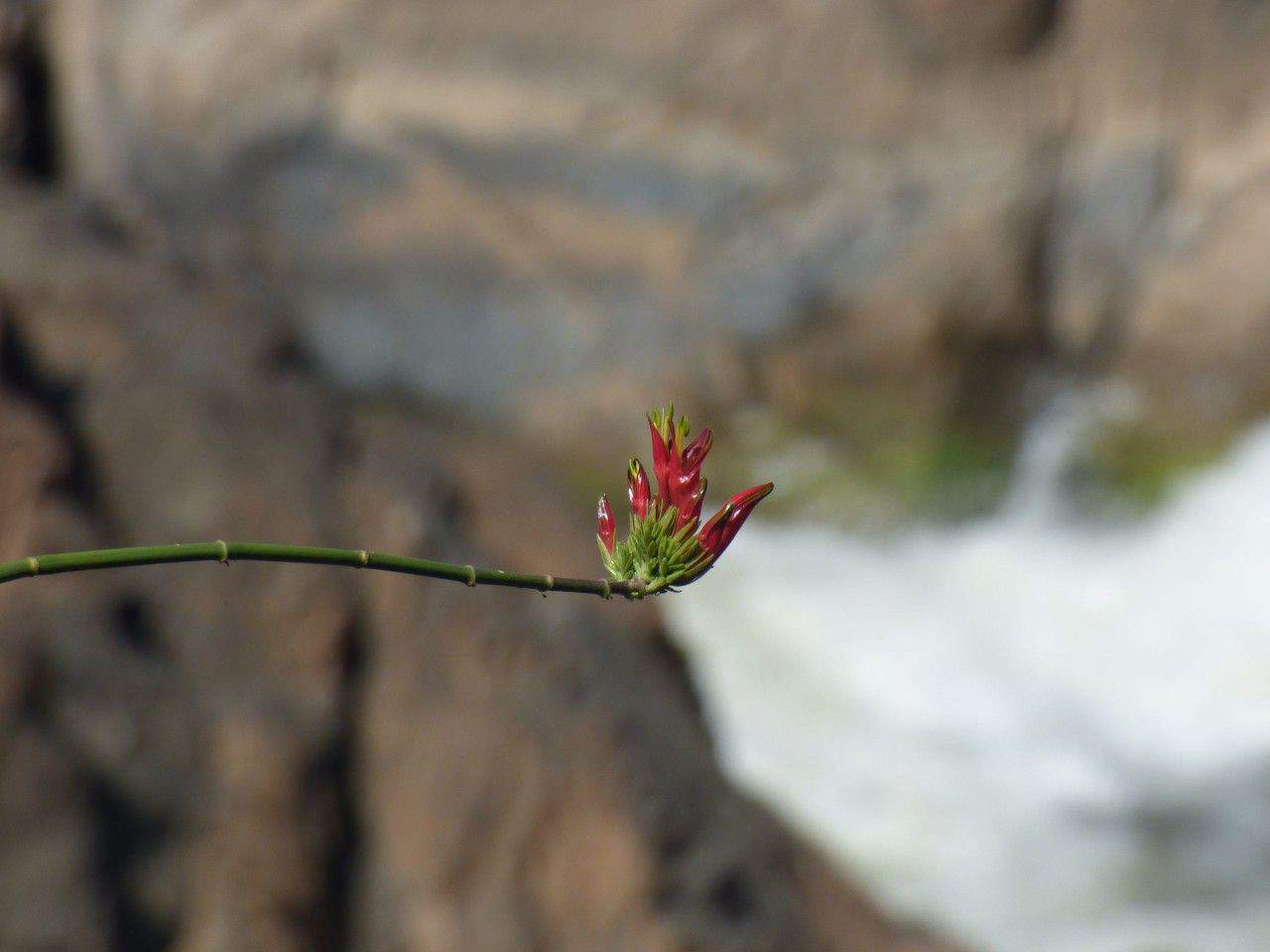
Clinacanthus nutans, also known as Sabah snake grass or "belalai gajah" in Malay, is more than just a pretty face in the garden. This Southeast Asian native boasts vibrant green leaves and delicate white and red flowers, but its true claim to fame lies in its traditional medicinal properties. Used for centuries to treat ailments from skin rashes to diabetes, it’s no wonder people are eager to propagate this healing herb.
Fortunately, multiplying your Clinacanthus nutans is easier than you might think. This plant readily propagates from cuttings, making it an accessible and rewarding experience for both seasoned gardeners and green beginners.
The Cutting Edge: Two Methods for Propagation
Stem Cuttings: This popular method offers the fastest results and is perfect for beginners. Here’s how:
- Tools of the Trade: You’ll need a sharp, clean pair of pruning shears or scissors, a small pot (approximately 4-6 inches), well-draining potting mix, and a watering can.
- Selecting the Perfect Candidate: Choose a healthy stem from your Clinacanthus nutans plant. The stem should be around 4-6 inches long and have at least 2-3 nodes (small bumps where the leaves emerge).
- Making the Cut: Using your sterilized pruning shears, cut the stem just below a node at an angle. Remove any leaves from the bottom third of the cutting.
- Potting Up Your Cutting: Fill your pot with the potting mix, moisten it thoroughly, and create a small indentation in the center. Gently insert the bottom third of the cutting into the hole, ensuring the nodes are buried.
- Creating the Ideal Environment: Place the pot in a warm, bright location, but out of direct sunlight. Keep the soil consistently moist but not waterlogged.
- Rooting for Success: In a few weeks, your cutting should develop roots and start producing new growth. You can then transplant it to a larger pot or directly into your garden.
Layering: While a slightly longer process, layering offers a higher success rate for those who want guaranteed results.
- Preparing Your Plant: Select a healthy, flexible stem close to the ground.
- Bending and Burying: Gently bend the stem towards the soil, ensuring the underside of the stem touches the ground. Use a small rock or garden staple to hold the stem in place.
- Encouraging Root Development: Lightly wound the portion of the stem touching the soil by scraping off a small section of the outer layer. You can dust the wounded area with rooting hormone for faster root development.
- Patience is Key: Keep the soil consistently moist and after a few weeks, check for root development by gently tugging on the layered stem. Once you feel resistance, it’s ready to be separated from the mother plant and potted up individually.
Caring for Your New Clinacanthus Nutans Progeny
Clinacanthus nutans thrives in well-draining soil and enjoys partial shade. Water regularly, especially during hot, dry periods. Fertilize every few months with a balanced organic fertilizer to encourage healthy growth and flowering.
From Propagation to Potency
Propagating your Clinacanthus nutans is a rewarding endeavor that allows you to multiply this medicinal marvel and share its benefits with others. With a little patience and these simple techniques, you’ll be well on your way to cultivating a thriving supply of this versatile and valuable plant.