
Unveiling the Secrets of Bluebead Lily Propagation: A Patient Gardener’s Guide
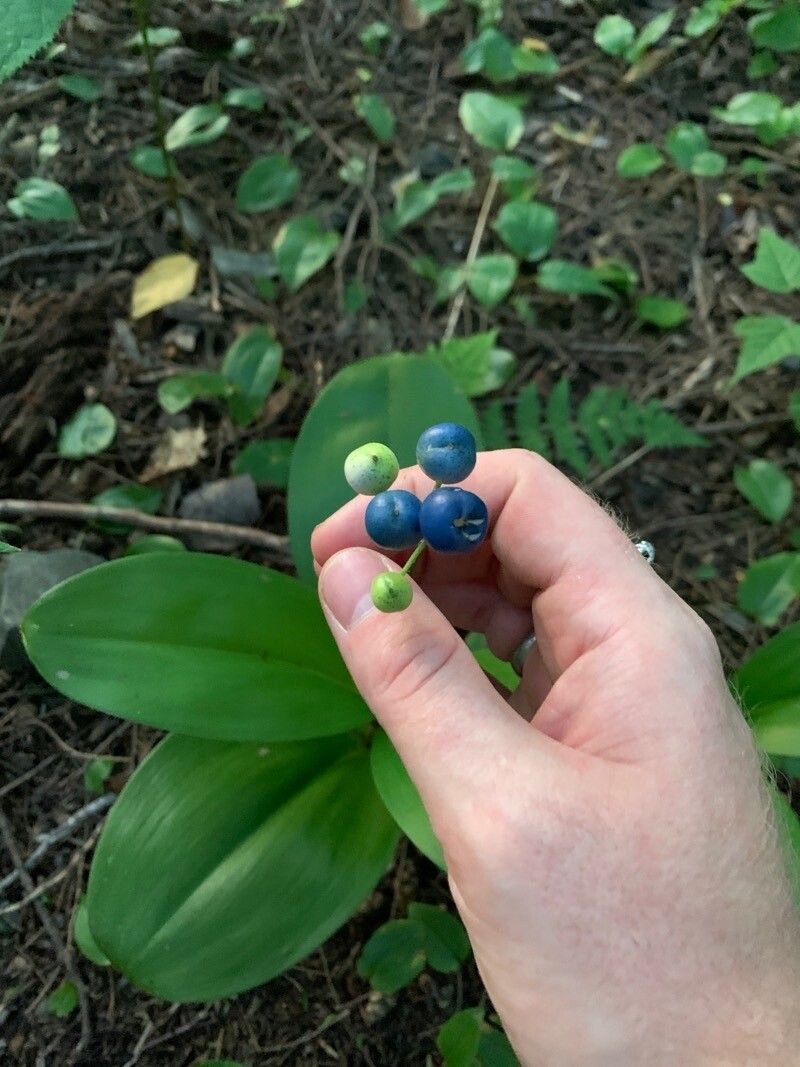
The Clintonia borealis, more affectionately known as the Bluebead Lily, is a sight to behold in its woodland home. This stunning perennial, with its elegant lily-like leaves and delicate yellow flowers that transform into brilliant blue berries, can add a touch of wild beauty to any shade garden. But getting it to thrive there requires a touch of patience and an understanding of its unique propagation methods.
Unlike many garden plants that readily sprout from cuttings or divisions, the Bluebead Lily reproduces primarily through seeds – a process that requires time and dedication. Don’t let this deter you, though! The rewards of nurturing this woodland gem from seed are well worth the wait.
Embarking on the Seed Propagation Journey:
Harvesting and Preparing the Seeds: Collect the mature blue berries in late summer, gently crush them, and wash away the pulp. Inside, you’ll find small, hard seeds. These seeds need a period of cold stratification to break their dormancy and mimic their natural winter cycle. Place the seeds in a moist medium like vermiculite or sand, seal them in a plastic bag, and store them in the refrigerator for at least 90 days.
Sowing the Seeds: Once the cold stratification is complete, it’s time to sow the seeds in late winter or early spring. Choose a seed starting mix that’s well-draining and acidic, mimicking its natural woodland soil. Sow the seeds shallowly, about ¼ inch deep, and maintain a consistent moisture level. Be patient; germination can take anywhere from a few weeks to a couple of months.
- Nurturing the Seedlings: Provide your Bluebead Lily seedlings with dappled shade and consistent moisture. They thrive in cool, humid environments that replicate their natural understory habitat. Overwatering can lead to root rot, so ensure good drainage. As they grow, thin out the weakest seedlings to give the strongest ones ample space.
Beyond Seed: Exploring Other Propagation Methods:
While seed propagation is the most common method, the Bluebead Lily can be propagated through division, although this approach is less reliable and more disruptive to the plant.
- Division: In early spring or fall, carefully dig up an established clump and gently separate the rhizomes (underground stems). Ensure each division has a healthy root system and at least one growth point. Replant the divisions immediately, making sure they are at the same depth as they were originally growing.
A Note on Patience:
Keep in mind that the Bluebead Lily is a slow-growing plant, often taking several years to flower from seed. It prefers to establish a robust root system before putting energy into blooming. Don’t be discouraged if you don’t see flowers immediately – with consistent care and the right conditions, your patience will be rewarded with a beautiful display of delicate blooms and those signature blue beads.
The Beauty of a Woodland Treasure:
Propagating the Bluebead Lily is a labor of love, a testament to the dedication of gardeners who appreciate the subtle beauty of this woodland treasure. While it requires patience and care, the reward of seeing this unique plant flourish in your garden is a testament to the magic of nature and the satisfaction of nurturing life from its very beginnings.