
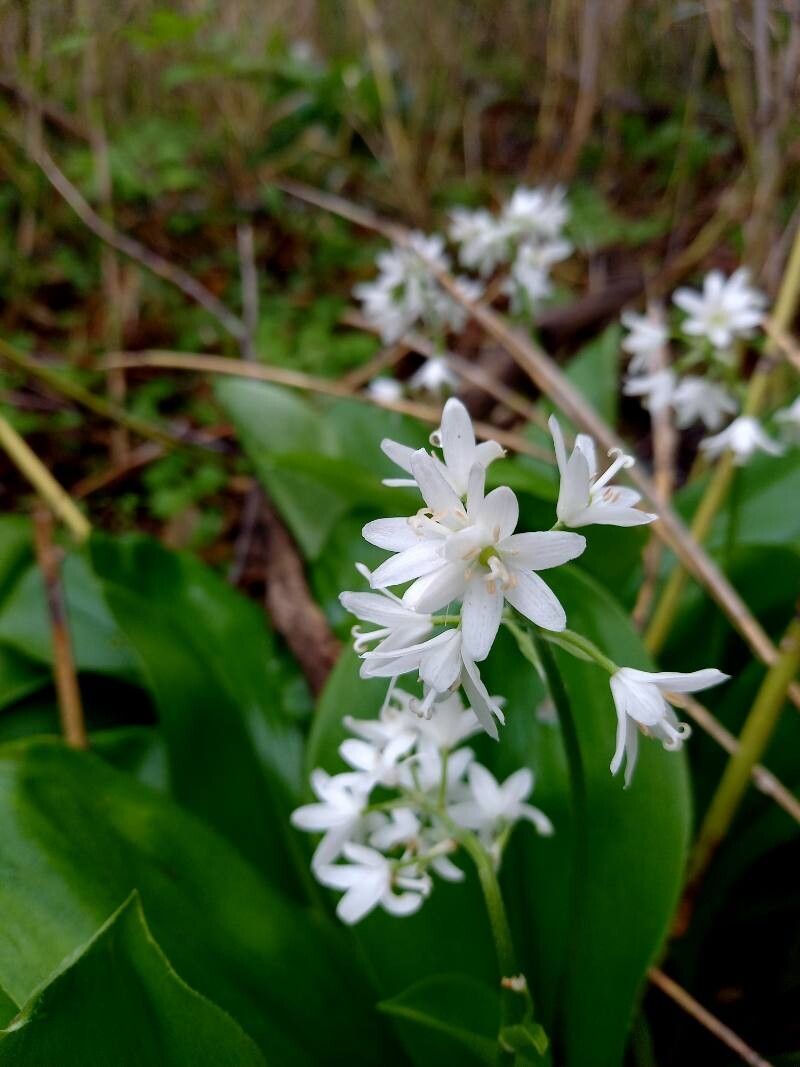
Unveiling the Secrets of Clintonia Udensis: A Propagation Guide for the Dedicated Gardener
Clintonia udensis, also known as the Bluebead Lily or Corn Lily, is a shade-loving perennial prized for its elegant foliage and striking blue berries. Native to woodland areas across North America and Asia, this botanical beauty can be a captivating addition to any shade garden. While commercially available, propagating Clintonia udensis is a rewarding endeavor for the patient gardener seeking to expand their collection or simply deepen their connection with this unique plant.
This guide delves into the two primary methods of propagation for Clintonia udensis:
1. Seed Propagation: A Test of Patience and Precision
Propagating Clintonia udensis from seed is a lengthy process that requires meticulous attention to detail. Here’s how it’s done:
- Seed Collection and Preparation: Collect ripe berries in late summer or early fall. Gently crush the berries and separate the seeds from the pulp. The seeds require stratification, a period of cold treatment mimicking natural winter conditions. Mix the seeds with moist vermiculite or sand and store them in a sealed plastic bag in the refrigerator for at least 3 months.
- Sowing and Germination: In spring, sow the stratified seeds in seed trays filled with a well-draining seed starting mix. Cover the seeds lightly with the mix and keep them consistently moist. Germination is slow and erratic, often taking several months or even a full year.
- Transplanting: Once the seedlings have developed at least two sets of true leaves, they are ready to be transplanted into individual pots or directly into the garden. Choose a shady location with well-drained soil that is rich in organic matter.
2. Division: A Quicker Route to New Plants
Dividing established clumps of Clintonia udensis is a faster method of propagation compared to seeds. Here’s what to keep in mind:
- Timing is Key: Divide Clintonia udensis in early spring before new growth emerges or in the fall after the foliage has died back.
- Dividing the Clumps: Carefully dig up the entire plant clump, ensuring you get as much of the root system as possible. Use a sharp, clean knife or garden spade to divide the clump into smaller sections, each with at least one healthy shoot and a good portion of roots.
- Replanting and Care: Replant the divisions promptly in their new locations, maintaining the same depth as they were originally growing. Water thoroughly and provide consistent moisture until the plants are established.
Patience is Paramount:
Regardless of the propagation method you choose, remember that Clintonia udensis is a slow-growing plant. It may take several years for plants started from seed or division to reach flowering size. However, the reward of these stunning blooms and the satisfaction of successfully propagating this unique plant make the wait worthwhile.
A Note on Conservation:
Clintonia udensis is a sensitive species facing threats due to habitat loss and over-collection. When collecting seeds or dividing plants, always ensure you are doing so from your own garden or a ethically sourced supplier. By propagating your own plants, you contribute to the conservation of this beautiful species for generations to come.