
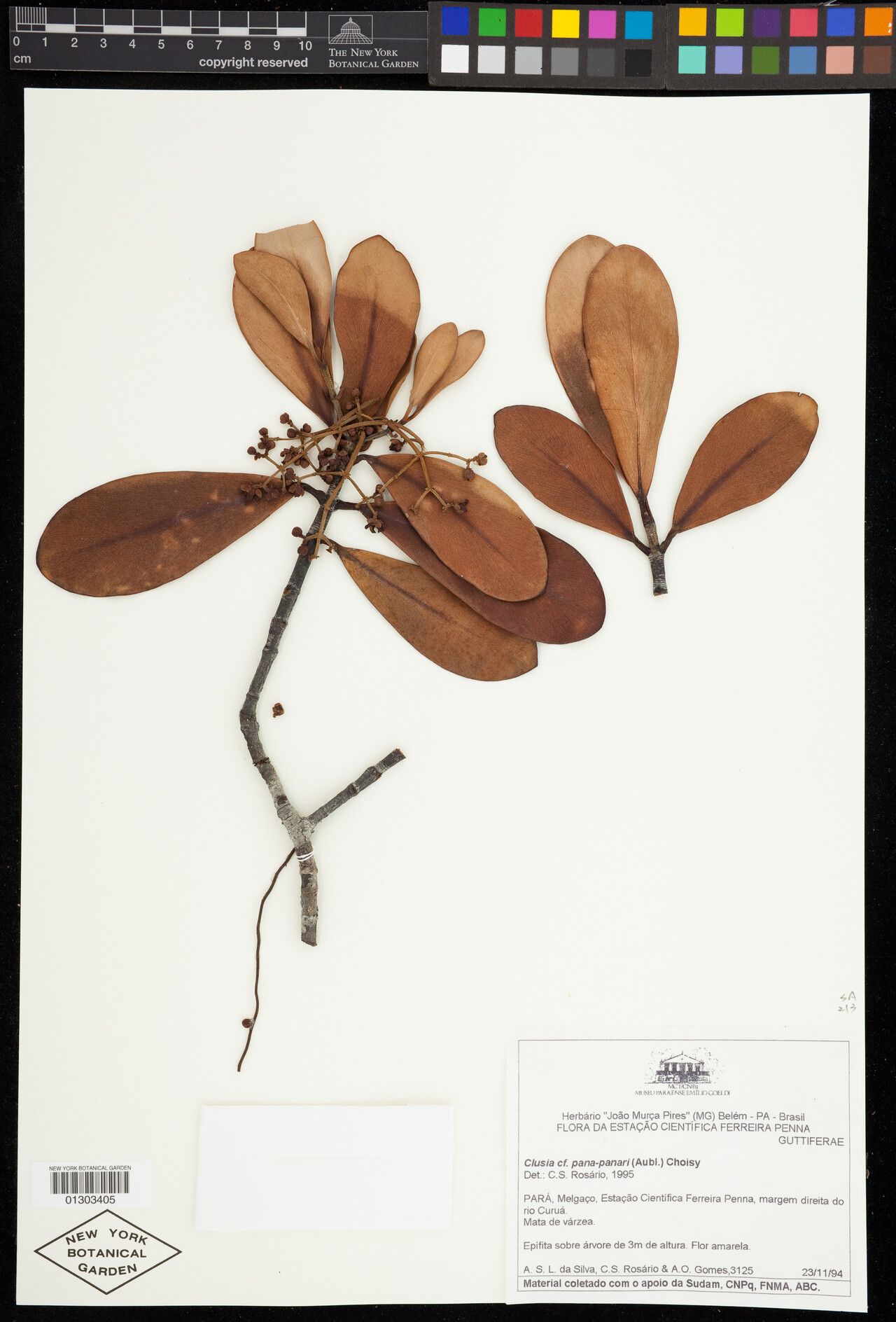
Clusia Lutea: From One Plant to Many – A Guide to Propagation
Clusia lutea, also known as the autograph tree or the wild pineapple, is a captivating plant with its glossy leaves, vibrant flowers, and unique ability to survive harsh environments. But what if you could share this beauty with others, or simply expand your own collection? This is where propagation comes in: the art of creating new plants from existing ones.
This blog post will guide you through the process of propagating Clusia lutea, making it easier than ever to enjoy its charm in multiple locations.
Methods of Propagation for Clusia Lutea
While there are several approaches to propagating Clusia lutea, two methods stand out as particularly effective:
1. Leaf Cuttings:
- The Process: This method involves taking a healthy, mature leaf from your Clusia lutea plant. Remove the leaf from the plant, making a clean, diagonal cut at the base. The next step is to allow the cut end to dry and callous over for a few days. Once calloused, you can dip the cut end in rooting hormone for a boost, then insert it about an inch deep into a well-draining growing medium.
- Tips for Success: Keep the potting mix consistently moist but not soggy. Place the pot in a warm, well-lit area, preferably with indirect sunlight. Be patient! It can take several weeks for roots to develop.
2. Air Layering:
- The Process: This method works best with mature branches. First, select a healthy, vigorous branch and scrape a small section of bark (about an inch long), exposing the cambium layer beneath. Apply rooting hormone to the exposed area. Next, wrap the area with moist sphagnum moss, secured with plastic wrap or aluminum foil. Keep the moss consistently moist. Within a few months, roots should develop. Once established, you can sever the branch below the roots and pot it up as a new plant.
- Benefits: Air layering helps create a strong, well-established root system before the new plant is detached.
Factors for Propagation Success
Several factors can influence the success of Clusia lutea propagation.
- Season: Spring and summer are ideal times for propagation, as plants are generally more vigorous during these periods.
- Light: Adequate sunlight is crucial for successful rooting. Use a bright and indirect light source.
- Moisture: Maintaining a consistent moisture level is key. Avoid overwatering, as this can lead to root rot.
- Temperature: Clusia lutea thrives in warm environments. A temperature range between 70-80 degrees Fahrenheit is ideal.
Tips & Troubleshooting
- Watch for signs of rot: If the leaves start to yellow or wilt, it’s a sign of overwatering. Adjust your watering schedule and allow the soil to dry slightly between waterings.
- Be patient: Propagation can take time, so don’t be discouraged if you don’t see results immediately.
- Experiment: Feel free to experiment with different propagation methods to find what works best for your specific environment and plant.
Final Thoughts
Propagating Clusia lutea is a rewarding experience that allows you to enjoy the beauty of this distinctive plant in new ways. By following these tips and techniques, you can successfully multiply your Clusia lutea collection, creating unique and stunning additions to your home or garden.