
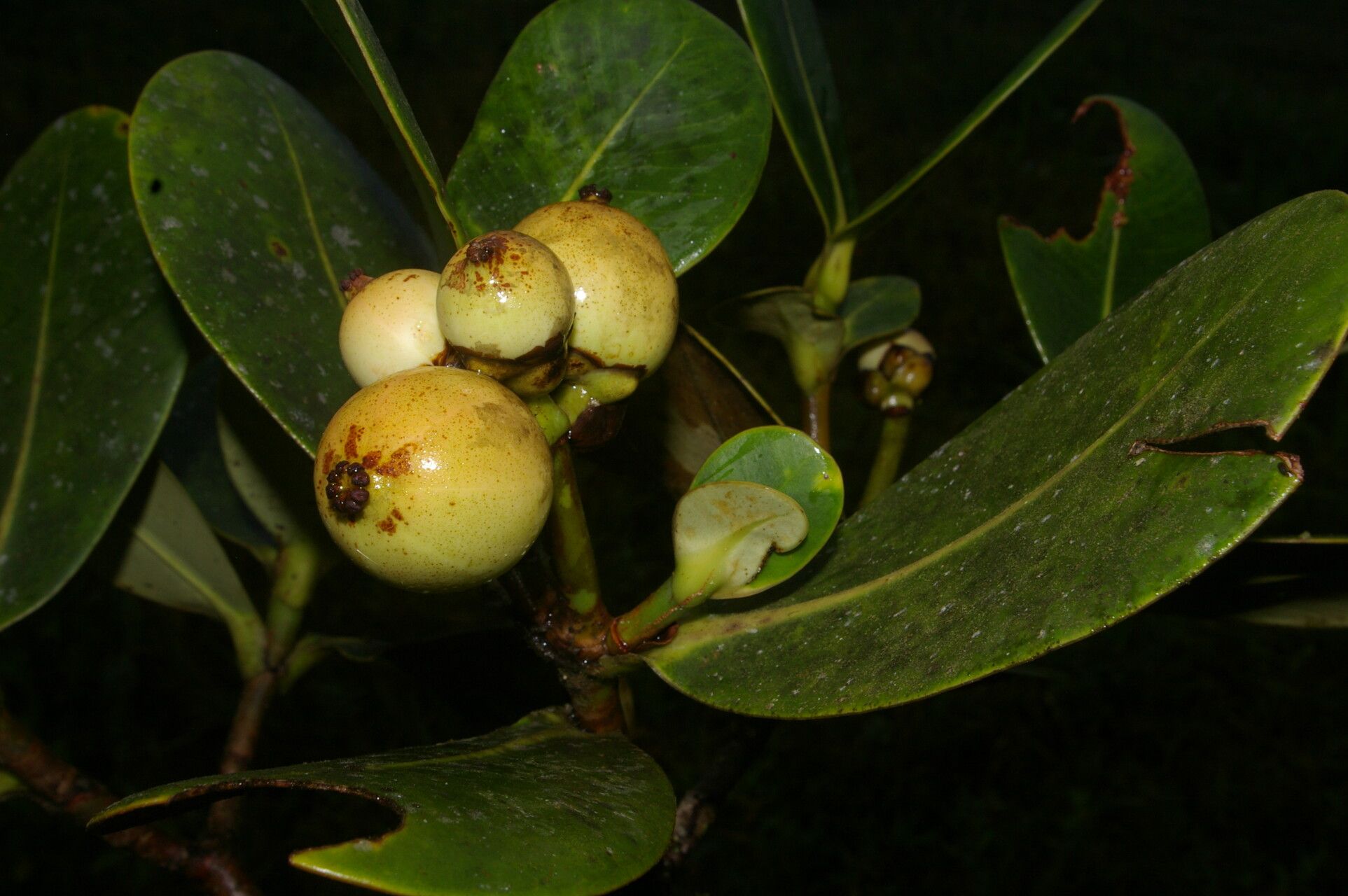
Clusia Multiflora: From Cutting to Thriving Beauty
The Clusia multiflora, also known as the “Autograph Tree” or “Cudweed,” is a striking tropical plant with leathery, evergreen leaves and stunning, fragrant flowers. Its unique ability to thrive in low-light conditions and withstand neglect makes it a popular choice for both indoor and outdoor spaces. But what if you’d like to share this beauty with others? That’s where propagation comes in.
The Power of Propagation:
Propagation is the process of creating new plants from existing ones. For Clusia multiflora, it’s a rewarding venture that allows you to expand your collection, share cuttings with friends, or simply enjoy the satisfaction of growing your own beautiful plants.
Methods of Propagation:
There are two primary methods for propagating Clusia multiflora:
- Stem Cuttings: This is the most common and straightforward method. Here’s what you’ll need::
- Sharp, clean knife or pruning shears: Essential for making clean cuts.
- Rooting hormone: This is optional but can enhance rooting success.
- Potting mix: A well-draining mixture specifically designed for cuttings.
- Container: A small pot or propagation tray with drainage holes.
Step-by-Step Guide for Stem Cuttings:
- Select the Right Cutting: Choose a healthy, mature stem with several nodes (the bumps where leaves grow). Cut it just below a node, ensuring a section at least 4 inches long.
- Prepare the Cutting: Remove any leaves that will be submerged in the potting mix. Optionally, dip the cut end in rooting hormone.
- Planting the Cutting: Fill your pot with potting mix, leaving about an inch of space at the top. Make a hole for the stem cutting and gently insert it, ensuring that at least one node is buried beneath the soil.
- Provide Ideal Conditions: Water the cutting thoroughly and place it in a bright, indirect light location, away from direct sunlight. Maintain consistently moist but not soggy soil.
- Patience is Key: Rooting can take anywhere from a few weeks to a few months. Avoid disturbance during this period.
- Signs of Success: New growth will emerge from the nodes, indicating successful rooting. Once the plant has established itself, you can repot it into a larger container.
Air Layering:
While less common, air layering is another method for Clusia Multiflora propagation. This technique involves stimulating root growth on a stem segment while it’s still attached to the parent plant. This can be beneficial for larger plants where stem cuttings might not be suitable.
Successful Propagation Tips:
- Timing Matters: Spring and summer are the ideal seasons for propagation, when the plant is actively growing.
- Water Wisely: Keep the soil moist but avoid overwatering, which can lead to root rot.
- Patience is Vital: Patience is key when propagating plants. It can take time for cuttings to root and grow into new plants.
- Protect From Pests: Keep an eye out for pests and diseases, and treat them promptly if necessary.
Enjoy the Journey:
Propagating your Clusia multiflora is a rewarding and fulfilling process, even if it takes some time and patience. As you watch your cuttings grow into lush, beautiful plants, you’ll have a fulfilling feeling of accomplishment and be able to share the beauty of this unique plant with others.