
Propagating Clusia spathulifolia: A Gardener’s Guide
Introduction:
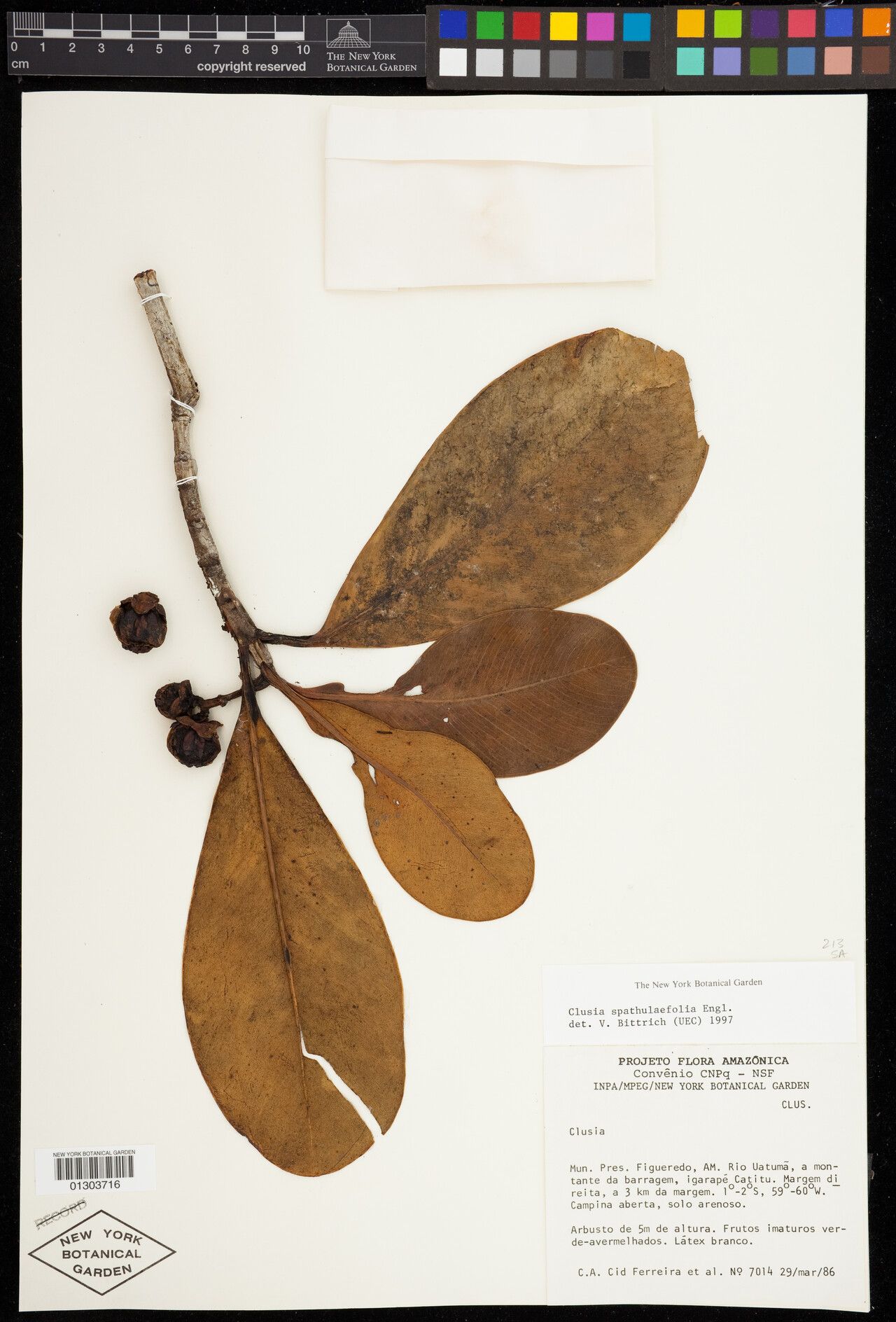
Clusia spathulifolia, often called the "smooth-leaved clusia" or simply "clusia," is a captivating evergreen shrub or small tree prized for its glossy, leathery foliage and attractive, often fragrant, flowers. Native to the Caribbean, its resilience and adaptability have made it a popular choice amongst gardeners in tropical and subtropical climates. However, propagation of Clusia spathulifolia can present some unique challenges, making successful cultivation all the more rewarding. This guide explores several propagation methods, outlining their viability and offering practical tips for success.
Seed Germination:
Currently, there are no known reliable methods for seed germination propagation of Clusia spathulifolia. While seeds may be produced, germination rates are extremely low, and consistent success has not been documented. Further research into specific environmental requirements and potentially pre-treatment techniques (such as scarification or stratification) is necessary to explore the feasibility of this propagation method in the future.
Cuttings:
Cuttings offer a more dependable method for propagating Clusia spathulifolia.
- Challenges: Cuttings can be slow to root, and the success rate is dependent on several factors including the health of the parent plant, the timing of the cutting, and the rooting environment. Rot is also a common problem.
- Practical Tips: Take semi-hardwood cuttings in mid-to-late summer. Cuttings should be 4-6 inches long with several nodes. Remove lower leaves to prevent rotting and dip the cut end in rooting hormone before planting in a well-draining mix (e.g., perlite and vermiculite). Maintain high humidity (using a humidity dome or propagator) and consistent moisture, but avoid overwatering. Root formation can take several weeks to months.
- Rewards: Cuttings provide a relatively quick and reliable way to produce genetically identical plants to the parent, preserving desirable traits.
Division:
Division is not a practical method for propagating Clusia spathulifolia. This plant typically develops a single, main trunk and doesn’t readily produce offsets or suckers suitable for division. Therefore, this method is not recommended.
Tissue Culture:
Tissue culture offers the potential for large-scale propagation of Clusia spathulifolia, overcoming the limitations of other methods.
- Challenges: Tissue culture requires specialized equipment, sterile conditions, and expertise in plant tissue culture techniques. The establishment of aseptic cultures and the subsequent subculturing can be time-consuming and require a precise understanding of nutrient requirements and growth regulators.
- Practical Tips: This method requires a controlled laboratory environment and specialized media formulations. Finding a reputable tissue culture laboratory with experience in propagating woody plants is essential.
- Rewards: This allows for rapid and mass production of genetically uniform plants, potentially creating ideal conditions for commercial propagation or conservation efforts.
Conclusion:
Propagating Clusia spathulifolia presents unique challenges across different methods. While seed germination currently proves unreliable, cuttings offer a more viable approach, albeit with a requirement for patience and attention to detail. Tissue culture stands as the most promising method for large-scale propagation, though it requires specialized resources and expertise. The unique satisfaction in cultivating Clusia spathulifolia stems precisely from conquering these challenges. The glossy leaves and potential for fragrant blooms are a well-earned reward for those dedicated to mastering its propagation. If you’re an aspiring propagator, don’t be discouraged by the complexities – the resilience and beauty of this plant make the journey well worth the effort. Start with cuttings, focusing on maintaining humidity and preventing rot – your success will be sweet.