
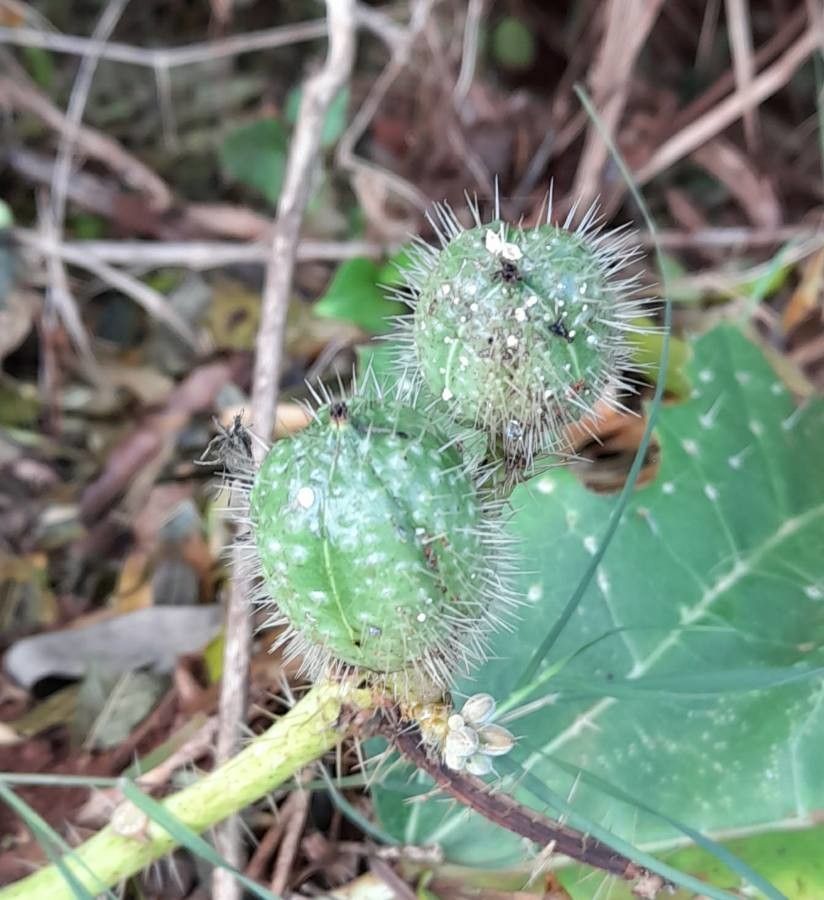
Spreading the Love: A Guide to Propagating the Spotted Spurge (Cnidoscolus albomaculatus)
The Spotted Spurge, known botanically as Cnidoscolus albomaculatus, is a striking succulent with stunning, silver-dappled foliage that brings a touch of the tropics to any space. But beyond its beauty lies a plant that’s surprisingly easy to propagate, making it a perfect candidate for sharing with friends or expanding your own collection.
The Power of Cuttings
The most common and successful method for propagating the Spotted Spurge is through stem cuttings. This technique is surprisingly simple and accessible, even for beginner plant parents. Here’s what you’ll need:
- A healthy, mature Spotted Spurge: Choose a plant that’s thriving, free of pests or diseases.
- Sharp, clean knife or pruning shears: Sharp tools prevent damage and ensure clean cuts.
- Propagating medium: You can use seed starting mix, perlite, or a mixture of both.
- Container: Choose a pot with drainage holes and fill it with your chosen medium.
- Optional: Rooting hormone: This helps to boost root development but isn’t essential.
Time for Action:
- Select your cutting: Choose a healthy stem with at least two nodes (the points where leaves grow). Ideally, the stem should be about 4-6 inches long.
- Make the cut: Use your sharp tools to make a clean cut just below a node. Make sure to cut at a 45-degree angle for optimal root development.
- Remove leaves: Remove the leaves from the bottom two nodes to prevent rot.
- Let the cutting dry: Allow the cut end of the stem to callus over for a few days. This will help prevent rotting when you place it in the soil.
- Plant the cutting: Dip the callused end of the stem in rooting hormone, if using, then insert it into the prepared pot, making sure to cover the node with soil.
- Water and wait: Gently water your cutting, ensuring it’s moist but not soggy. Place the pot in a bright location with indirect sunlight (avoid direct sun).
- Patience is key: Be patient! It can take several weeks for roots to develop. Maintain moderate moisture and don’t overwater.
- Signs of success: You’ll know your cutting has rooted when you see new growth emerging from the top. Once this happens, you can gradually introduce the young plant to more sunlight and treat it like any mature Spotted Spurge.
Beyond Cuttings: Exploring Alternatives
While stem cuttings are the most popular method for propagating Cnidoscolus albomaculatus, some adventurous plant enthusiasts explore other techniques:
- Seed propagation: While the seeds are often available, they can take longer to germinate compared to cuttings.
- Air layering: This method allows roots to develop on a stem while still attached to the parent plant, offering a unique approach to propagation.
Tips for Success
The Spotted Spurge is relatively easy to propagate, but here are a few tips to maximize your chances of success:
- Consistent moisture: Keep the potting mix consistently moist but not waterlogged.
- Suitable temperature: Optimal rooting occurs at temperatures between 70°F and 80°F.
- Light exposure: Indirect sunlight is best for rooting. Avoid direct sun that can scorch the delicate new growth.
Embrace the Joy of Propagation
Propagating the Spotted Spurge is a rewarding experience that allows you to share the beauty of this unique plant with others. Whether you’re expanding your own collection or gifting a piece of your green oasis, the process is surprisingly simple and allows you to connect with the wonders of the plant world. So, why not give it a try and enjoy the satisfaction of creating new life?