
Propagating the Cup-and-Saucer Vine (Cobaea scandens): A Gardener’s Guide
Introduction
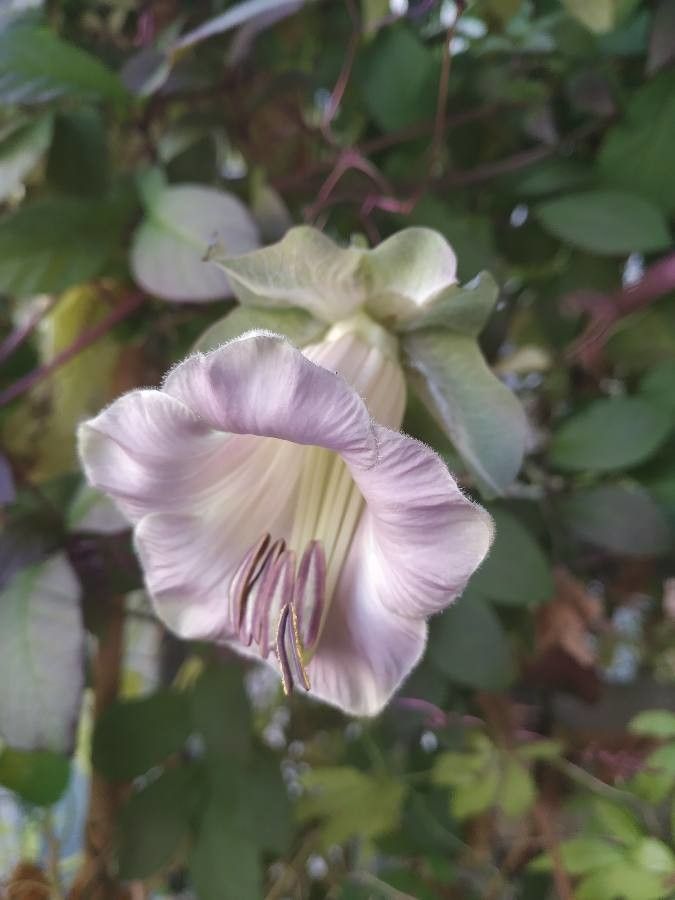
Cobaea scandens, commonly known as the Cup-and-Saucer Vine, is a captivating climbing plant prized for its bell-shaped flowers which transition from green to purple. Its rapid growth and dramatic floral display make it a popular choice among gardeners, particularly for covering fences, walls, or trellises. However, propagation can present some challenges, making successful cultivation all the more rewarding. This article explores various methods for propagating Cobaea scandens, highlighting their viability and associated difficulties.
Seed Germination
Seed germination is a viable method for propagating Cobaea scandens, but it is not always straightforward.
Challenges: Cobaea scandens seeds can exhibit low germination rates and inconsistent results. Seed viability can decline rapidly after harvesting.
Practical Tips: Sow seeds indoors in spring, approximately 6-8 weeks before the last expected frost. Use a well-draining seed-starting mix and cover seeds lightly with soil. Maintain consistently moist (but not waterlogged) conditions and warm temperatures (around 20-24°C). While stratification (a period of cold treatment) isn’t strictly necessary, some gardeners find success with a brief period (4-6 weeks) of chilling moist seeds before sowing, potentially improving germination rates.
Rewards: Seed germination offers the greatest genetic diversity, providing the potential for new and unique variations. It’s also a relatively inexpensive method suitable for large-scale propagation.
Cuttings
Propagating Cobaea scandens from cuttings is a more reliable method than seed germination.
Challenges: Semi-hardwood cuttings are generally preferred, requiring careful selection of healthy stems. Rooting can be slow and inconsistent, requiring attention to humidity and temperature.
Practical Tips: Take 8-10 cm long stem cuttings in summer from non-flowering side shoots. Remove lower leaves and dip the cut ends in a rooting hormone powder. Plant cuttings in a well-draining rooting medium, keeping consistently moist under high humidity (e.g., using a propagator or plastic bag). Maintain a warm temperature (around 18-21°C).
Rewards: Cuttings produce plants that are genetically identical to the parent plant, preserving desirable traits. This method is relatively quick compared to seed propagation once a cutting successfully roots.
Division
Division is generally not a practical method for propagating Cobaea scandens. This vine is not a clump-forming plant in a way that easily lends itself to division. Attempts at separating the root system are likely to result in significant damage to the plant and low success rates.
Tissue Culture
Tissue culture propagation for Cobaea scandens is possible but requires specialized equipment, sterile conditions, and expertise in plant tissue culture techniques. It is not a practical method for the average home gardener.
Challenges: Establishment of sterile cultures, precise nutrient media composition, and maintaining sterile conditions are complex tasks requiring specialized equipment and training.
Practical Tips: This method is best left to professional nurseries or research laboratories.
Rewards: Rapid and large-scale propagation of genetically identical plants. High success rate compared to other methods.
Conclusion
Successfully propagating Cobaea scandens can be a challenging yet rewarding endeavor. While seed germination offers genetic diversity but potentially lower success rates, cuttings present a more reliable albeit slower method for the home gardener. While division is impractical, tissue culture remains a viable option for large-scale propagation requiring specialized knowledge. The satisfaction of nurturing a plant from a seed or cutting, particularly one as strikingly beautiful as the Cup-and-Saucer Vine, makes the effort worthwhile. Don’t be discouraged by initial setbacks; persevere with patience and attention to detail, and you’ll soon be enjoying the abundant blooms of your successfully propagated Cobaea scandens.