How to Propagate Coccinia mildbraedii
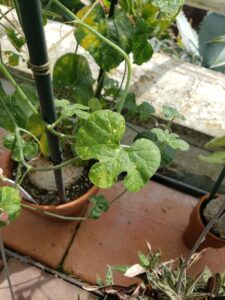
Unlocking the Secrets of Coccinia mildbraedii: A Propagation Guide
Coccinia mildbraedii, also known as the ivy gourd, is a fascinating and vigorous vine prized for its ornamental and edible qualities. Native to tropical Africa, this climbing marvel boasts beautiful, star-shaped white flowers that transform into vibrant, scarlet berries. Whether you’re an experienced gardener or a curious novice, propagating Coccinia mildbraedii can be a rewarding experience, allowing you to expand your garden’s beauty and bounty.
This comprehensive guide explores the two primary propagation methods:
1. Seed Propagation:
-
Seed Collection: Coccinia mildbraedii fruits ripen to a bright red, signaling the presence of mature seeds. Gently squeeze the berries to check for softness, then extract the seeds. Wash away any clinging fruit pulp and allow them to air dry completely before storing them in a cool, dry place.
-
Sowing: Begin by lightly scarifying the seeds. This involves gently rubbing them between two pieces of sandpaper to nick the outer coating, encouraging quicker germination. Sow the seeds in a well-draining seed-starting mix, covering them lightly with soil.
-
Optimal Conditions: Place the seed tray in a warm, bright location, but avoid direct sunlight which can be harsh on young seedlings. Keep the soil consistently moist but not waterlogged.
- Germination: With patience, you’ll observe germination within 2-4 weeks. Once the seedlings develop a few sets of true leaves, they can be transplanted into larger containers or directly into the garden once the danger of frost has passed.
2. Propagation from Cuttings:
-
Taking Cuttings: Coccinia mildbraedii readily propagates from stem cuttings. During the growing season, select healthy, non-flowering stems. Using a clean, sharp knife or pruning shears, take cuttings approximately 4-6 inches long, making a cut just below a leaf node.
-
Preparing the Cuttings: Remove the bottom leaves from the cut end, leaving 2-3 leaves at the top. This minimizes water loss and encourages root development. Dipping the cut end in rooting hormone powder (though optional) can further enhance the rooting process.
-
Planting and Care: Insert the cuttings into a well-draining potting mix, burying at least two leaf nodes. Water thoroughly and maintain consistent moisture. A humidity dome or covering the pot with a plastic bag can help create a warm, humid environment for optimal rooting.
- Root Development: Within 4-6 weeks, the cuttings should develop a robust root system. You can test for root development by gently tugging on the cutting. Resistance indicates established roots. Once rooted, the cuttings can be transplanted into individual pots or outdoors in a well-prepared bed.
Essential Tips for Success:
- Well-draining soil: Coccinia mildbraedii thrives in loose, well-draining soil that prevents waterlogging and root rot.
- Ample sunlight: While tolerant of partial shade, providing at least 6 hours of sunlight will ensure optimal growth and flowering.
- Regular watering: Water regularly, especially during dry spells, but avoid overwatering.
- Support Structure: Being a vigorous climber, provide sturdy supports like trellises, fences, or arbors for the vine to climb and spread.
Propagating Coccinia mildbraedii, whether from seed or cuttings, is a relatively straightforward process. By following these tips and providing the right care, you can successfully cultivate this intriguing vine, adding a touch of tropical beauty and a hint of exotic flavor to your garden.