
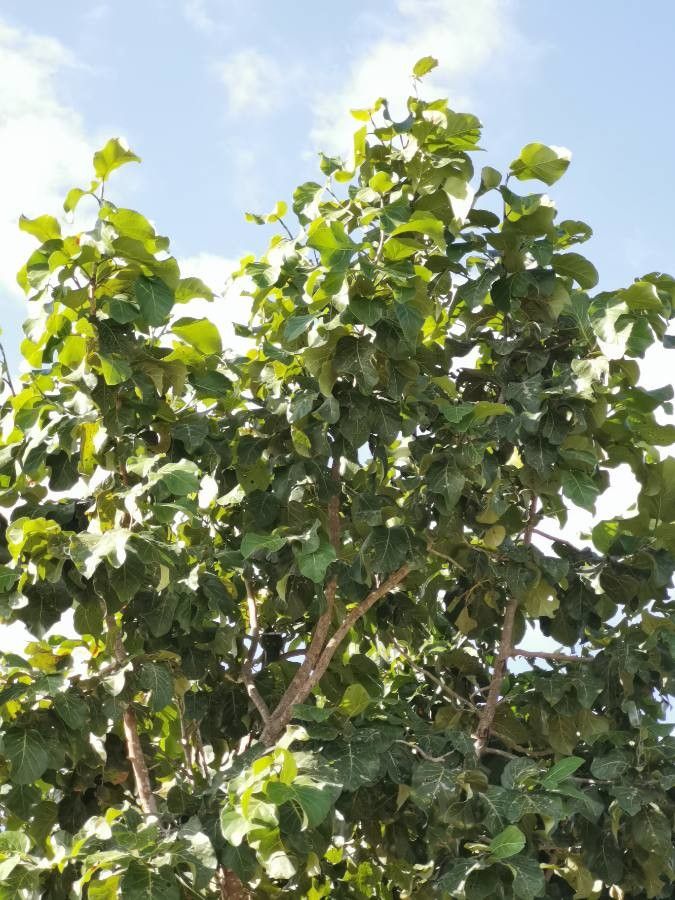
Propagating Coccoloba spicata: A Gardener’s Guide to the Seagrape Relative
Coccoloba spicata, commonly known as the Pigeon Plum or Spiked Seagrape, is a fascinating evergreen shrub or small tree prized for its attractive foliage, fragrant flowers, and edible fruit. Native to the Caribbean and parts of Central and South America, it’s gaining popularity among gardeners for its adaptability and ornamental value, particularly in tropical and subtropical climates. However, propagating this species can present unique challenges. Its relative rarity in cultivation compared to its better-known cousin, the Seagrape (Coccoloba uvifera), means reliable propagation information is scarce.
Seed Germination:
Currently, there are no known reliable methods for seed germination propagation of Coccoloba spicata. While seeds are produced, their germination rate is notoriously low, and achieving successful germination consistently has proven elusive. Further research is needed to determine optimal conditions for germination, such as specific stratification requirements or specific pre-sowing treatments.
Cuttings:
Cuttings offer a more promising avenue for propagating Coccoloba spicata.
Challenges: Rooting success can be slow and inconsistent. The optimal time for taking cuttings (likely during the warmer months) needs further investigation.
Practical Tips: Semi-hardwood cuttings, taken from actively growing shoots in spring or summer, show the most promise. Use a rooting hormone and a well-draining propagation mix. Maintain high humidity using a humidity dome or propagation tray. Bottom heat can aid root development.
Rewards: Cuttings provide a faster and more reliable method than seed germination for producing genetically identical plants to the parent plant. This is valuable for preserving desirable traits.
Division:
Division is not a viable method for propagating Coccoloba spicata. This plant does not readily form suckers or offsets that can be easily separated and replanted.
Tissue Culture:
Tissue culture offers potential for large-scale propagation of Coccoloba spicata, overcoming the limitations of other methods. However, protocols specifically for this species haven’t been widely published.
Challenges: Establishing sterile cultures and developing optimal growth media formulations requires specialized knowledge and equipment.
Practical Tips: Researching existing tissue culture protocols for related species within the Polygonaceae family could provide a starting point.
Rewards: Tissue culture offers the potential to mass-produce genetically uniform plants, crucial for commercial propagation or conservation efforts. It could also contribute to safeguarding the genetic diversity of this species.
Conclusion:
Propagating Coccoloba spicata presents significant challenges, with seed germination proving unreliable at this time. Cuttings offer the most accessible method for hobbyists, albeit requiring patience and skill. Tissue culture holds the greatest potential for large-scale propagation, but its implementation needs further research and development. The rewards, however, are significant: successfully propagating this beautiful and relatively rare plant offers a unique sense of accomplishment. The challenge inherent in its propagation only adds to the satisfaction of cultivating a healthy Pigeon Plum, a testament to the grower’s perseverance and skill. Aspiring propagators are encouraged to experiment with cuttings, refining their approach based on observation and careful record-keeping, and to consider collaborating with horticultural researchers to expand the available knowledge on this fascinating plant.