
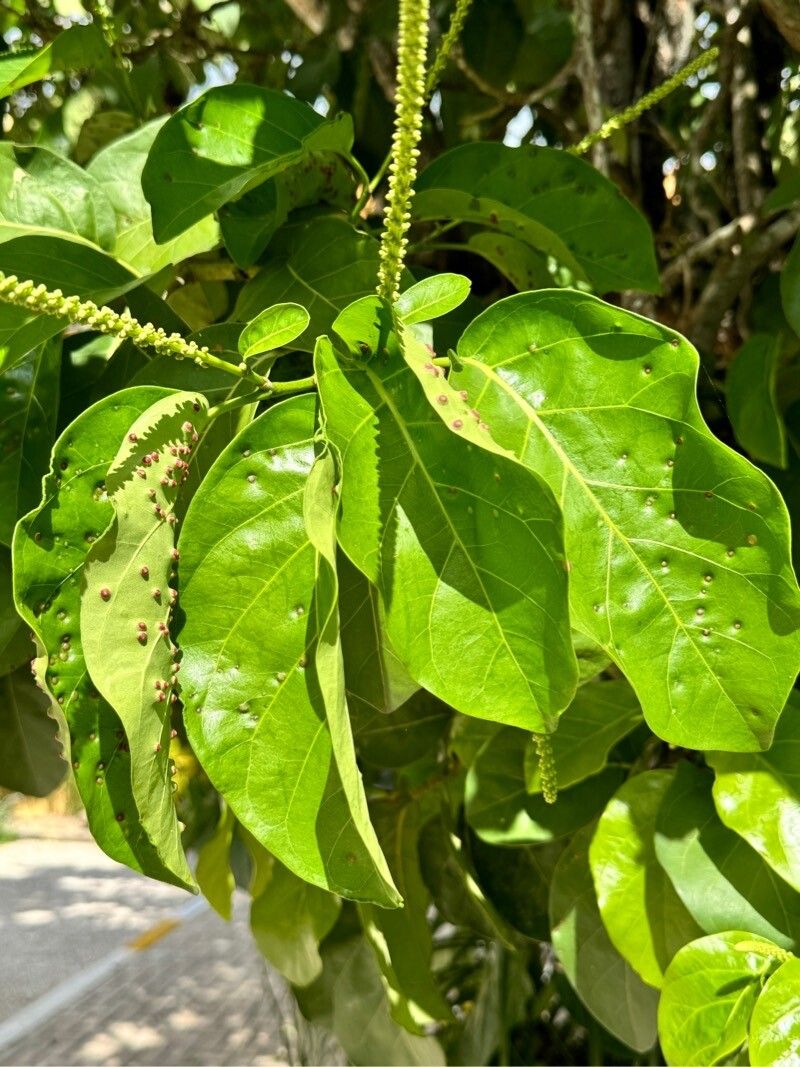
Unlocking the Secrets of Sea Grape Propagation: A Guide to Growing Coccoloba venosa
The Sea Grape, or Coccoloba venosa, is a captivating plant with its large, leathery leaves and unique, grape-like fruit clusters. Native to coastal regions, this hardy species adds a touch of tropical elegance to landscapes and gardens. While admired for its beauty and resilience, many enthusiasts wonder about the best ways to propagate sea grapes and welcome more of these stunning plants into their lives. Fear not, fellow plant lovers, for we’re about to delve into the fascinating world of Coccoloba venosa propagation!
Propagation Power: Seeds vs. Cuttings
The Sea Grape offers two primary paths to propagation:
1. Seed Propagation: Embracing the Journey of Patience
Those who find joy in nurturing a plant from its earliest stages will appreciate growing Coccoloba venosa from seed. Here’s a step-by-step guide:
- Seed Collection: Look for ripe, purplish-black sea grape fruits. Extract the seeds, ensuring they’re clean and free from any fruit pulp.
- Pre-treatment (Optional): Soaking the seeds in warm water for 24 hours can help soften the outer shell and encourage germination.
- Sowing: Choose a well-draining potting mix. Sow seeds about an inch deep, keeping the soil consistently moist but not waterlogged.
- Patience is Key: Germination can take anywhere from a few weeks to several months. Provide warmth, humidity, and indirect light during this stage.
2. Propagation from Cuttings: A Faster Route to Success
If you’re seeking quicker results, propagating from cuttings is ideal:
- Timing is Everything: Spring or early summer is the optimal time to take cuttings, as the plant is actively growing.
- Selecting the Perfect Cuttings: Choose healthy, semi-hardwood stems that are about 4-6 inches long.
- Preparing the Cuttings: Remove leaves from the lower half of the cutting. A light scoring or wounding of the cut end can facilitate root development.
- Rooting Hormone (Optional): Dipping the cut end in rooting hormone powder can increase the chances of successful rooting.
- Planting the Cuttings: Insert the prepared cuttings into a well-draining potting mix, ensuring at least a couple of nodes are buried.
- Creating a Humid Environment: Cover the pot with a clear plastic bag or use a humidity dome to retain moisture and encourage rooting.
- Patience, Once Again: Rooting can take 4-8 weeks. Once new growth appears, you’ll know your cuttings have successfully established roots.
Caring for Your New Sea Grape Progeny
Once your seedlings or cuttings have developed a strong root system, it’s time to give them the care they need to thrive:
- Sunlight: Sea Grapes adore sunshine! Choose a location that receives at least 6 hours of direct sunlight daily.
- Watering: Water regularly, especially during the first year. Allow the soil to dry slightly between waterings to prevent root rot.
- Soil: Well-draining soil is crucial. Sandy or loamy soil types are ideal.
- Fertilizer: Feed your Sea Grapes during the growing season (spring and summer) with a balanced, slow-release fertilizer.
Propagating Success – A Rewarding Endeavor
Propagating Coccoloba venosa might require some patience and dedication, but the rewards are truly gratifying. Whether you choose to begin from seed or experiment with cuttings, you’ll be participating in the continuation of a remarkable species. So, embrace the journey, enjoy the process, and soon, you’ll be basking in the shade of your very own, home-propagated Sea Grape.