
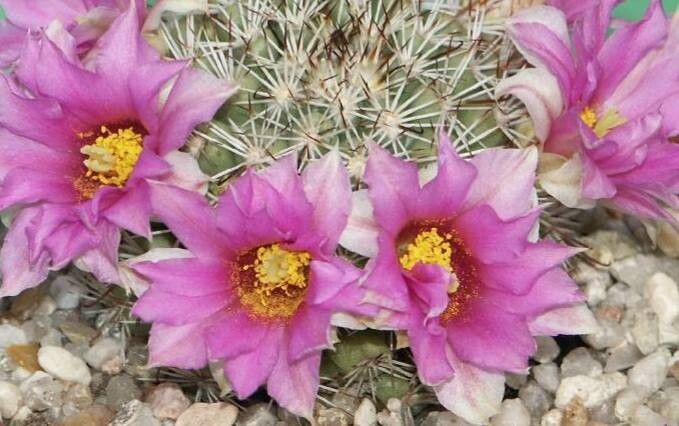
Propagating the Rare Beauty: Cochemiea schumannii
Introduction:
Cochemiea schumannii, also known as the fishhook cactus, is a captivating succulent prized for its striking, densely-spined stems that curve in a distinctive fishhook shape. Its relatively small size and unique appearance have made it a highly sought-after plant among cactus enthusiasts. However, its rarity in cultivation presents a unique challenge for propagation, making successful reproduction a rewarding experience for the dedicated gardener. This article explores various propagation methods for Cochemiea schumannii, weighing their viability, challenges, and rewards.
Seed Germination:
Currently, there are no known reliable methods for seed germination propagation of Cochemiea schumannii. While seeds may be obtainable, germination rates are extremely low, even under optimized conditions. Factors such as dormancy mechanisms specific to this species, precise temperature and humidity requirements, and susceptibility to fungal diseases significantly hinder successful germination. Further research into specialized germination techniques could potentially unlock this method in the future.
Cuttings:
Cuttings present a more viable, albeit challenging, method for propagating Cochemiea schumannii.
Challenges: The fishhook cactus’s woody stems can be difficult to root. The cutting must be taken from healthy, mature growth, and even then, rot is a considerable risk. Success heavily depends on providing extremely well-draining substrate and precise watering to avoid overwatering.
Practical Tips: Use a sharp, sterile knife or blade to take cuttings, ensuring a clean cut. Allow the cuttings to callus over for several days to a week before planting in a well-draining cactus potting mix. Bottom heat can aid rooting; use a heat mat set to around 70-75°F (21-24°C). Keep the cuttings in a bright but shaded location and mist sparingly until roots have formed (this can take several weeks to months).
Rewards: Successful rooting via cuttings offers a quicker propagation method compared to seed germination, producing genetically identical plants to the parent.
Division:
Division is generally not a practical method for propagating Cochemiea schumannii. This species typically grows as a single stem or with few offsets, limiting the opportunities for division. Forcing division can severely damage the parent plant, often leading to its demise.
Tissue Culture:
Tissue culture offers the potential for large-scale propagation of Cochemiea schumannii, bypassing the challenges of seed germination and cuttings.
Challenges: Tissue culture requires specialized equipment, a sterile environment, and a high level of technical expertise. The establishment of sterile cultures from this particular species may prove difficult due to potential contamination issues. The development of optimal media formulations for growth and multiplication will also require significant experimentation.
Practical Tips: Professional laboratories specializing in cactus tissue culture are best equipped to handle this method.
Rewards: Large-scale propagation through tissue culture allows for the rapid production of numerous genetically identical plants, suitable for conservation efforts or commercial production.
Conclusion:
Propagating Cochemiea schumannii presents unique challenges across all methods. While seed germination currently proves unreliable, cuttings offer a more realistic approach, demanding patience and precise techniques. Tissue culture holds the greatest potential for large-scale propagation but requires specialized expertise and resources. The rewards, however, are significant: the unique satisfaction of nurturing this rare beauty from a cutting, expanding your collection, or contributing to its conservation, outweighs the difficulties. Remember, meticulous care, attention to detail, and perseverance are key to success in cultivating this captivating fishhook cactus. Don’t be discouraged by initial setbacks – the triumph of witnessing a new plant thrive from a tiny cutting or a successfully rooted cutting will be incredibly rewarding.