
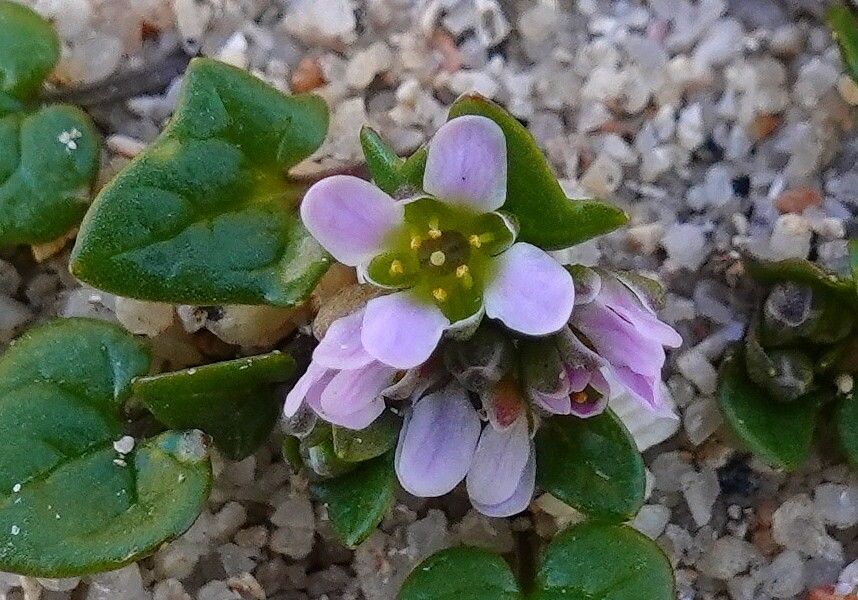
Sowing Success with Scurvygrass: A Guide to Propagating Cochlearia Danica
Cochlearia danica, better known as scurvygrass, is an unassuming little plant with an impressive history and surprising versatility. This rapidly growing, salt-tolerant plant was a lifesaver for sailors battling scurvy, thanks to its high vitamin C content. Today, it’s making waves in gourmet salads and adding a unique, peppery bite to culinary creations. If you’re intrigued by this remarkable plant, you might wonder – how can I welcome scurvygrass into my own garden? Luckily, propagating Cochlearia danica is a relatively simple process, achievable through both seeds and cuttings.
Seeds: Sowing the Seeds of Success
Timing is Everything: The ideal time to sow scurvygrass seeds is in early spring or late summer. These periods offer the cool, moist conditions that this plant loves.
Prepare Your Seed Bed: Choose a location with full sun or partial shade. Scurvygrass thrives in well-drained soil, and while it tolerates a range of conditions, a slightly alkaline pH is ideal.
Sow Seeds Shallow: Scatter the seeds thinly over the soil surface, lightly pressing them in. Scurvygrass seeds need light to germinate, so avoid burying them too deep.
Keep it Moist, Not Soggy: Water gently after sowing and maintain consistent moisture throughout the germination period, which usually takes 1-2 weeks.
- Thinning for Strong Growth: Once seedlings emerge, thin them out to create space for healthy development. Aim for a final spacing of about 6 inches apart.
Cuttings: Clones of Flavor
Propagation through cuttings offers a quicker method to obtain mature plants, and it ensures you’ll replicate the characteristics of the parent plant perfectly.
The Right Time: The best time for taking cuttings is late spring or early summer, when the plant is actively growing.
Choose Healthy Shoots: Select healthy, non-flowering stems about 3-4 inches long. Make a clean cut just below a leaf node (where the leaf joins the stem).
Prepare the Cuttings: Remove the lower leaves from the cutting, leaving only a few at the top. This focuses the plant’s energy on root development.
Potting Up: Fill small pots with a well-draining potting mix. Make a hole in the center of each pot and carefully insert the cutting, ensuring the leaf nodes are buried.
Humidity is Key: Cover the pots with a clear plastic bag or use a propagator to maintain high humidity around the cuttings. This encourages root growth.
- Patience is a Virtue: It may take several weeks for cuttings to root. Once new growth appears, you can gradually acclimate them to normal humidity levels before transplanting them to their final location in the garden.
Scurvygrass: A Rewarding Addition to Your Garden
Whether you choose to start from seed or cuttings, Cochlearia danica is an incredibly rewarding plant to grow. Not only will you be rewarded with its delicate white flowers and vibrant green foliage, but you’ll also have a fresh, peppery addition to your salads and dishes. With a little effort and these simple propagation techniques, you can enjoy the unique flavor and historical significance of scurvygrass in your own backyard.