
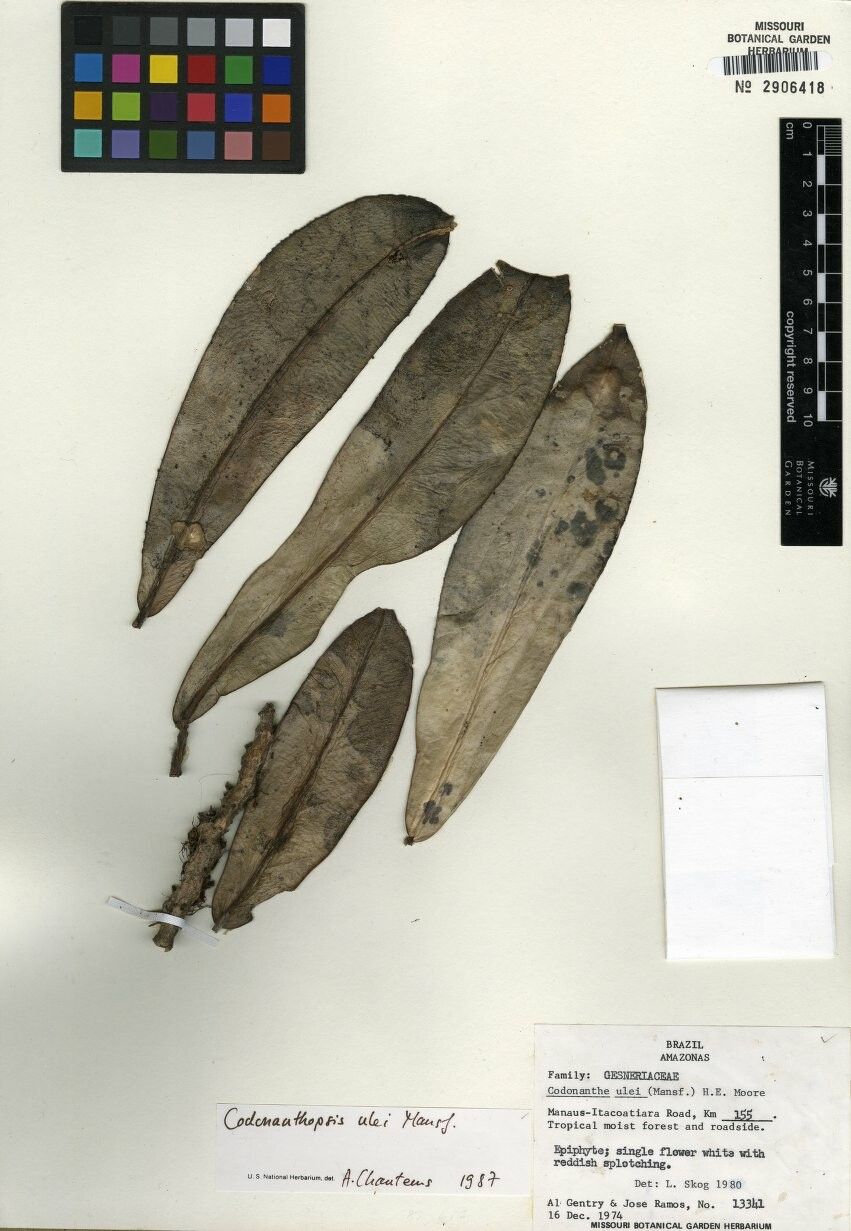
Unveiling the Secrets of Codonanthopsis Ulei Propagation: A Guide to Multiplying Your Miniature Rainforest Gem
Codonanthopsis ulei, a name that might sound like a mouthful, actually belongs to a charming, miniature epiphytic plant native to the Brazilian rainforests. With its delicate, trailing foliage and enchanting, bell-shaped blooms, it’s no wonder this plant is becoming increasingly popular among houseplant enthusiasts.
While caring for a Codonanthopsis ulei is generally straightforward, propagating this species can seem a bit daunting for some. Fret not, plant lovers! This guide will demystify the propagation process, equipping you with the knowledge and confidence to multiply your own miniature rainforest jewels.
Understanding Codonanthopsis Ulei
Before we delve into the “how-to,” it’s helpful to understand what we’re dealing with. Codonanthopsis ulei thrives in humid environments, naturally growing on the surfaces of trees in its native habitat. This epiphytic nature gives us a clue about its propagation preferences, as it doesn’t rely solely on roots in soil like traditional plants.
Two Paths to Propagation: Stem Cuttings vs. Division
Luckily for us, Codonanthopsis ulei offers two primary propagation methods: stem cuttings and division. Let’s explore each technique:
1. Propagating Codonanthopsis Ulei from Stem Cuttings:
- Timing is Key: Spring and early summer, when the plant is actively growing, are ideal times for taking stem cuttings.
- Making the Cut: Select a healthy stem with at least two nodes (small bumps where leaves emerge). Using a clean, sharp blade, cut just below a node.
- Preparing the Cutting: Remove any leaves from the lower portion of the cutting, leaving only a few at the top. This allows the plant to focus its energy on root development.
- Rooting Hormone (Optional but Helpful): Dip the cut end in rooting hormone powder to encourage faster and more successful root development.
- Planting Medium: A well-draining, airy medium is crucial. A mixture of sphagnum moss and perlite works well, or you can use a seed starting mix specifically formulated for epiphytes.
- Creating a Humid Environment: Place the cutting in a humid environment to promote root growth. A propagation box, a clear plastic bag placed over the pot, or simply misting regularly can achieve this.
- Patience is a Virtue: It can take several weeks for roots to develop. Be patient, keep the medium consistently moist (but not waterlogged), and provide indirect light.
2. Propagating Codonanthopsis Ulei through Division:
- When to Divide: This method is best done when repotting a mature, healthy plant that has multiple crowns or clumps of stems.
- Gentle Separation: Carefully remove the plant from its pot and gently tease apart the root ball, dividing it into sections with healthy roots and stems.
- Potting Up: Plant each division in a well-draining potting mix suitable for epiphytes.
- Post-Division Care: Keep the newly divided plants in a humid environment with bright, indirect light. Water when the top inch of the soil feels dry.
Tips for Success:
- Sanitation is Key: Always use clean tools and pots to minimize the risk of introducing diseases to your plants.
- Indirect Light is Best: Avoid placing your cuttings or divisions in direct sunlight, as this can scorch the delicate foliage.
- Don’t Overwater: While Codonanthopsis ulei enjoys humidity, it’s essential to avoid overwatering, which can lead to root rot. Allow the top inch of the soil to dry out before watering again.
Propagating Codonanthopsis ulei might seem a tad intricate at first, but with a dash of patience, the right approach, and this guide by your side, you’ll be well on your way to growing a flourishing collection of these captivating miniature rainforest beauties. Happy propagating!