
Unlocking the Secrets of Coelogyne Cobbiana Propagation: A Guide to Growing Your Own Orchid Paradise
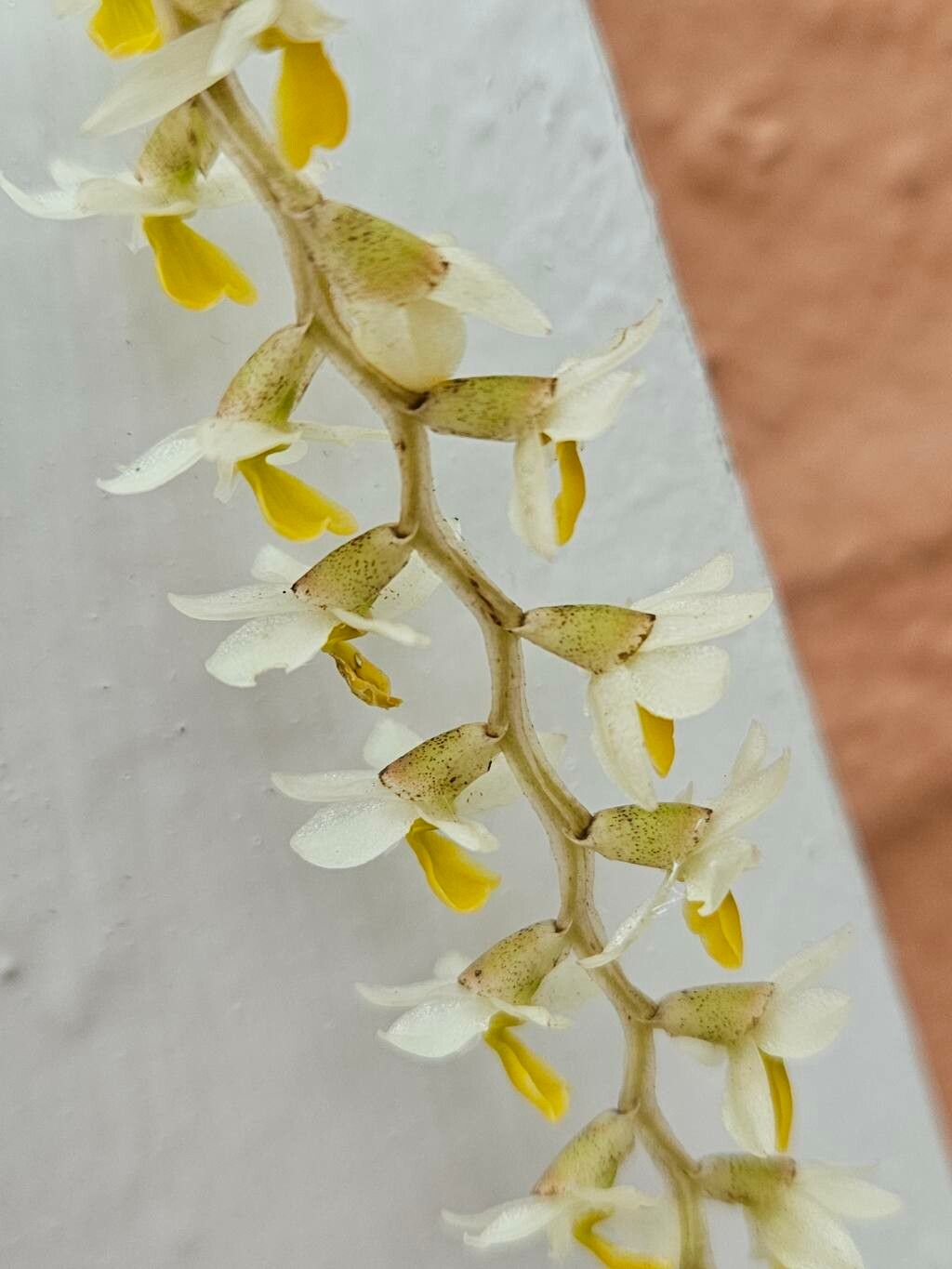
For orchid enthusiasts, the mesmerizing beauty of Coelogyne cobbiana is undeniable. Its elegant white blooms, cascading gracefully from the plant’s stems, make it a prized addition to any collection. But what if you could share this beauty, growing your own Coelogyne cobbiana from scratch?
This guide will demystify Coelogyne cobbiana propagation, providing an accessible framework for successfully multiplying these stunning orchids.
The Art of Dividing: A Simple Start
One of the easiest ways to propagate Coelogyne cobbiana is through division. Here’s how it works:
- Timing is Key: The best time to divide your Coelogyne cobbiana is during the spring or early summer, when the plant is actively growing.
- Careful Removal: Gently remove the plant from its pot and inspect the root system. Look for natural divisions where the pseudobulbs are clustered together.
- Division: Use a sharp, sanitized knife or scissors to separate the divisions, ensuring each section has at least three healthy pseudobulbs and some roots.
- Repotting Success: Pot each division in a well-draining orchid potting mix, ensuring the crown (where new growth emerges) sits just above the soil line.
- Patience & Care: Provide your newly divided plants with bright, indirect light, consistent humidity, and moderate watering.
The Magic of Seed Sowing: A Challenge for the Adventurous
For a truly rewarding experience, consider seed propagation. Although more challenging, it can be highly satisfying to witness the life cycle of these orchids unfold.
- Collecting Pollen: Carefully collect pollen from a mature Coelogyne cobbiana flower using a sterile swab.
- Pollination: Gently transfer the pollen onto the stigma of another flower on the same plant (self-pollination) or a different Coelogyne cobbiana plant (cross-pollination).
- Seed Pod Formation: If pollination is successful, a seed pod will develop, taking several months to mature.
- Sowing Seeds: Once the seed pod is ripe, carefully harvest the seeds. Orchid seeds are very fine and require sterile conditions for germination. A specialized orchid seed sowing mix is best.
- Patience is a Virtue: Seed germination can be unpredictable. Provide a warm, humid, sterile environment with bright, indirect light. Patience is key, as seedlings may take several months to emerge.
A Word About Tissue Culture: A Professional Touch
While not a beginner’s technique, tissue culture is a more sophisticated method used by professional growers to mass produce Coelogyne cobbiana plants. It involves cultivating plant cells in a sterile environment and then transferring them to a growth medium. This method is typically employed in labs and requires expertise in plant tissue culture.
Beyond the Basics: Key Considerations
- Sterilization: Using sterilized tools and working in a clean environment is crucial for preventing fungal or bacterial infections.
- Orchid Potting Mix: Select a well-draining, airy mix designed specifically for orchids, such as a blend of bark, perlite, and charcoal.
- Humidity: Coelogyne cobbiana thrives in high humidity. You can provide this through humidifiers, misting, or placing the plants on trays filled with pebbles and water.
- Temperature: These orchids prefer warm temperatures, between 70-80°F (21-27°C).
- Light: Coelogyne cobbiana needs bright, indirect light. Avoid direct sunlight, which can scorch the delicate leaves.
Grow Your Own Garden of Paradise: A Journey That Begins Today
Whether you choose division, seed propagation, or a specialized approach like tissue culture, the journey of propagating your own Coelogyne cobbiana is a fulfilling one. By understanding the basics and following these recommendations, you’ll be well on your way to a flourishing orchid collection, brimming with the exquisite beauty of these captivating plants.