
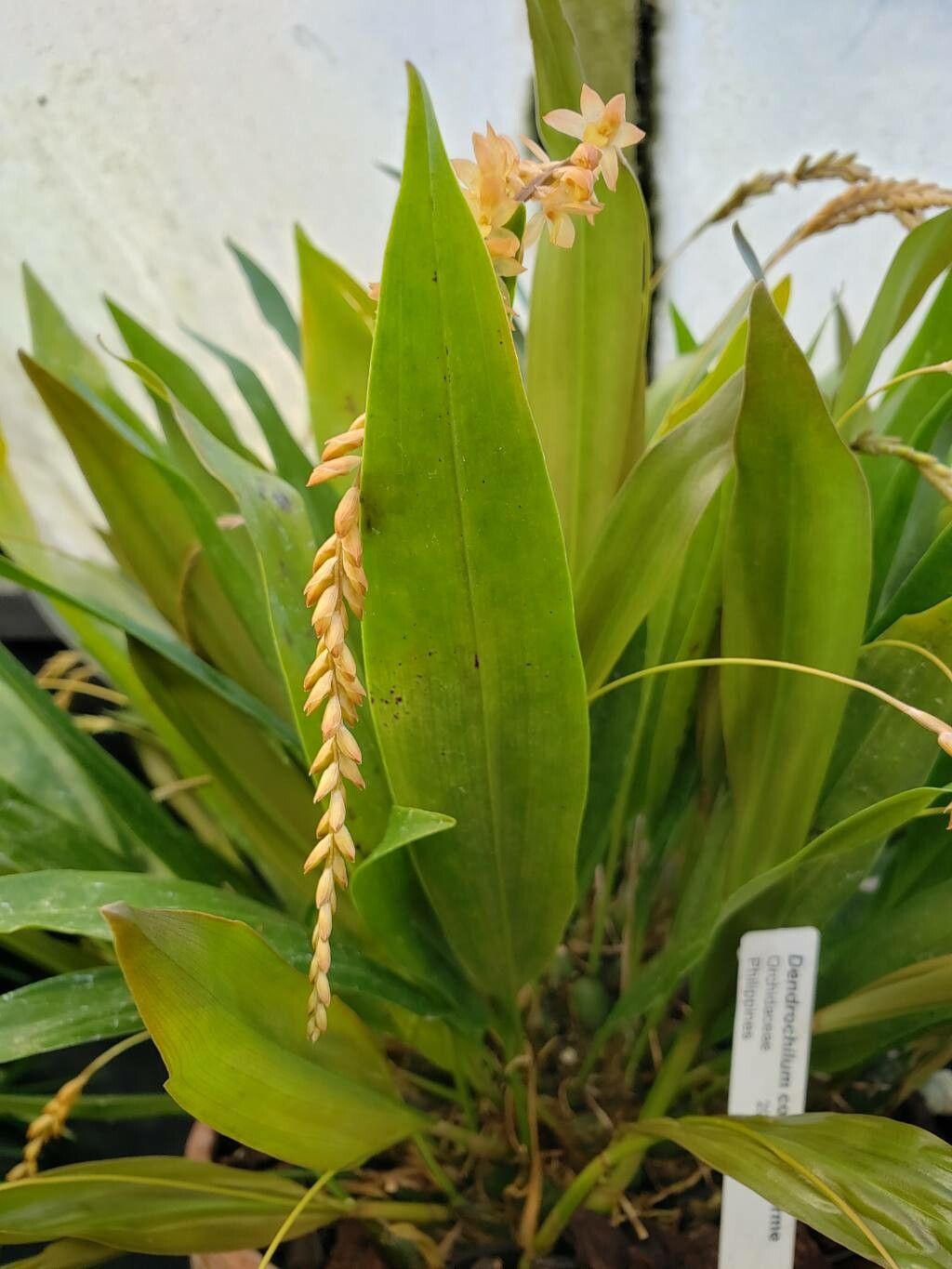
Unveiling the Secrets: How to Propagate the Dazzling Coelogyne convallariiformis
The Coelogyne convallariiformis, with its stunning white, bell-shaped flowers and delicate foliage, is a true gem in the world of orchids. While its beauty is undeniable, propagating this species can seem intimidating for beginner growers. But fear not! This guide will unravel the secrets of propagating Coelogyne convallariiformis, empowering you to expand your orchid collection with ease.
Understanding the Options
Unlike some orchids that can be propagated through seed, Coelogyne convallariiformis is best reproduced vegetatively, meaning we’ll be working with existing plant parts. The two primary methods are:
- Division: This involves carefully separating the plant into individual divisions, each containing a healthy root system and growth points. This method is most successful with established plants that have multiple growth points.
- Keiki: These are tiny plantlets that naturally form on the flower spike or even the stem of the parent plant. Once they develop roots, they can be carefully removed and potted individually.
The Art of Division
- Timing is Key: The best time for division is during the spring or early summer, when the plant is actively growing. Avoid dividing during dormancy or blooming.
- Prepare Your Tools: Sterilize your pruning shears or garden knife to prevent the spread of diseases.
- Gently Separate: Carefully inspect your plant for multiple growth points. Locate the rhizome, the horizontal stem from which the leaves and roots grow. Use your sanitized knife or shears to gently cut the rhizome into sections, ensuring each division has a healthy root system and at least one growth point.
- Potting Up: Prepare pots with a well-draining orchid potting mix. Plant the divisions, ensuring the rhizome is just above the soil line. Water thoroughly and keep the potting mix consistently moist, but not soggy.
Harnessing the Power of Keikis
- Patience is Virtue: Keikis are slow growers, sometimes taking months to develop roots. However, with patience, you’ll soon have new orchids.
- Encourage Keiki Development: Some growers recommend the use of keiki paste, a hormone-based product that encourages root formation.
- Detach and Repot: Once the keiki has grown a few roots, gently detach it from the parent plant. Pot it in a small pot with an orchid potting mix, maintaining consistent moisture levels.
Aftercare is Crucial
After propagating, your new Coelogyne convallariiformis will need optimal conditions to thrive.
- Light: Keep your new plants in bright, indirect light. Avoid direct sunlight, especially during the hottest hours of the day.
- Temperature: These orchids prefer temperatures between 65-80°F (°C), with a slight drop at night.
- Humidity: Aim for a humidity level of 60-70%. Use a humidifier if needed.
- Watering: Water thoroughly when the potting mix has dried slightly. Avoid overwatering, which can lead to root rot.
Propagation Success: A Journey of Patience
Remember, orchid propagation takes time and patience. Don’t be discouraged if you don’t see immediate results. With the right techniques and a little TLC, you can successfully grow new Coelogyne convallariiformis from your existing plants. Soon, you’ll be enjoying the exquisite beauty of these captivating orchids, sharing the joy with friends or even embarking on your own orchid growing adventure.