
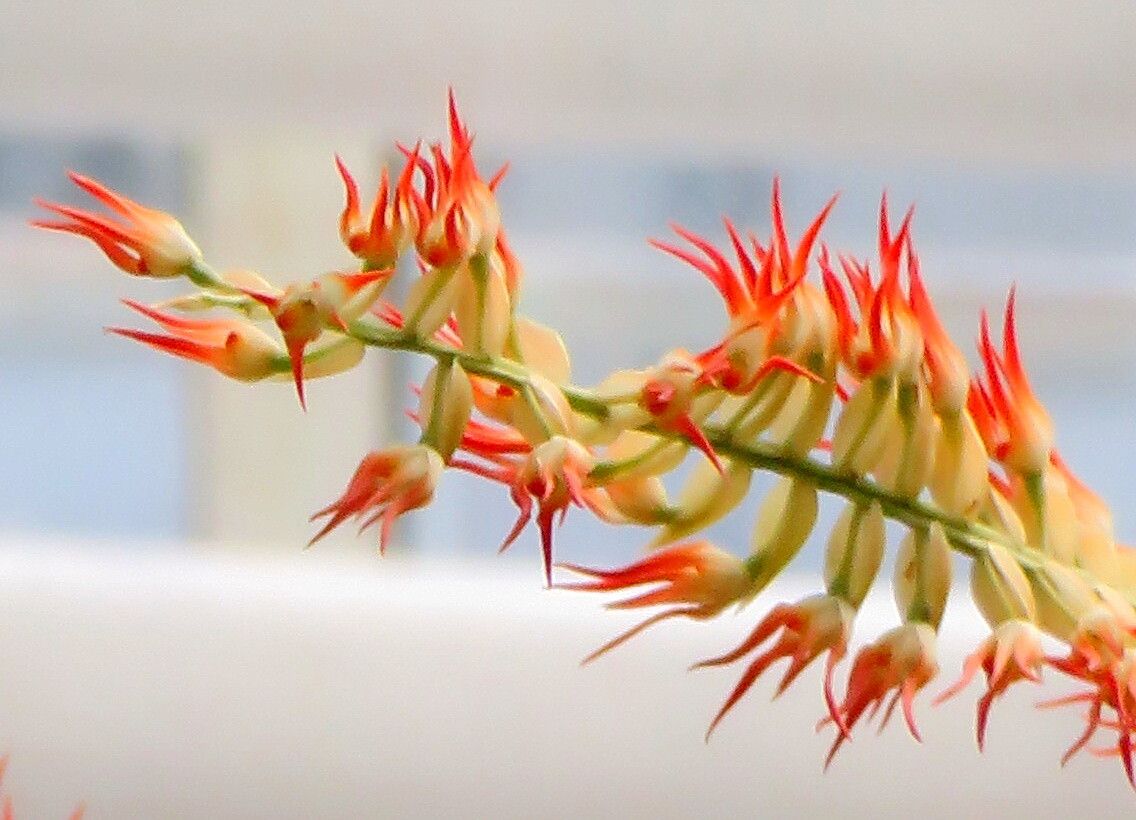
Propagating Coelogyne kopfii: A Gardener’s Guide
Introduction:
Coelogyne kopfii, sometimes called the Kopfii Coelogyne, is a captivating orchid species prized for its elegant, pendulous inflorescences bearing numerous fragrant, creamy-white flowers with a striking yellow lip. Its relatively compact size and prolific blooming make it a popular choice among orchid enthusiasts, even though it is not as widely available as some other orchid species. Propagating Coelogyne kopfii presents a rewarding challenge, demanding patience and specific techniques due to its relatively delicate nature. Unlike some readily propagated orchids, Coelogyne kopfii presents unique hurdles in certain propagation methods.
Seed Germination:
Currently, there are no known reliable methods for seed germination propagation of Coelogyne kopfii. Orchid seeds are notoriously tiny and require highly specialized symbiotic relationships with mycorrhizal fungi for successful germination. Reproducing this symbiotic environment in a home or even a professional laboratory setting for this specific species is extremely difficult, if not impossible, making seed germination a largely impractical method.
Cuttings:
Coelogyne kopfii propagation through stem cuttings is also unreliable. Unlike some orchids with robust stems, Coelogyne kopfii cuttings rarely root successfully. The risk of rot and the low success rate make this method unsuitable for most home growers.
Division:
Division remains the most practical method for propagating Coelogyne kopfii. This involves carefully separating established plants into smaller divisions, each containing several healthy pseudobulbs and roots.
Challenges: The delicate root system of Coelogyne kopfii makes division tricky. Rough handling can easily damage roots, leading to plant failure. The plant also doesn’t readily produce numerous pseudobulbs making division less frequent than some other orchids.
Practical Tips: Divide only mature plants with ample roots and pseudobulbs. Use a sharp, sterile knife or shears to make clean cuts. Repot each division into a well-draining medium suitable for orchids, ensuring the base of the pseudobulbs is slightly above the potting mix surface to prevent rot. Maintain high humidity and consistent watering until new growth is observed.
- Rewards: Division offers the most predictable success rate, preserving the parent plant’s genetic characteristics and allowing faster multiplication compared to other methods.
Tissue Culture:
Tissue culture is a viable but complex method.
Challenges: This technique requires specialized equipment, sterile laboratory conditions, and expertise in orchid tissue culture protocols. Developing a successful protocol specifically for Coelogyne kopfii could be a significant research undertaking.
Practical Tips: A professional laboratory specializing in orchid propagation would be necessary for successful tissue culture.
- Rewards: Tissue culture allows for large-scale propagation, preserving genetic uniformity, and producing disease-free plantlets.
Conclusion:
Propagating Coelogyne kopfii presents challenges primarily due to its less-robust nature compared to easily propagated orchids. While seed germination and cuttings are largely ineffective, division offers the most accessible method for home growers. Tissue culture presents a promising avenue for large-scale multiplication but requires specialized resources and expertise. The satisfaction of successfully propagating Coelogyne kopfii through division, overcoming the inherent difficulties, and nurturing new plants to flowering is immense. Patience, careful technique, and a deep understanding of the plant’s needs are crucial for achieving success. Do not be discouraged by initial setbacks—perseverance is key to cultivating and sharing the beauty of this remarkable orchid.