
Unveiling the Secrets of Coelogyne Tomentosa Propagation: A Guide to Multiplying Your Orchid
Coelogyne tomentosa, with its cascading chains of fragrant, creamy-yellow blooms, is a sight to behold. This stunning orchid, native to the cool, misty mountains of Southeast Asia, can be a captivating addition to any orchid enthusiast’s collection. But did you know that you can easily multiply your " Necklace Orchid" and share its beauty? Let’s delve into the rewarding world of Coelogyne tomentosa propagation.
Understanding the Basics
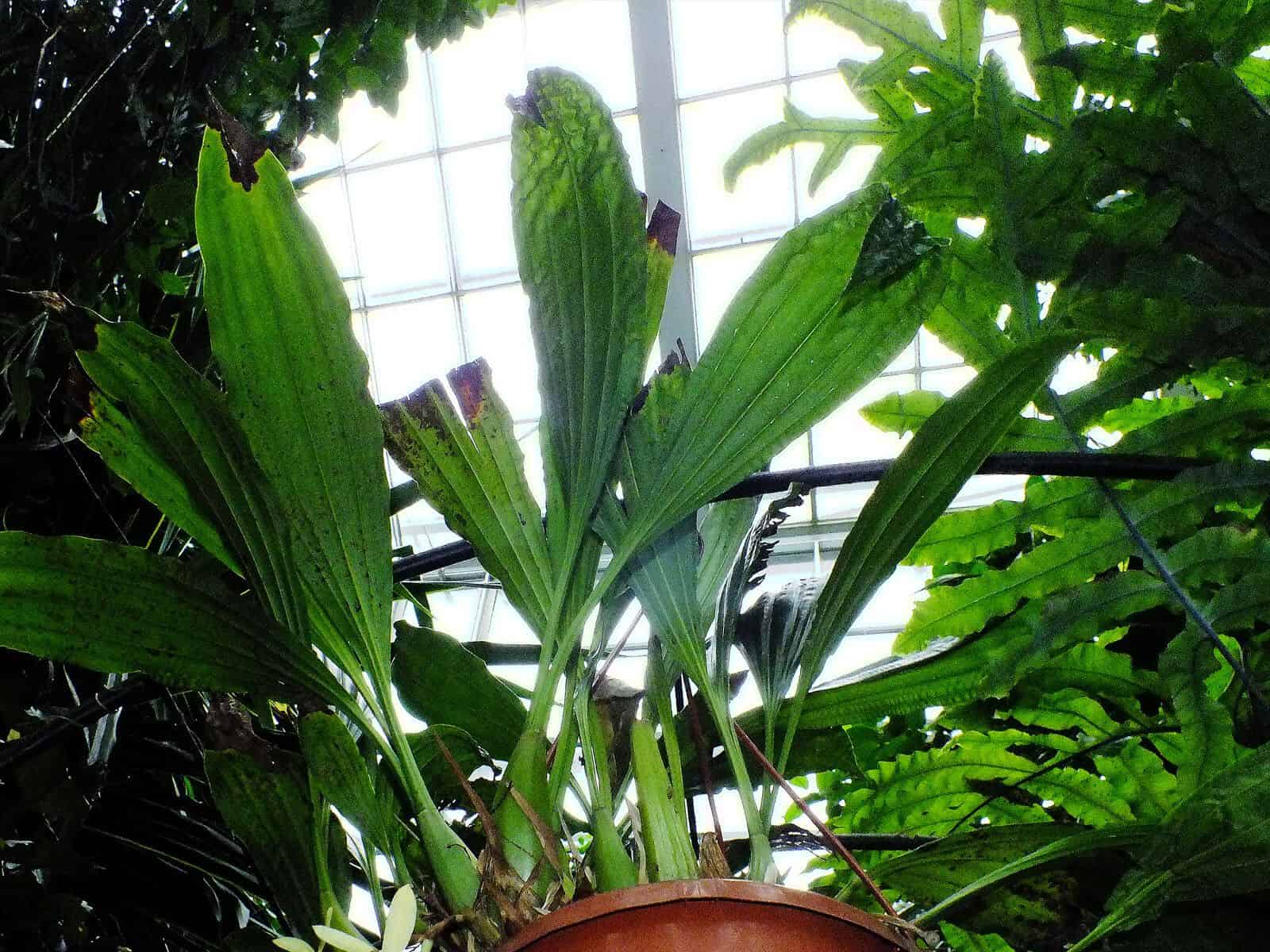
Before we jump into techniques, it’s important to understand the growth habit of Coelogyne tomentosa. It’s a sympodial orchid, meaning it grows horizontally and produces new shoots along its rhizome. Each shoot develops into a pseudobulb, a thickened stem that stores water and nutrients. This unique growth pattern provides us with two primary methods of propagation: division and back bulbs.
1. Division: The Most Common Approach
Division is the most straightforward and effective way to propagate Coelogyne tomentosa. This method involves separating a mature plant into sections, each containing at least 3-4 healthy pseudobulbs with active roots. Here’s how:
- Timing is Key: The best time for division is during spring, just as new growth begins.
- Tools of the Trade: You’ll need sterilized pruning shears or a sharp knife, new pots with drainage holes, and fresh orchid potting mix.
- The Process:
- Gently remove the plant from its pot and inspect the rhizome.
- Identify sections with at least 3-4 pseudobulbs.
- Using your sterilized tool, carefully cut through the rhizome, ensuring each division has healthy roots attached.
- Plant each division in a new pot with fresh potting mix, ensuring the base of the pseudobulbs is level with the soil surface.
- Water sparingly until new growth emerges.
2. Back Bulb Propagation: A Patient Approach
Back bulbs are older, often leafless pseudobulbs that can be encouraged to produce new growths. While this method requires more patience, it’s rewarding and can revive older Coelogyne tomentosa plants. Here’s the process:
- Identifying Suitable Back Bulbs: Choose firm, plump back bulbs free from disease or damage.
- Creating the Ideal Environment: Place the back bulbs in a humid environment with indirect light. A humidity tray or placing them in a plastic bag with moist sphagnum moss can be helpful.
- Patience is Key: It may take several weeks or even months for new growth to emerge.
- Potting Up: Once new roots and shoots appear, pot the back bulbs in a well-draining orchid mix.
Essential Tips for Success
- Sterilization is Crucial: Always sterilize your tools before and after handling orchids to prevent the spread of diseases.
- Optimal Potting Mix: Coelogyne tomentosa prefers a chunky, well-draining mix. A combination of bark chips, perlite, and sphagnum moss works well.
- Light and Humidity: Provide bright, indirect light and moderate to high humidity (60-80%).
- Watering Wisely: Water thoroughly when the potting mix approaches dryness. Avoid overwatering, which can lead to root rot.
Propagating your Coelogyne tomentosa is a fulfilling experience that allows you to expand your orchid collection and share the joy of these exquisite blooms. With a bit of care and patience, you can successfully propagate your "Necklace Orchid" and enjoy its beauty for years to come.