
Unlocking the Secrets to Propagating the Enchanting Cojoba Rufescens
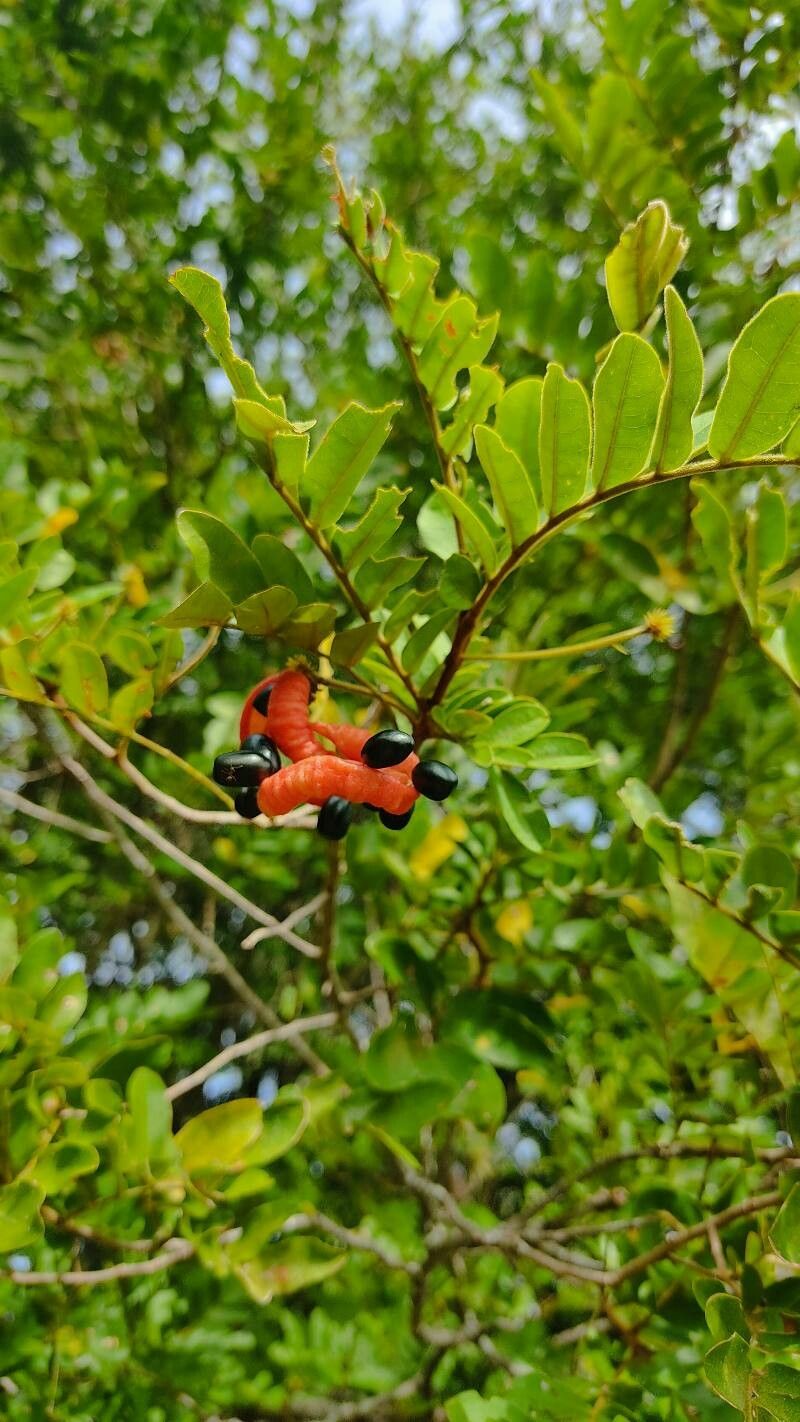
The Cojoba rufescens, with its delicate, fern-like foliage and graceful cascading growth, is a plant that captivates the eye. Its beauty is only heightened by its ability to thrive in a variety of conditions, making it an attractive choice for both seasoned gardeners and novices alike. But what if you want to share this beauty with others, or simply expand your own collection? The answer is propagation, and with the Cojoba rufescens, the journey is both simple and rewarding.
Methods of Propagation:
There are two primary methods for propagating the Cojoba rufescens: seed propagation and cutting propagation. Both have their advantages and drawbacks, allowing you to choose the method that aligns best with your goals and available resources.
Seed Propagation:
- Advantages: The most straightforward method, often resulting in a large number of new plants.
- Disadvantages: Seeds may be slow to germinate, and the resulting plants can sometimes differ slightly from the parent plant.
- Process: Collect mature pods from your Cojoba rufescens plant. Extract the seeds and allow them to dry completely. Sow them in a well-draining seed starting mix, keeping the soil consistently moist. Place the container in a warm, sunny location, and with patience, you’ll witness the emergence of tiny seedlings in a few weeks.
Cutting Propagation:
- Advantages: Creates a genetically identical clone of the parent plant, ensuring the same beautiful characteristics.
- Disadvantages: May require more effort and specialized supplies like rooting hormone.
- Process: Select a healthy, non-flowering stem tip with at least two nodes (points where leaves emerge). Make a clean cut below a node using a sharp knife or pruning shears. Remove the lower leaves from the cutting. Dip the cut end in rooting hormone and insert it into a small pot filled with a rooting medium like perlite or vermiculite. Keep the medium consistently moist and place the cutting in a warm, humid environment, like a humidity dome or plastic bag. With proper care, roots will develop in a few weeks.
A Few Tips for Success:
- Temperature: Both seed and cutting propagation thrive in consistently warm temperatures, ideally between 70-80°F.
- Light: Provide bright, indirect light to your seedlings and cuttings, avoiding direct sunlight which can scorch delicate leaves.
- Humidity: Maintain high humidity for cuttings, using a humidity dome or misting regularly.
Water: Keep the soil moist but not soggy, ensuring optimal hydration for both seedlings and cuttings.
Conclusion:
Propagating the Cojoba rufescens can be a rewarding experience, allowing you to spread its beauty and enjoy the satisfaction of nurturing new life. Whether you choose the simplicity of seed propagation or the accuracy of cutting propagation, the key to success lies in understanding the basics and providing the right conditions for your chosen method. So, embrace this opportunity to expand your green thumb and share the magic of the Cojoba rufescens with the world!