
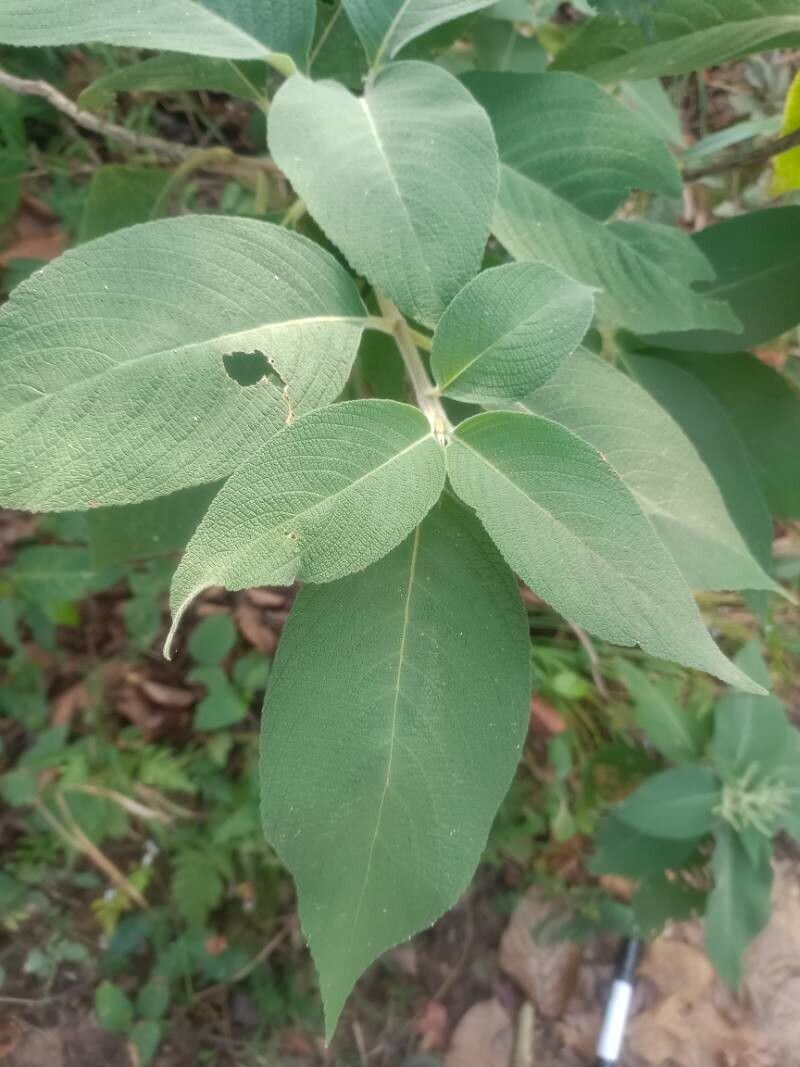
Taming the Wild Beauty: Propagating Colebrookea oppositifolia
Colebrookea oppositifolia, also known as Indian nettle or Doodia, is a captivating shrub native to the Himalayas. With its graceful, cascading branches adorned with fragrant white flowers and velvety leaves, it’s no wonder gardeners are eager to welcome this wild beauty into their landscapes. But how exactly do you propagate this somewhat lesser-known species? Fear not, curious gardeners! While information on Colebrookea oppositifolia propagation can be scarce, this guide will equip you with the knowledge to successfully grow this stunning shrub.
Two Paths to Propagation:
Colebrookea oppositifolia can be propagated through two main methods:
1. Seed Propagation:
- Collecting Seeds: In late autumn, Colebrookea oppositifolia produces small, inconspicuous fruits containing the seeds. Collect these fruits once they turn brown and dry. Carefully extract the seeds, separating them from any remaining fruit pulp.
- Sowing the Seeds: Sow the seeds in a well-draining seed starting mix during late winter or early spring. Sprinkle the seeds onto the surface and lightly press them in, ensuring they’re not buried too deep. Mist the soil and keep it consistently moist but not soggy.
- Providing Optimal Conditions: Place the seed tray in a warm, bright location but out of direct sunlight. Germination usually occurs within a few weeks.
- Transplanting Seedlings: Once the seedlings develop a few sets of true leaves, they can be transplanted into individual pots or directly into the ground, preferably after the last frost.
2. Propagation from Cuttings:
- Taking Cuttings: During the growing season (spring to early summer), take softwood cuttings from healthy, non-flowering stems. Each cutting should be approximately 4-6 inches long.
- Preparing the Cuttings: Remove the lower leaves from the cutting, leaving 2-3 leaves at the top. Dip the cut end in rooting hormone powder to encourage root development.
- Planting the Cuttings: Plant the cuttings in a pot filled with a well-draining potting mix. Make a hole with a pencil or your finger and gently insert the cutting, ensuring the leaf nodes are submerged.
- Creating a Humid Environment: Water the cuttings well and cover the pot with a clear plastic bag or humidity dome to retain moisture and create a mini-greenhouse effect.
- Monitoring Root Development: Place the pot in a warm, bright location, out of direct sunlight. Check the cuttings periodically for root development and ensure the soil remains consistently moist.
- Transplanting Rooted Cuttings: Once the cuttings have developed a healthy root system (usually within a few weeks), they can be transplanted into individual pots or directly into the garden.
Caring for Your Colebrookea Oppositifolia:
Whether you choose seed propagation or cuttings, Colebrookea oppositifolia thrives in well-drained soil and prefers a location with partial shade to full sun. Water regularly, especially during dry periods, and fertilize in spring with a balanced fertilizer. Pruning can help maintain the shrub’s shape and encourage bushier growth.
With a little patience and care, you can successfully propagate and enjoy the captivating beauty of Colebrookea oppositifolia in your own garden. So why wait? Embrace the adventure of propagation and let this enchanting shrub bring a touch of the Himalayas to your outdoor space.