
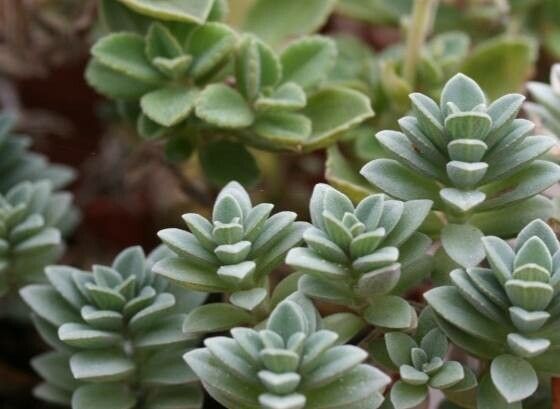
Propagating Coleus argentifolius: Unveiling the Secrets of the Silver Coleus
Introduction:
Coleus argentifolius, commonly known as the Silver Coleus or Kong Coleus, is a striking ornamental plant prized for its large, velvety, silver-grey leaves. Unlike many brightly colored Coleus varieties, its muted tones lend a sophisticated elegance to gardens and containers. Its popularity stems from its relatively low maintenance requirements and its ability to thrive in both sunny and partially shaded conditions. However, propagating Silver Coleus can be more challenging than some other Coleus species, requiring a careful approach. Its unique characteristics, including its slower growth rate compared to other Coleus varieties, impact propagation methods.
Seed Germination:
Currently, there are no known reliable methods for seed germination propagation of Coleus argentifolius. While some Coleus species readily propagate from seed, this method has proven unreliable for the Silver Coleus. This is likely due to factors influencing seed viability and germination rates specific to this cultivar.
Cuttings:
Cuttings represent the most successful and commonly used method for propagating Coleus argentifolius.
Challenges: Rooting can be slower compared to other Coleus species. Overwatering can easily lead to rot before root development.
Practical Tips: Take stem cuttings approximately 4-6 inches long, ensuring each cutting includes at least two nodes. Remove lower leaves to prevent rotting. Dip the cut ends in rooting hormone for optimal results. Plant the cuttings in a well-draining propagation mix (e.g., perlite and vermiculite mix) and maintain high humidity, ideally using a propagation dome or plastic bag. Keep the mix consistently moist, but not soggy. Place the cuttings in bright, indirect light. Rooting typically takes 3-6 weeks.
Rewards: This method offers high success rates, producing genetically identical plants to the parent plant, preserving its desirable characteristics. It’s relatively straightforward and accessible to home gardeners.
Division:
Division is a viable propagation method, particularly for established, larger plants.
Challenges: Care must be taken to ensure each division has a healthy root system to maximize survival chances. Disturbing a large rootball can stress the plant.
Practical Tips: Divide the plant during its active growing season (spring or early summer). Gently separate the rootball into smaller sections, each containing sufficient roots and stems. Replant each division into individual pots with fresh, well-draining potting mix. Water thoroughly after planting.
Rewards: This method is relatively quick and allows for the propagation of multiple plants from a single mature specimen.
Tissue Culture:
Tissue culture propagation is a viable, albeit more complex, method for Coleus argentifolius.
Challenges: This method requires specialized equipment, sterile conditions, and a knowledge of plant tissue culture techniques. It is typically more expensive and time-consuming than other methods.
Practical Tips: Sterile techniques are crucial to prevent contamination. Explant selection is critical to ensure healthy growth. The use of plant growth regulators is often necessary to promote shoot and root development.
Rewards: This method allows for large-scale production of genetically identical plants and allows for disease-free plantlets. It’s ideal for commercial propagation or for the propagation of rare varieties.
Conclusion:
Propagating Coleus argentifolius presents unique challenges compared to other Coleus species, particularly concerning seed germination. Cuttings offer the most accessible and reliable method for home growers, while division is suitable for established plants. Tissue culture provides a high-output method but requires specialized expertise. The rewards, however, are well worth the effort. Successfully propagating this striking plant brings a profound sense of accomplishment, born from overcoming the challenges and witnessing the slow, yet rewarding growth of these beautiful silver leaves. Don’t let the initial hurdles discourage you; persevere, and the satisfaction of nurturing a new generation of Silver Coleus will be immensely rewarding.