Propagating Coleus forsteri: A Guide to Cultivating the Kong Coleus
Introduction:
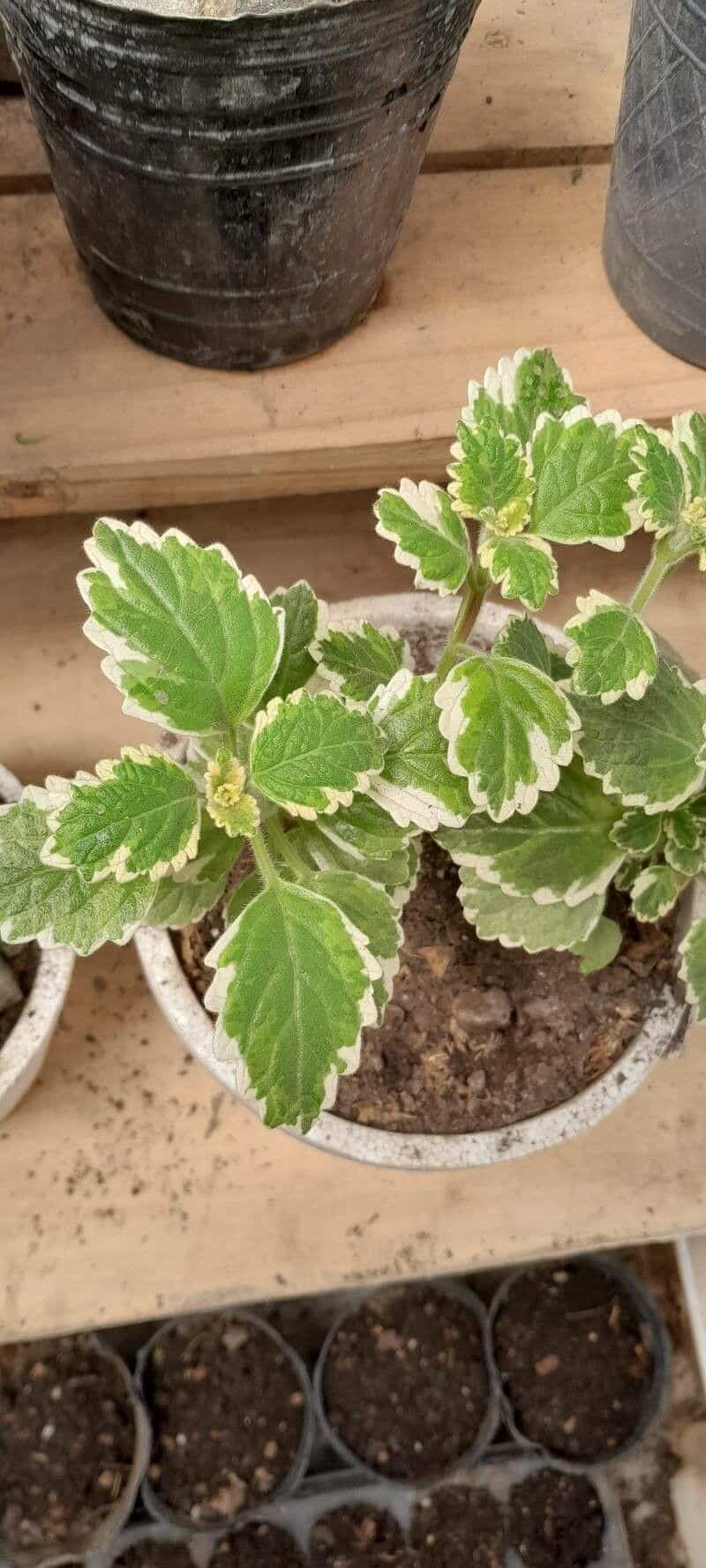
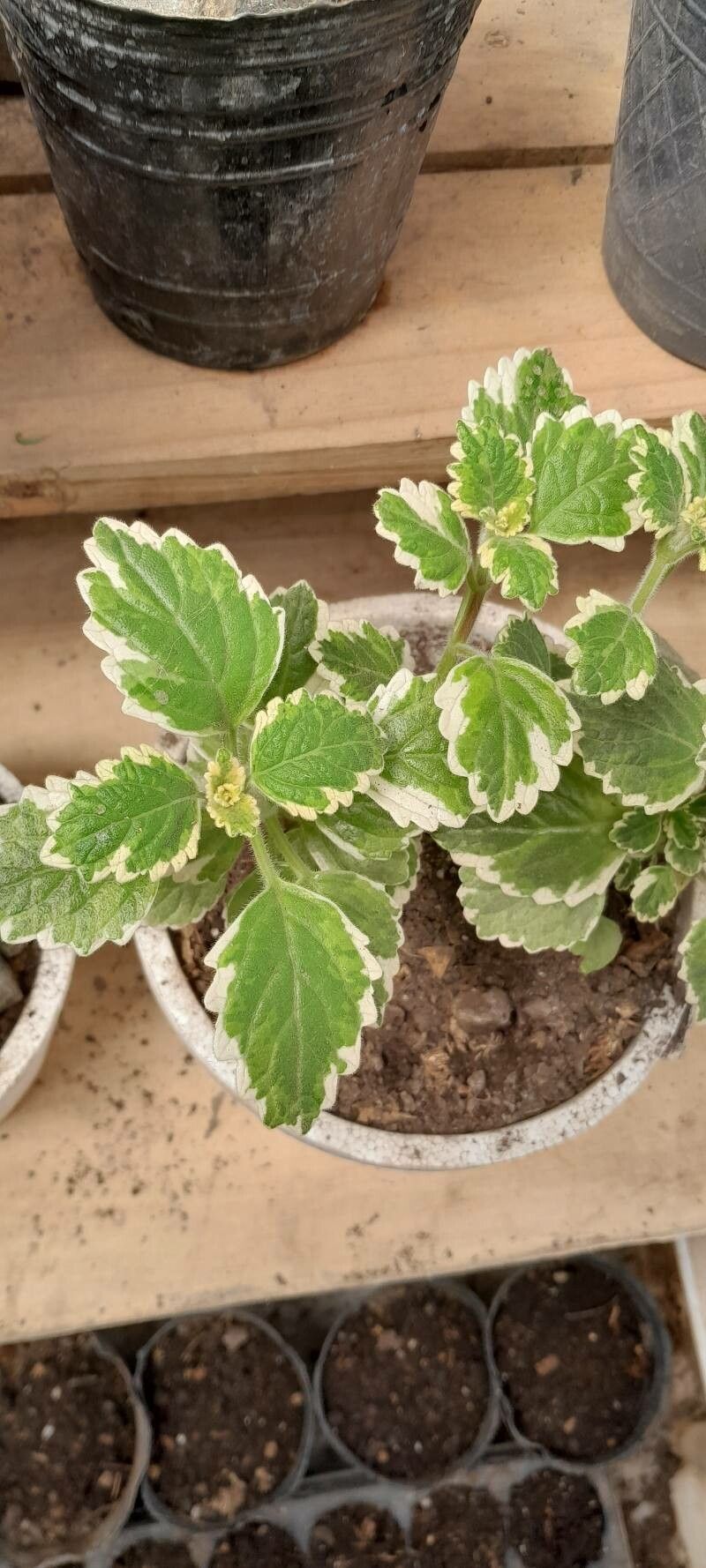
Coleus forsteri, commonly known as Kong Coleus, is a striking plant prized for its exceptionally large, deeply veined leaves showcasing vibrant color combinations. These striking foliage plants, often displaying shades of deep purple, emerald green, and even hints of chartreuse, have earned them a significant place in modern gardens and container arrangements. Their impressive size and bold colors make them focal points in landscapes, adding a unique textural and visual element. While readily available commercially, propagating Coleus forsteri presents unique challenges and rewards, making the process all the more fulfilling for the dedicated gardener.
Seed Germination:
Currently, there are no known reliable methods for seed germination propagation of Coleus forsteri. While some Coleus species readily reproduce via seed, the Kong Coleus is largely sterile, or produces very few viable seeds, making seed propagation impractical.
Cuttings:
1. Challenges: Cuttings are the most reliable method for propagating Coleus forsteri. However, success depends on taking healthy cuttings and providing optimal conditions for rooting. The larger leaves can sometimes lead to increased water loss before rooting takes place, making proper humidity control crucial.
2. Practical Tips: Take stem cuttings of approximately 4-6 inches long, ideally with at least two sets of mature leaves. Remove the lower leaves to prevent rot and dip the cut end in rooting hormone powder. Plant the cuttings into a well-draining, moist propagation mix (e.g., a mix of perlite and peat moss). Cover the cuttings with a clear plastic bag or dome to maintain high humidity. Place in a location with bright, indirect light and keep the soil consistently moist but not waterlogged. Rooting typically takes 2-4 weeks.
3. Rewards: Cuttings offer a relatively straightforward method, allowing rapid propagation of desirable cultivars. It preserves the specific genetic characteristics of the mother plant, ensuring clones with identical leaf color and size.
Division:
1. Challenges: Division is possible only for established, large plants. Carefully separating the roots without damaging the plant is crucial. If not done properly it can result in stunted growth or plant death.
2. Practical Tips: Divide the plant during the growing season. Gently remove the plant from its pot and carefully separate the root ball into smaller sections, each containing healthy stems and roots. Replant each division into its own pot filled with fresh potting mix. Water thoroughly and keep in a sheltered location until re-established.
3. Rewards: Division allows for the multiplication of a single plant into several, effectively increasing your stock relatively quickly, while conserving the plant’s genotype.
Tissue Culture:
1. Challenges: Tissue culture is a more complex, laboratory-based method requiring specialized equipment and sterile conditions. It is not a technique readily accessible to the average home gardener.
2. Practical Tips: Successfully propagating Coleus forsteri via tissue culture involves sterilizing plant material, placing it on a nutrient agar, maintaining a sterile environment, and subculturing until plantlets develop. This requires significant training and resources, and falls outside the scope of home propagation.
3. Rewards: Tissue culture offers the potential for rapid and large-scale propagation of disease-free plants. This approach is crucial for commercial propagation and conservation efforts.
Conclusion:
Propagating Coleus forsteri presents distinct challenges depending on the chosen method. Seed propagation is effectively impossible, while division works best for already mature plants. Cuttings remain the most practical and successful method for the home gardener. Tissue culture offers a high-volume and potentially sterile propagation option, but demands specialized expertise and equipment.
The satisfaction of successfully propagating this striking cultivar lies in overcoming the challenges involved. The vibrant colors and large leaves of the resulting plants serve as a testament to the grower’s dedication. While cuttings represent the most accessible route, experimenting with division on mature plants is a worthwhile endeavor for those with experience. Remember to maintain consistently moist but well-drained soil and provide bright, indirect light for optimal results. With patience and attention to detail, the reward of cultivating your own magnificent Kong Coleus is well worth the effort.