
Propagating Colubrina asiatica: A Gardener’s Guide to the Asian Coral Tree
Introduction
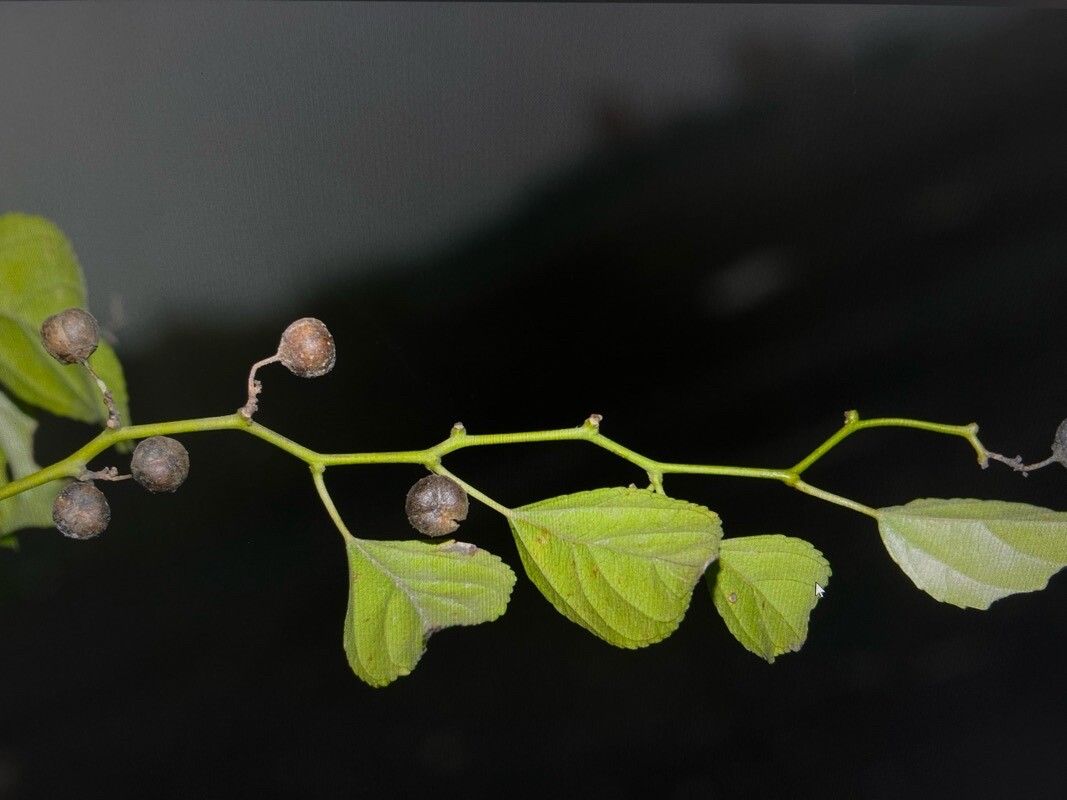
Colubrina asiatica, commonly known as Asian coral tree or Singapore rhubarb, is a fast-growing, multi-stemmed shrub or small tree prized for its attractive foliage and potential for erosion control. Its glossy, dark green leaves and clusters of small, white flowers make it a desirable addition to many gardens, particularly in tropical and subtropical climates. While relatively easy to establish once grown, propagation can present some challenges. Its popularity among gardeners stems from its hardiness and adaptability, making it worthy of attention despite these challenges. This article explores various propagation methods for Colubrina asiatica, weighing their efficacy and potential difficulties.
Seed Germination
Seed germination for Colubrina asiatica is possible, but it’s far from straightforward. The seeds possess a hard seed coat, which often inhibits germination. This necessitates pre-treatment before sowing.
Challenges: Dormancy imposed by the hard seed coat, slow and uneven germination rates.
Practical Tips: Scarification (nicking the seed coat with a file or sandpaper) or soaking in warm water for 24-48 hours can improve germination rates. Sowing should ideally be done in a well-draining seed starting mix, kept moist but not waterlogged. Maintaining a warm temperature (around 25-30°C) is also crucial. Germination can take several weeks or even months.
Rewards: Seed propagation offers the advantage of genetic diversity, leading to a wider range of plant variations. It’s also potentially the most cost-effective method for large-scale propagation.
Cuttings
Propagating Colubrina asiatica from cuttings is a more consistently successful method than seed germination.
Challenges: While relatively easy, success rates depend on the quality of the cuttings, the environmental conditions, and the application of rooting hormone.
Practical Tips: Semi-hardwood cuttings (taken from new growth that has partially matured) are generally recommended. The cuttings should be about 10-15 cm long with several leaves at the top. Dip the cut ends in rooting hormone before planting them in a well-draining propagation mix. High humidity and warm temperatures are crucial for successful root development. Using a propagation chamber or covering the cuttings with a plastic bag helps maintain humidity.
Rewards: Cuttings produce genetically identical plants to the parent, preserving desirable traits. This method is relatively quick and efficient compared to seed germination.
Division
Division is seldom used to propagate Colubrina asiatica because it is not naturally clump-forming. Therefore this method is impractical.
Tissue Culture
Tissue culture propagation of Colubrina asiatica is theoretically possible but is generally not performed except in specialized research or commercial propagation settings due to the cost and specialized equipment involved.
Challenges: Requires specialized laboratory facilities, equipment, and expertise. Sterile techniques are paramount to avoid contamination.
Rewards: Tissue culture allows for rapid and large-scale propagation of disease-free plants, potentially leading to superior quality plants at a large scale.
Conclusion
Propagating Colubrina asiatica presents specific challenges, with seed germination being the least reliable method due to seed dormancy issues, whilst division is largely impractical. Cuttings offer a relatively straightforward approach for the home gardener, providing a higher success rate and quicker results. Tissue culture, although highly effective, is a specialized process best left to professionals. The reward for successful propagation, whether through cuttings or seeds, is the satisfaction of cultivating this attractive and useful plant. The patience and attention required emphasize the unique fulfillment that accompanies the nurturing and growth of a plant from a cutting or seed. Don’t be disheartened by initial setbacks – persistence and the right techniques will yield rewarding results with this resilient species. Experiment with different methods, and enjoy the journey of bringing this interesting plant to your garden.