
Unlocking the Secrets of Columnea Consanguinea Propagation: A Step-by-Stem Guide
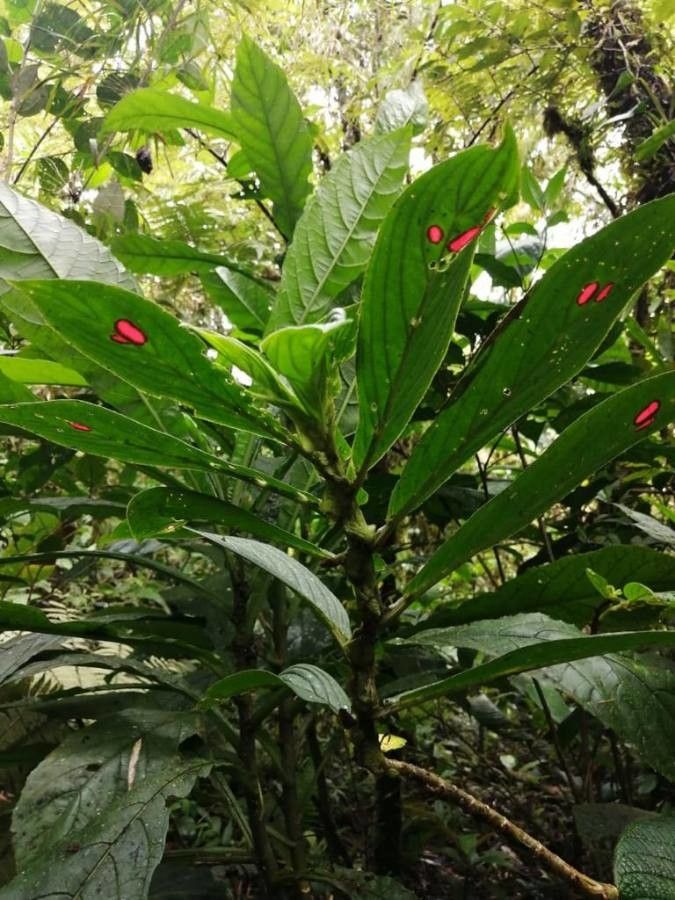
The captivating Columnea consanguinea, with its fiery orange, red, or yellow blooms resembling tiny goldfish leaping from lush foliage, is a sight to behold. This tropical epiphyte, also known as the “Goldfish Plant” or “Flying Goldfish Plant,” brings a vibrant splash of the exotic into homes and gardens alike. While admiring its beauty is a delight, learning to propagate this stunning plant unlocks a world of possibilities for expanding your collection and sharing its charm.
While Columnea consanguinea propagation might sound intimidating, it’s actually quite straightforward with a little knowledge and patience. Let’s dive into the two most common methods:
1. Stem Cuttings: The Go-To Method
Propagating Columnea consanguinea through stem cuttings boasts a high success rate and is the preferred method for most plant enthusiasts. Here’s how you can do it:
- Timing is Key: Spring and early summer, when the plant is actively growing, offer the ideal conditions for successful propagation.
- Choose Your Cuttings Wisely: Look for healthy, non-flowering stems that are about 4-6 inches long. Using clean, sharp scissors or pruning shears, make a cut just below a leaf node (the slightly swollen area where a leaf emerges).
- Prepare the Cuttings: Remove the lower leaves from the cutting, leaving 2-3 pairs at the top. This minimizes water loss and encourages root development.
- Rooting Hormone (Optional): While not mandatory, dipping the cut end in rooting hormone powder can encourage faster and stronger root growth.
- Planting Medium: A well-draining, airy mix is crucial. You can use a combination of peat moss, perlite, and vermiculite, or opt for a pre-mixed seed starting mix.
- Pot and Plant: Choose small pots with drainage holes and plant the cuttings about an inch deep, ensuring the leaf nodes are buried. Water the cuttings gently.
- Creating a Humid Environment: Humidity is vital for successful rooting. Cover the pots with a clear plastic bag or place them in a propagator to maintain high humidity.
- Light and Warmth: Place the cuttings in a warm, brightly lit location, but avoid direct sunlight that can scorch the delicate new growth.
- Patience is Key: It typically takes 4-6 weeks for roots to develop. Check for root growth by gently tugging on the cuttings.
- Transplanting: Once the roots are established, you can transplant the cuttings into individual pots filled with well-draining potting mix.
2. Layering: An Alternative Approach
Layering presents another exciting, albeit less common, way to propagate Columnea consanguinea:
- Select a Stem: Choose a healthy, flexible stem that can easily reach the soil surface.
- Prepare the Stem: Gently wound the stem by making a small, upward-facing cut about halfway through its thickness. You can apply rooting hormone to the wound to encourage faster root development.
- Bury the Wound: Bend the wounded portion of the stem down and bury it in a nearby pot filled with moist potting mix. Secure it in place with a small stake or rock.
Patience and Separation: Keep the soil consistently moist. In a few weeks, roots should develop from the wounded area. Once the layered stem has established a good root system, carefully sever it from the mother plant and pot it up as a new individual.
A Few Final Tips for Success:
- Be patient and don’t get discouraged if some cuttings fail.
- Ensure consistent moisture, but avoid overwatering, which can lead to root rot.
- Gradually acclimate new plants to less humid conditions to prevent shock.
Propagating your Columnea consanguinea not only allows you to multiply your plant collection but also provides a rewarding experience of nurturing new life. With these simple steps and some TLC, you’ll be well on your way to enjoying even more of these stunning “Flying Goldfish” plants. Happy propagating!