
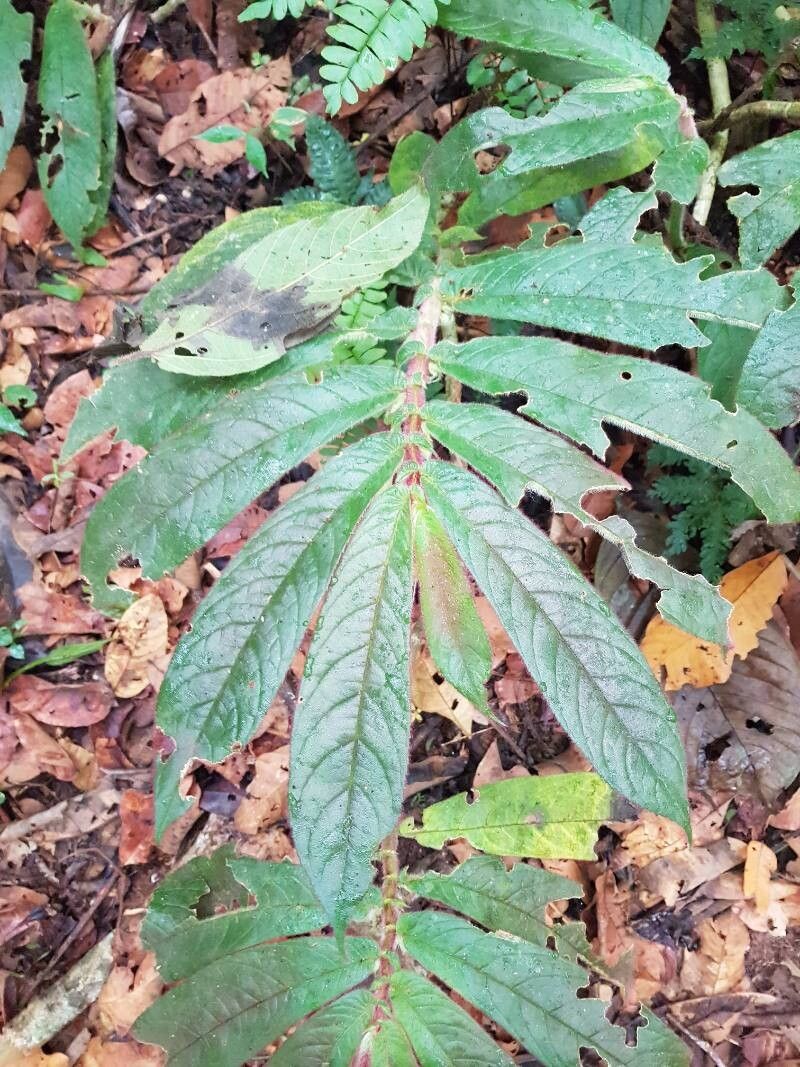
Unleash a Waterfall of Blooms: Propagating Columnea Polyantha, the “Goldfish Plant”
The Columnea polyantha, affectionately nicknamed the “Goldfish Plant” for its whimsical, fish-shaped flowers, is a truly captivating houseplant. Its cascading stems adorned with vibrant foliage and dazzling blooms infuse any space with a touch of tropical charm. But imagine the joy of sharing this beauty with friends or expanding your own collection – the good news is, propagating Columnea polyantha is surprisingly simple!
This guide will walk you through the process, from choosing the right cuttings to nurturing them into flourishing new plants.
1. The Art of Taking Cuttings
The best time to propagate Columnea polyantha is during the spring and summer months when the plant is actively growing. Here’s how to get started:
- Select a healthy stem: Choose a non-flowering stem with at least 2-3 nodes (the small bumps where leaves grow). Ideally, pick a stem that’s about 4-6 inches long.
- Make a clean cut: Using a sharp knife or pruning shears, make a clean cut just below a node. This encourages root development.
- Remove lower leaves: Remove the leaves from the bottom inch or two of the cutting to prevent rot.
2. Prepping for Success
Before you get your cuttings ready for planting, consider these crucial steps:
- Choosing your rooting medium: A well-draining mix is essential, like a combination of perlite and vermiculite, or a standard seed-starting mix.
- Container choice: Choose pots with drainage holes. Small pots, about 2-3 inches in diameter, work well initially.
- Create a humid environment: A plastic dome or propagation tray helps maintain a high humidity level, essential for optimal root growth.
3. Planting Your Cuttings
With everything prepared, it’s time to plant your cuttings:
- Moisten the rooting medium: Ensure it’s moist but not soggy.
- Make a small hole: Use a pencil or your finger to create a hole in the rooting medium, deep enough to accommodate the cutting.
- Insert the cutting: Gently insert the cutting into the hole, ensuring the nodes are below the surface.
- Firmly pack the medium: Gently tamp the medium around the stem for stability.
- Water generously: Give the planted cuttings a good watering to settle the roots.
4. Nurturing Your New Plants
The final stage involves providing the perfect environment for your cuttings to develop roots:
- Light: Place the cuttings in a bright, indirect light area. Avoid direct sunlight, which can scorch delicate leaves.
- Moisture: Keep the rooting medium consistently moist, checking regularly and watering as needed.
- Temperature: Columnea polyantha thrive in warm temperatures between 65-75°F.
- Patience: It can take anywhere from 4 to 8 weeks for roots to develop. Be patient and observe the cuttings for signs of new growth.
5. Transitioning to Independence
Once the cuttings have developed healthy roots, typically indicated by new growth, you can transplant them into individual pots with well-draining potting mix. Treat the new plants like established Columnea polyantha, ensuring adequate light, consistent watering, and occasional fertilization.
Enjoy the Bounty
Propagating your Columnea polyantha offers a fulfilling gardening experience. It’s like watching tiny seedlings transform into vibrant, blossoming plants, a testament to your care and dedication. Sharing these beautiful plants with others or adding them to your own collection will bring immeasurable joy, creating a truly rewarding journey for plant enthusiasts of all levels.