
Unlocking the Secrets: Propagating the Elusive Comandra umbellata
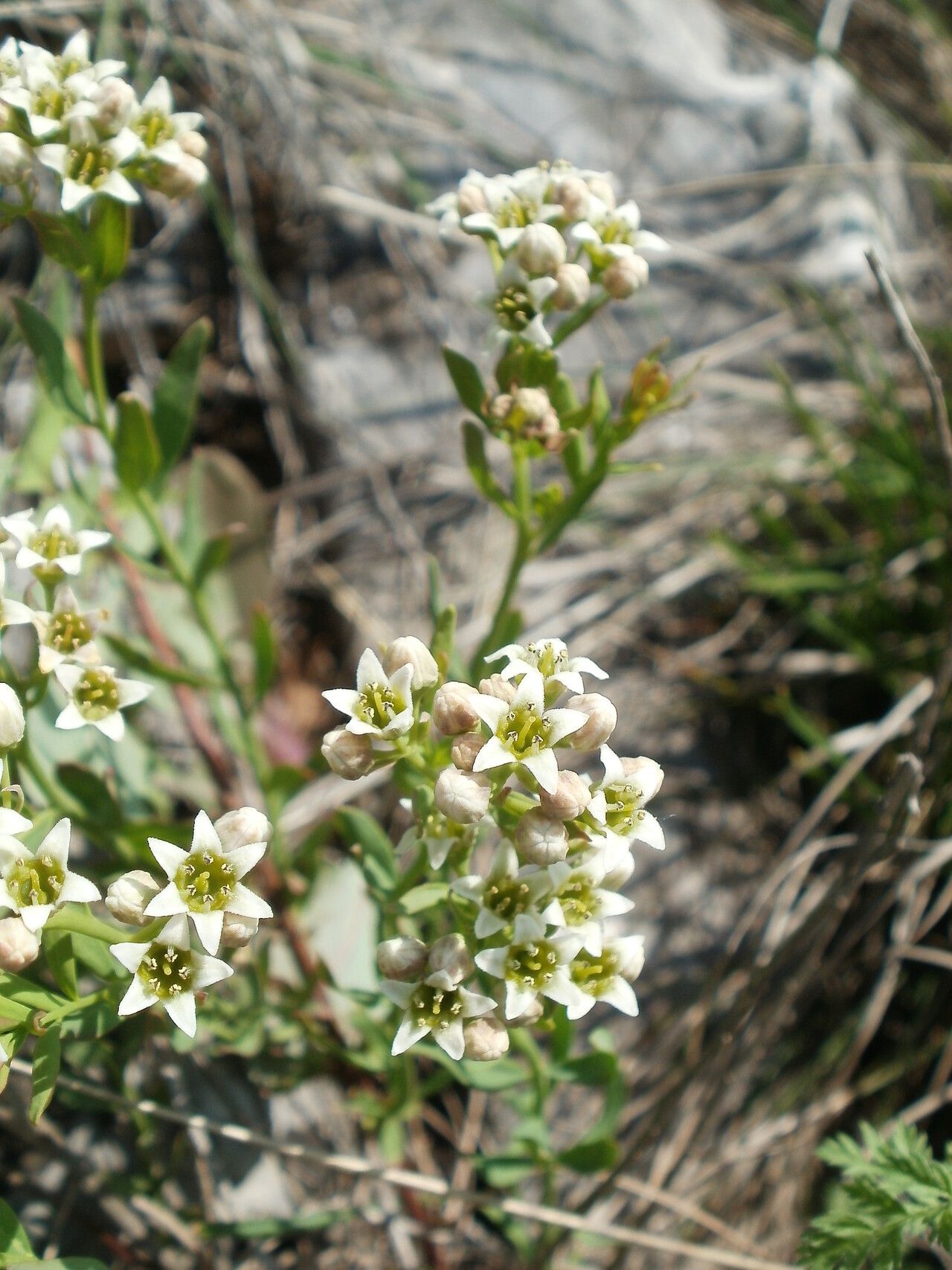
The world of plants is full of captivating mysteries, and the propagation of certain species can often feel like cracking a secret code. Comandra umbellata, also known as Bastard Toadflax, is one such intriguing plant. Don’t let the unflattering common name mislead you – this North American native boasts delicate, bell-shaped flowers and plays a crucial role in its ecosystem. However, propagating Comandra umbellata is not for the faint of heart. It requires patience, understanding, and a touch of botanical finesse.
Before diving into methods, it’s essential to understand this fascinating plant. Comandra umbellata is a hemiparasitic plant, meaning it obtains some of its nutrients by attaching its roots to host plants. This parasitic nature is essential for its survival and adds a layer of complexity to its propagation.
Seeds: A Test of Patience and Timing:
Propagating Comandra umbellata from seed is possible, but it requires a deep understanding of its lifecycle.
- Collection and Storage: Seeds should be collected in late summer when the fruits ripen. Store them in a cool, dry place until ready for planting.
- Stratification: Cold stratification is crucial. This involves mimicking winter conditions by placing the seeds in a damp medium like vermiculite and refrigerating them for 60-90 days. This process breaks down the seed coat and prepares them for germination.
- Sowing: Sow the stratified seeds in a well-draining seed-starting mix and keep them consistently moist. Be warned, germination can be erratic and may take several weeks to months.
- Host Plants: Here’s where the challenge lies. Comandra umbellata seedlings need to establish a connection with a host plant to survive. Introduce the seedlings to compatible hosts early on by planting them in close proximity. Suitable hosts include native grasses, legumes, and even some woody shrubs.
Root Cuttings: A Faster, but Equally Tricky Method:
Propagating from root cuttings can be slightly faster, but success is still not guaranteed.
- Timing: Take root cuttings in early spring when the plant is dormant.
- Selection: Choose healthy, mature roots for cuttings.
- Preparation: Cut the roots into sections about 2-3 inches long and dust the ends with rooting hormone to encourage growth.
- Planting: Plant the cuttings horizontally in a well-draining medium, ensuring the top of the cutting is just below the soil surface.
- Host Plants: Similar to seedlings, provide host plants for the root cuttings to attach to.
Challenges and Considerations:
Propagating Comandra umbellata is undoubtedly challenging, even for experienced gardeners. Its hemiparasitic nature demands a deeper understanding of plant interactions. Here are some key points to remember:
- Suitable Host Plants: Research and provide compatible host plants crucial for the survival of Comandra umbellata.
- Patience is Key: The germination and rooting processes are slow and unpredictable. Don’t be discouraged by initial setbacks.
- Ethical Considerations: Consider the ecological impact before planting Comandra umbellata outside its native range.
Propagating Comandra umbellata is a rewarding experience for plant enthusiasts seeking a unique challenge. With patience, knowledge, and a bit of luck, you can unlock the secrets of this fascinating plant and contribute to its conservation. Remember, successful propagation not only expands your gardening repertoire but also deepens your connection with the intricate web of life in our ecosystems.